

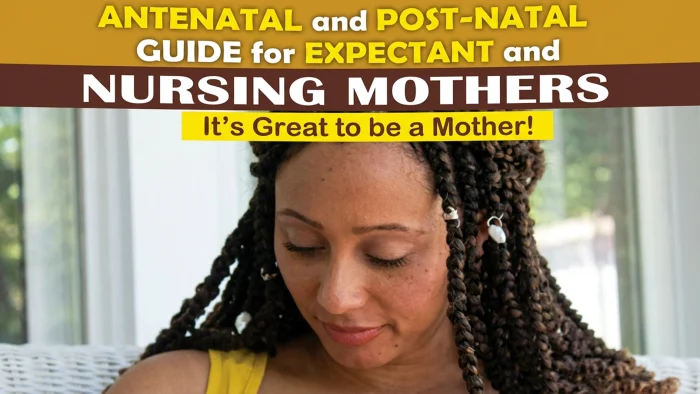
Maternal and infant health is one of the critical challenges of Nigeria’s public health system. With UNICEF data highlighting that Nigeria accounts for approximately 20 per cent of global maternal deaths, 67 infant deaths and 39 neonatal deaths per l,000 live births, the immediacy for a practical and accessible guide alongside relevant information is of paramount importance.
Into this demanding climate comes Antenatal and Post-Natal Guide for Expectant and Nursing Mothers by Orido Vincent, the general editor for Journalist Research and Preventive Health Guide, published under the campaign for ‘Safe Motherhood and Infants Mortality Reduction’.
The text is a maternal health manual written to guide expectant and nursing mothers through the different stages of pregnancy and inform them about the necessary preparedness for childbirth and early childcare.
Across its 10 chapters, it blends medical advice, nutritional guidance, demystifying cultural misconceptions, questions and answers sections, UNICEF and WHO data alongside illustrative graphics to create a text that is both educational and engaging.
The first chapter, Pregnancy Development, presents an overview of common pregnancy symptoms and expected changes, from backache and constipation to swollen legs, insomnia, indigestion and haemorrhoids, gum issues, even bleeding.
A distinguishing element of the chapter lies in its attempt not only to list these discomforts but to provide feasible, often illustrated, remedies that mothers can follow at home. It also addresses the confusion between different illnesses, often collectively diagnosed as fever, some of which are; typhoid, hepatitis, pneumonia, rheumatic fever, and childbirth fever, with distinct ways to treat each.
The subsequent chapter, Stress Free Pregnancy, positions the expectant mother in the hospital for antenatal classes and health checks, and advocates staying healthy in pregnancy, accompanied by practical steps to achieving it.

Beyond the medical atmosphere, the text takes up the emotional challenges of pregnancy, outlining the hormonal and psychological changes of the first trimester, and even noting that partners may share some of these feelings. Orido, through the text, reveals some questions and thoughts mothers are often too shy to ask: Can I take alcohol now that I am pregnant? How can I prevent constipation and heartburn? I feel ugly and undesirable. The answers are straightforward, empathetic, and practical.
Also, the book tackles cultural misconceptions such as whether giving birth in a dark room is safer or whether semen poisons breast milk, these myths are corrected with factual information. Importantly, the author stresses on diet and nutrition, following the aphorism, ‘you are what you eat’.
It emphasises the essence of balanced meals with food groups ranging from fruits and vegetables to legumes and proteins, alongside guidance on low cost but nutritious food such as beans, soya, and eggs, which caters for households where cost is a pressing concern. Referentially, the UN’s advocacy for Vitamin A as presented in the text underscores its alignment with global health standards.
Labour, childbirth, and breastfeeding receive broader attention. The fourth and fifth chapters guide mothers through the process of preparing for delivery, from fetal positioning and breathing techniques to hospital and labour bag checklists. A due date calculation chart is included, while a section on the stages of childbirth enunciates what women should expect during labour.
The manual also addresses some of the most frightening aspects of infancy: sudden infant death, urgent symptoms, and malaria in children. Orido through this guide, passes instructions to mothers on safe sleeping temperatures, the dangers of overheating, and signs that should prompt immediate medical attention, such as paleness, breathing difficulty, persistent vomiting, or jaundice beyond two weeks.
However, its tendency towards oversimplifying certain medical issues, especially in confounding illnesses under the broad category of fever, risks misinterpretation. Yet, in the wider context, the shortcoming do not outweigh the book’s contributions. Antenatal and Post-Natal Guide for Expectant and Nursing Mothers succeeds in directly approaching its audience, merging empathy practicality, and advocacy. In a nation where preventable deaths remain sadly typical, the guide transcends ordinary words, it is an intervention. Orido’s work is ultimately a call to action: for mothers to be well informed, for health workers to be supportive, and for communities to dispel harmful myths in favour of practices that save lives.ix
