 Follow Us on Google News


 Follow Us on Google Discover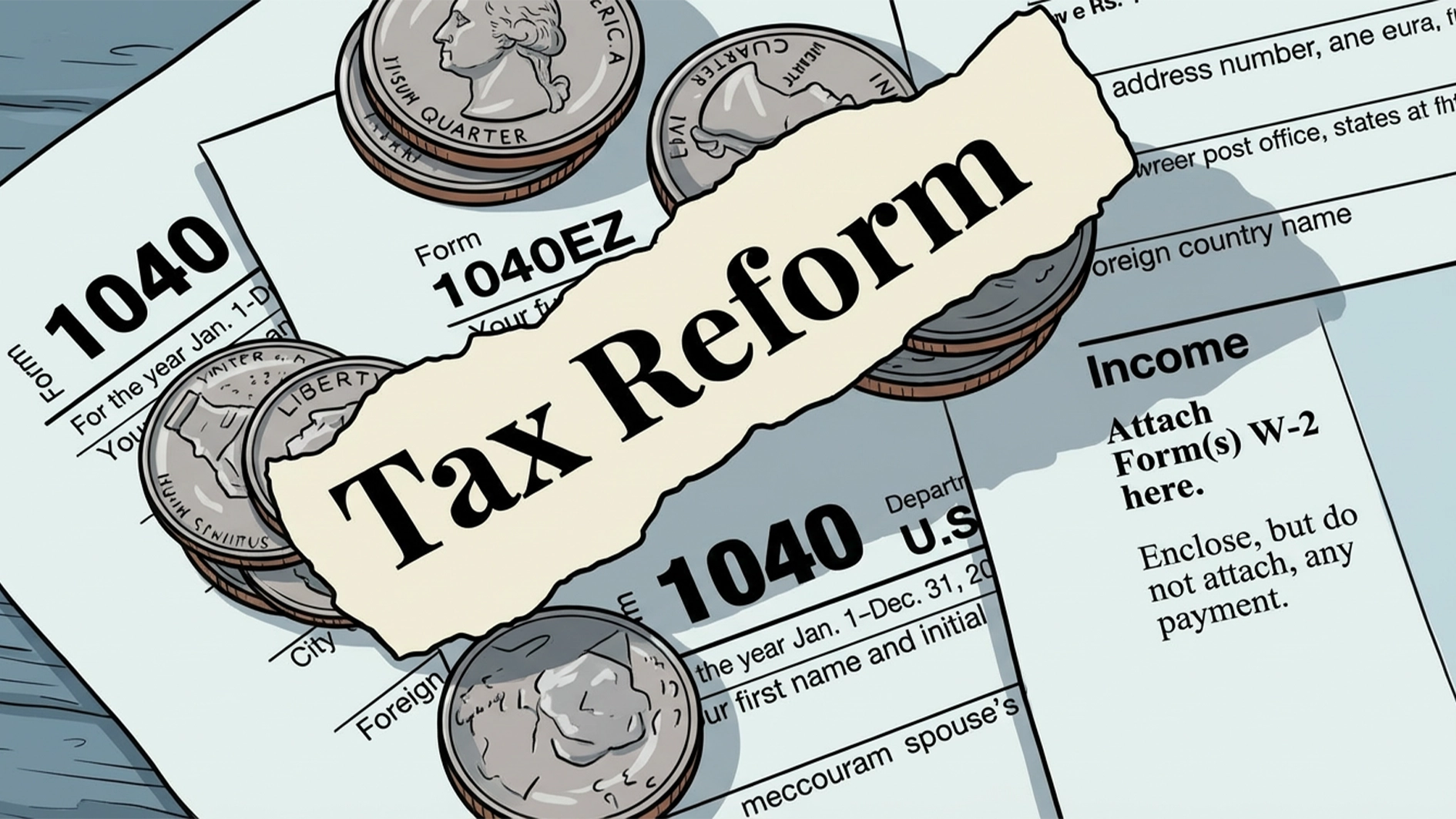
When these standards are ignored, harm is not theoretical. It manifests in weakened institutions, reduced compliance, delayed investment, and eroded confidence, effects that are often difficult to reverse. The risks are amplified by the psychology of authority, which predisposes the public to accept statements from respected professional bodies as credible and final, even when evidence is incomplete. Fear and uncertainty further magnify the impact, making subsequent correction or clarification less effective.
Modern media dynamics compound the challenge. In a fast-moving information ecosystem, a single unverified professional statement can be amplified across news platforms and social media within hours, often stripped of nuance and context. Once a narrative is established, it can shape public perception, investor sentiment, and policy discourse regardless of factual merit. Ethical lapses in communication therefore become systemic risks rather than isolated missteps.
In the context of tax reform, the consequences are concrete. Allegations of unlawful amendment, if unfounded, can cause businesses to delay or cancel investment, taxpayers to resist compliance, and policymakers to face unnecessary disputes and administrative friction.
Nigeria’s fiscal reform agenda depends heavily on trust: trust that laws are properly enacted, that rules are stable, and that institutions function as designed.
Mixed or alarmist signals from respected professional bodies undermine that trust and, by extension, weaken governance outcomes and fiscal performance. There is also a longer-term cost. When professional bodies appear to personalise or politicise technical issues, they risk internal fragmentation within the profession and weaken their moral authority to contribute meaningfully to future policy debates.
International experience reinforces the importance of prudence. Professional bodies in the United Kingdom and the United States consistently emphasise verification, careful language, and clear distinctions between fact and opinion when commenting on legislation. Across disciplines and borders, the lesson is consistent: professional authority magnifies impact, and magnified impact demands ethical discipline. In emerging economies such as Kenya and South Africa, professional associations have played advisory roles in tax administration, helping clarify legislation, train local authorities, and mediate taxpayer concerns, offering constructive examples for Nigeria.

A more responsible approach to professional engagement is therefore both available and necessary. Where genuine concerns exist, they should be addressed through precise identification of problematic provisions, engagement with legislative or implementing authorities for clarification, and transparent presentation of findings supported by evidence.
Unresolved issues should be framed as matters requiring clarification, not as conclusions of wrongdoing. Public statements should be updated or corrected promptly when new information emerges.
At this stage, what is truly expected from professional bodies is a shift from commentary on speculative issues to constructive engagement with implementation. They should focus on how the reforms are applied on the ground, the challenges facing taxpayers, and how these challenges can be mitigated to ensure that the benefits of the reforms are effectively felt by taxpayers, citizens, and the government.
More importantly, professional oversight should help ensure that the Nigerian tax system ransitions from an exclusive focus on revenue collection to a more comprehensive focus on core tax administration, transparency, and efficiency. Beyond this, professional bodies can support capacity building, training, and guidance for both taxpayers and tax officials, ensuring that reforms achieve their intended outcomes.
Part of professional responsibility also involves public education. Clear, accessible explanations of technical provisions reduce confusion, prevent misinformation, and improve voluntary compliance, reinforcing both the legitimacy of reforms and the credibility of professional bodies themselves.
The debate surrounding the Nigeria Tax Act 2025 offers lessons that extend well beyond this statute. Words issued under professional authority can either stabilise public discourse or destabilise it.
Precision, evidence, restraint, and the commitment to do no harm are therefore not optional virtues; they are foundational obligations. Responsible communication safeguards both institutional trust and professional credibility.
Reckless statements, even if well-intentioned, can mislead, erode confidence, and slow progress. Conversely, measured, evidence-based engagement strengthens governance, supports reform, and reinforces public faith in the institutions that underpin democracy and development.
Going forward, professional bodies in Nigeria have a unique opportunity to model responsible engagement. By focusing on evidence, implementation challenges, taxpayer support, public education, and ethical communication, they can reinforce public trust, strengthen governance, and ensure that ambitious reforms like the Nigeria Tax Act 2025 deliver tangible benefits for all citizens.
In an era of complex reforms, fragile institutional confidence, and heightened scrutiny, professionalism in public communication is indispensable. Used responsibly, professional voice can educate the public, strengthen governance, and support reform.
Used carelessly, it can mislead, erode trust, and inflict lasting institutional damage. In the complex landscape of law, policy, and governance, professionalism in public communication is more than an aspiration; it is a civic and moral duty.
Concluded.
Prof. Uba is an economist, public policy analyst, tax reform specialist, and governance scholar. He can be reached via: [email protected].

