 Follow Us on Google News
 Follow Us on Google Discover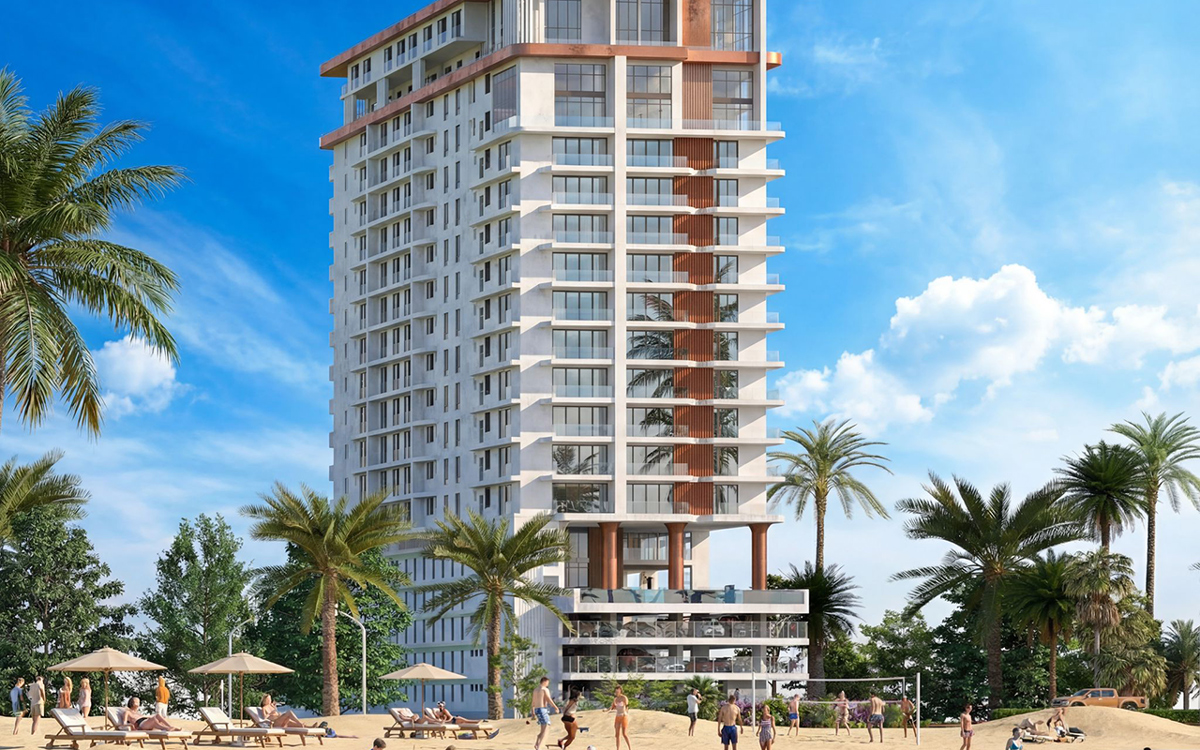
The Lagos–Calabar Coastal Road corridor, stretching from Eko Atlantic City to the Bluewater Okunde zone, is emerging as a key driver of changing dynamics in Nigeria’s coastal property market, with investors increasingly tracking its impact on land values, development timing and investment patterns.
Market data and ongoing project activity suggest that the road, which links Victoria Island, Eko Atlantic City and emerging coastal districts to the east, is being viewed by industry players as more than a transport route. Developers and investors say the improved connectivity, combined with clearer zoning and sustained private-sector participation, is shaping a defined investment belt along the Lagos coastline.
Industry sources note that the delivery of major public infrastructure has altered how the coastline is assessed, particularly in terms of access, planning certainty and long-term development prospects. As a result, several residential and mixed-use projects are advancing along the corridor, including high-rise developments such as The Carnelian on Victoria Island and planned schemes within the Bluewater Okunde axis.
Analysts say infrastructure-led corridors typically experience notable price adjustments once access improves and development risks reduce. This trend is evident in land values along the Bluewater Okunde strip. A parcel of approximately 2,400 square metres that previously traded at about ₦800 million is now valued above N5 billion, according to market estimates. The increase has been attributed to improved road access, proximity to Eko Atlantic City, ocean frontage, zoning clarity and supporting services.
The coastal road now provides direct movement between Victoria Island, Eko Atlantic City and Bluewater Okunde, reshaping development timelines and investor exit strategies. Market observers increasingly describe Bluewater Okunde as an extension of Eko Atlantic City’s real estate market, given its location within a short drive of Eko
Atlantic and close access to Victoria Island’s commercial hub.
Comparisons have been drawn with the early growth phases of global waterfront districts such as Dubai Marina, Miami Beach and Canary Wharf, with analysts emphasising similarities in infrastructure sequencing rather than price levels.
Pricing differentials are also influencing investor interest. Market projections indicate that by 2029, a two-bedroom apartment in Eko Atlantic City could sell for about $1.8 million, while comparable units in Bluewater Okunde may trade around $1.2 million. Analysts say this gap is encouraging early entry into emerging coastal districts.
Investor behaviour reflects this outlook, with increased focus on off-plan and early-stage construction projects, which historically have offered higher returns. Founder and Chief Executive Officer of Digital Landlords and Giwa Gardens, Keji Giwa, said Nigerian and diaspora investors should prioritise early-stage developments to maximise capital gains, noting that such phases have delivered stronger returns in previous market cycles.
The corridor is attracting High Net Worth Individuals, diaspora investors, expatriates, institutional funds and portfolio investors seeking diversification. With Eko Atlantic City, the Lagos–Calabar Coastal Road and new coastal districts now physically linked, analysts say Lagos is positioning itself for broader competition in global waterfront property markets, where early participation ahead of project completion and market saturation remains a key driver of returns.

