 Follow Us on Google News


 Follow Us on Google Discover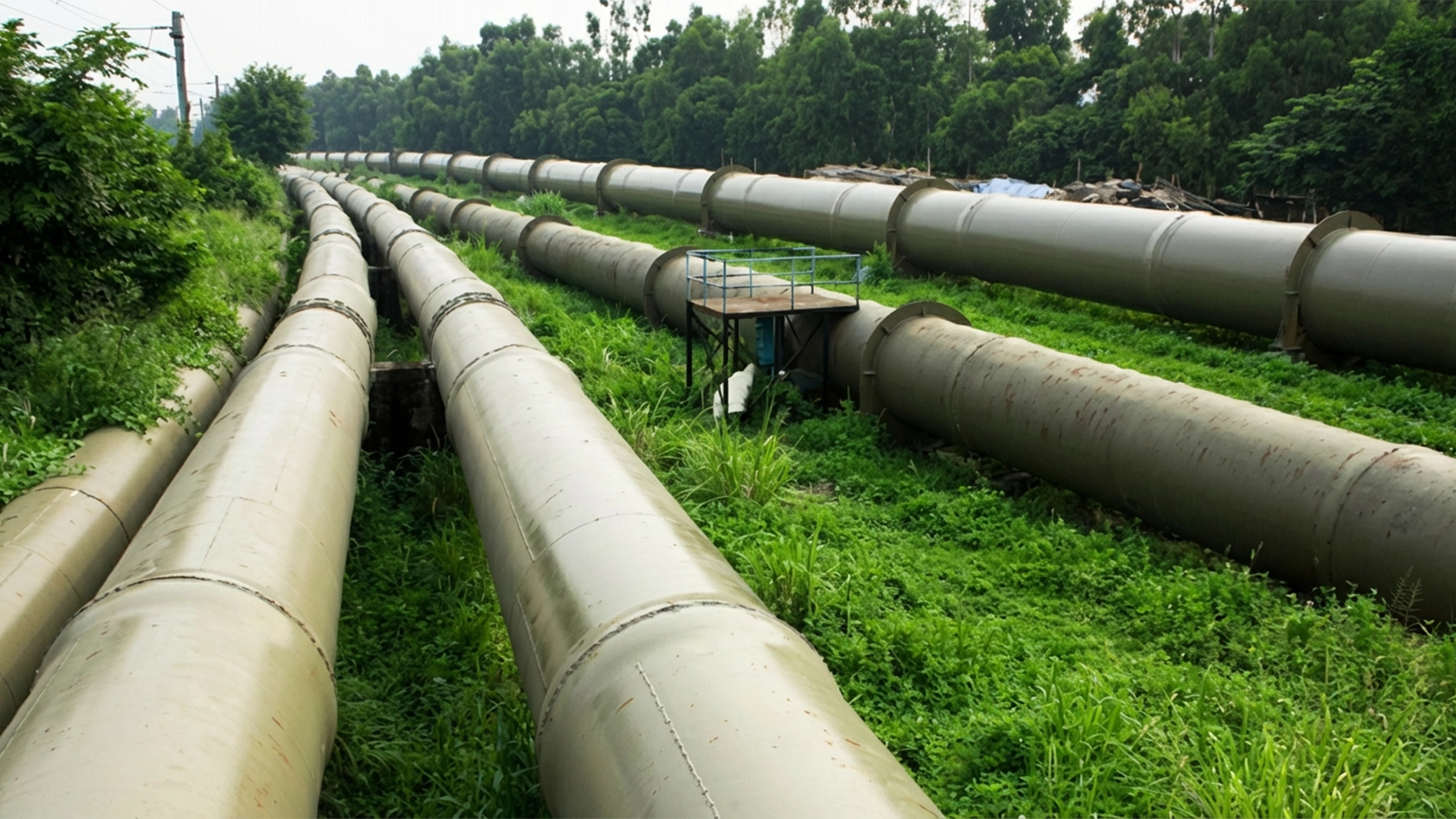
The Group Managing Director of Rainoil Limited, Dr. Gabriel Ogbechie, has emphasised the need for the revival of pipeline infrastructure and fair pricing of petroleum products to drive growth in Nigeria’s energy sector.
Ogbechie stated this while speaking at a Mid/Downstream Transformation Debate at the Nigerian International Energy Summit (NIES) in Abuja, with the theme: Driving Domestic Value: Transforming Downstream Markets and Refining.
Providing solutions to challenges that have bedeviled the sector, Ogbechie, a prominent figure in Nigeria’s energy industry, highlighted the importance of robust pipeline systems in connecting gas supply to demand, promoting industrial growth, and ensuring energy security.
He stressed that pipeline vandalism and theft must be addressed through intelligence-driven monitoring and stronger legal frameworks.He noted that Nigeria has moved away from an era when fuel scarcity was a recurring national challenge, driven largely by non-functional refineries and total dependence on imported petroleum products.
According to him, for many years Nigeria’s four state-owned refineries were largely dormant, forcing Africa’s largest oil producer to rely almost entirely on imports to meet domestic fuel demand.
“Thankfully, in the last two years, we have been privileged to witness the advent of the Dangote Refinery, which has been a blessing to the country and a game changer for the industry,” Ogbechie said.
He stressed that the downstream sector is currently experiencing significant disruption as it adjusts to a new operating reality. While acknowledging the value added by the Dangote Refinery.

Ogbechie said sustainable progress would depend on cooperation rather than competition between local refiners and downstream marketers.
He cautioned that unpredictable or inequitable pricing could distort the market and destroy value rather than create it. He emphasised that pricing must be fair to all stakeholders, including consumers, and predictable enough to allow operators to plan and invest with confidence.
Beyond pricing, he identified product distribution as a major source of inefficiency and value erosion in the downstream sector. Ogbechiecriticised Nigeria’s heavy reliance on road transportation for fuel distribution, describing it as economically unsustainable and damaging to national infrastructure.
He reminded stakeholders that Nigeria already possesses an extensive network of pipelines linking refineries and major cities across the country, including routes from Port Harcourt to Aba, Enugu, and Makurdi; Kaduna to Jos, Gombe, Yola, and Kano; and Warri to Benin and further inland.

