 Follow Us on Google News
 Follow Us on Google Discover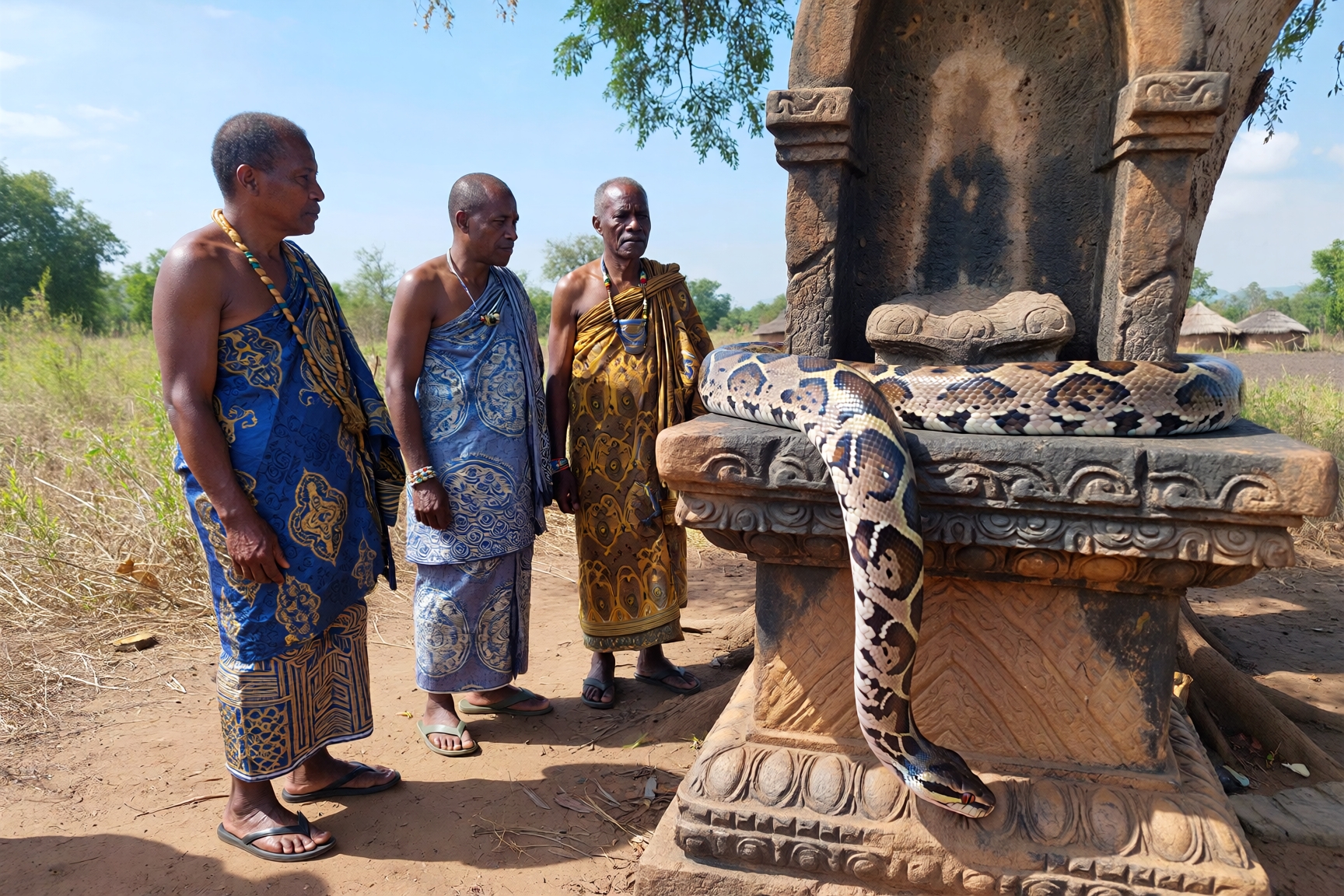
Welcome, dear readers! I’m absolutely delighted to share this fascinating exploration into one of Nigeria’s most spiritually rich cultural dimensions. After months of meticulous research across our six geopolitical zones and years of documenting traditional belief systems in communities from Calabar to Sokoto, I’ve gathered insights that will illuminate the sacred relationship between Nigerians and the animal kingdom. This article represents the culmination of extensive fieldwork, countless conversations with traditional priests and elders, and a deep appreciation for how our ancestors understood the natural world.
The question of what animal is sacred in Nigeria reveals something rather magnificent about our cultural complexity: there isn’t just one answer. Across Nigeria’s 371 ethnic groups, different communities venerate different animals, each carrying specific spiritual significance tied to creation myths, ancestral legends, and religious cosmology. From the sacred pythons of the Igbo to the revered crocodiles of riverine communities, Nigeria’s animal veneration practices form a tapestry as diverse as our people themselves.
I still remember my first encounter with sacred animals during a visit to the Osun-Oshogbo Sacred Grove in Osun State. Walking through that UNESCO World Heritage site, I watched monkeys and antelopes move freely among visitors, completely unafraid because centuries of protection had taught them they were safe. That moment crystallised something essential about Nigerian spirituality: our traditional religions don’t separate the sacred from the natural world. They’re woven together in ways that modern environmental movements are only beginning to appreciate.
Which is the Most Sacred Animal Across Nigerian Cultures?
Here’s where our cultural diversity creates a beautiful complication: there’s no single most sacred animal across all of Nigeria. What’s revered in one community might be ordinary (or even food!) in another. However, certain animals appear repeatedly in sacred contexts across multiple ethnic groups, suggesting patterns in how our ancestors understood spiritual power.
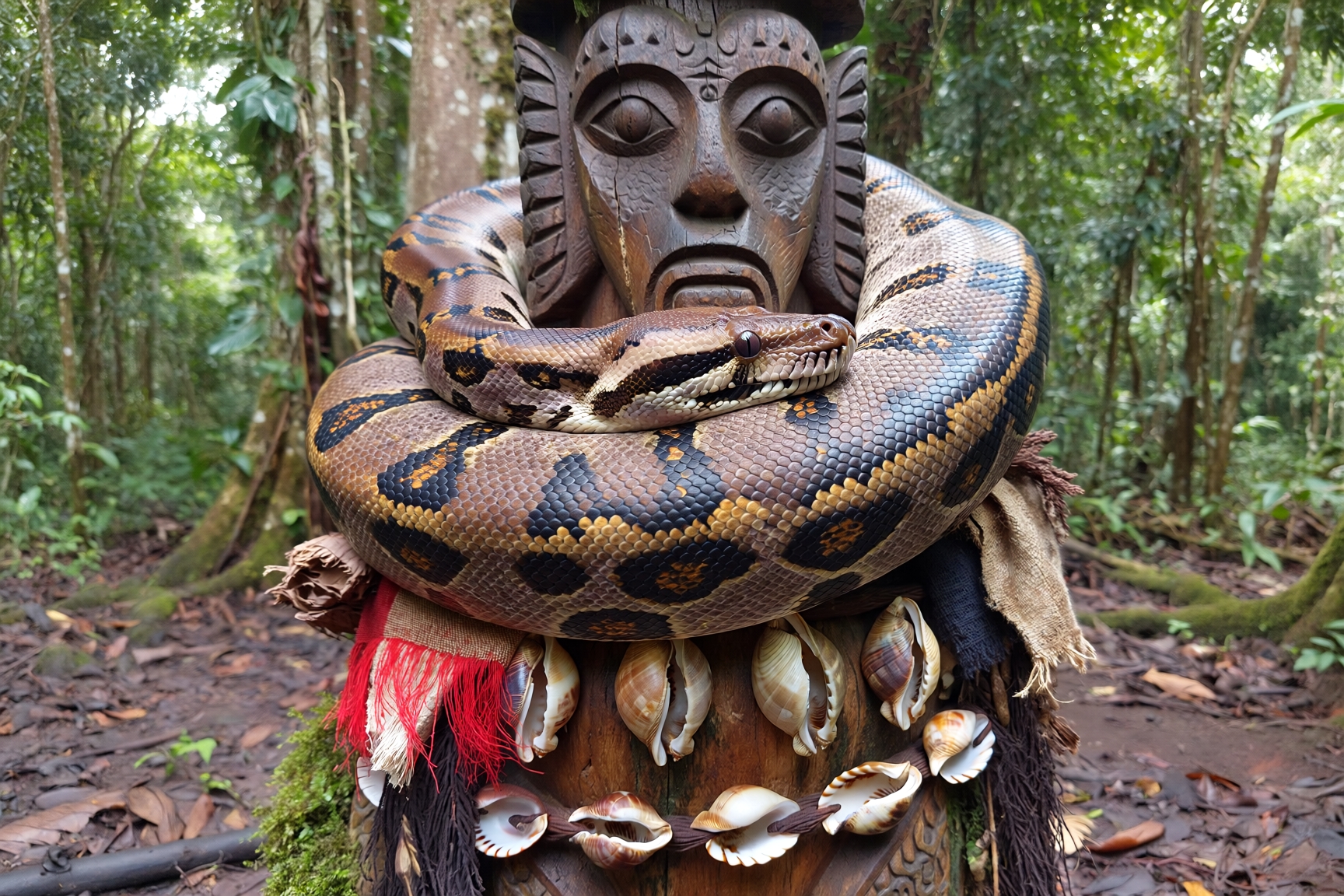
The python holds perhaps the widest sacred status across Nigerian cultures. In Igbo communities, particularly in Arochukwu and parts of Anambra State, pythons (specifically the African rock python) are considered physical manifestations of the Eke deity. Killing a python in these communities traditionally required performing burial rites similar to those given to humans. The National Institute for Cultural Orientation documents how this python veneration connects to broader creation mythology, where the serpent represents wisdom, fertility, and the connection between the earth and spiritual realms.
In Yoruba culture, the python also features prominently, though in different symbolic contexts. The python represents Oshumare, the rainbow deity associated with wealth and prosperity. You’ll notice this in traditional Yoruba art, where serpents frequently appear in carvings and ceremonial objects. The spiritual significance extends to practical taboos: many traditional Yoruba families maintain specific prohibitions against harming pythons, passed down through generations.

The crocodile occupies sacred space in riverine communities, particularly among the Ijaw and Urhobo peoples of the Niger Delta. These communities view crocodiles as ancestral guardians of waterways, protectors who ensure bountiful fishing and safe passage. Some communities maintain sacred ponds where crocodiles live protected, fed by community members who treat them rather like divine caretakers.
Monkeys, particularly in southwestern Nigeria, enjoy protection in certain sacred groves and shrines. The famous Osun-Oshogbo grove houses multiple monkey species that devotees consider sacred messengers of the goddess Osun. These animals move freely, and harming them is considered a serious spiritual offence that could bring misfortune upon the perpetrator.
Interestingly, the concept of sacred animals in Nigeria doesn’t always match global patterns. While cows are sacred in Hinduism, in Nigeria cattle hold economic and cultural importance among Fulani herders but aren’t worshipped as deities. This distinction matters: sacred animals in Nigerian contexts are typically wild creatures associated with specific deities, not domesticated animals central to livelihood.
What is Nigeria’s Main Animal in Traditional Symbolism?
When we talk about Nigeria’s “main” animal in traditional symbolism, we’re really asking about which animals most frequently appear in spiritual contexts, traditional art, ceremonial objects, and folklore across our diverse ethnic landscape. The answer requires understanding how different animals represent different aspects of traditional cosmology.
The leopard dominates traditional symbolism across much of Nigeria, particularly in southeastern and south-south regions. Among the Igbo, Efik, and Ibibio peoples, the leopard (called agu in Igbo) represents kingship, power, and spiritual authority. Traditional rulers historically wore leopard skins during ceremonies, and many cultural associations (like the Ekpe society among the Efik and Ibibio) use leopard imagery in their regalia and rituals.
I attended a traditional coronation ceremony in Cross River State where the new Obong (king) received ceremonial leopard skin as part of his investiture. The symbolism was palpable: the leopard’s strength, stealth, and dominance in the forest directly transferred to the ruler’s authority over his domain. The Federal Ministry of Arts, Culture, and Creative Economy recognises these ceremonial practices as integral components of Nigeria’s intangible cultural heritage.
The eagle features prominently in many Nigerian cultures as a symbol of vision, spiritual insight, and connection between earthly and heavenly realms. In Yoruba culture, the eagle (called àwòdì) appears in proverbs and traditional wisdom, representing those who can see far beyond immediate circumstances. Traditional healers sometimes use eagle feathers in spiritual cleansing ceremonies, believing the bird’s ability to soar above earthly troubles translates to spiritual clarity.
The tortoise occupies a unique position in Nigerian folklore and traditional symbolism. Rather than being worshipped, the tortoise appears as a trickster character in countless folktales across ethnic groups, representing cleverness, wisdom (sometimes cunning!), and the ability to overcome obstacles through intelligence rather than strength. These stories serve educational purposes, teaching children about wit and strategy.
Snakes generally (beyond just pythons) carry complex symbolism across Nigerian cultures. They represent transformation and rebirth (because they shed skin), hidden knowledge, and the boundary between life and death. In some communities, seeing certain snakes is considered an ancestral visitation or spiritual message requiring interpretation by priests.
The ram holds ceremonial significance, particularly in Islamic communities across northern Nigeria and among Yoruba Muslims. During Eid al-Adha celebrations, rams are sacrificed in commemoration of Abraham’s willingness to sacrifice his son, creating a spiritual connection between the animal and religious devotion. However, this represents religious symbolism rather than the indigenous sacred animal veneration found in traditional belief systems.
What’s fascinating is how these symbolic meanings persist even as Nigeria modernises. You’ll still see leopard motifs on traditional wedding attire, eagle imagery in contemporary art, and tortoise characters in children’s storybooks. The symbols have outlived the contexts that created them, proving their cultural staying power.
What is the Sacred Animal of the Yoruba People?
The Yoruba people, one of Nigeria’s three largest ethnic groups, maintain a sophisticated cosmology where multiple animals hold sacred status, each connected to specific deities (orisha) in their pantheon. Understanding Yoruba sacred animals requires appreciating how their traditional religion links the natural world to spiritual forces.
The python stands as perhaps the most broadly sacred animal in Yoruba tradition, associated with Oshumare (also called Osumare), the deity of the rainbow who represents both male and female principles, wealth, and the connection between heaven and earth. In traditional Yoruba belief, the rainbow is actually a giant serpent that appears after rain, drinking water to carry to heaven. Communities that worship Oshumare maintain strict taboos against killing pythons, and some families claim pythons as their family totem (something they cannot eat or harm).
The snail, particularly the giant African land snail, holds sacred status in connection with Obatala, the orisha associated with creation, purity, and moral righteousness. Obatala worshippers traditionally avoid killing snails and sometimes use snail shells in sacred ceremonies. The snail’s slow, deliberate movement represents Obatala’s patient, thoughtful nature, while the white colour of the shell symbolises purity.
I once interviewed a traditional Yoruba priest in Oshogbo who explained that the connection between Obatala and snails runs deeper than simple association. The snail carries its home on its back, representing self-sufficiency and the ability to adapt to different environments while maintaining one’s core identity. That’s pure Yoruba philosophical thinking right there!
Peacocks and other decorative birds connect to Oshun, the river goddess of love, beauty, fertility, and wealth. The peacock’s spectacular display mirrors Oshun’s association with beauty and attraction. In communities near the Osun River, particularly around the sacred Osun-Oshogbo grove, birds are protected as sacred creatures belonging to the goddess.
The dog has complex sacred status in Yoruba tradition, particularly in connection with Ogun, the deity of iron, war, and technology. While dogs are not universally sacred, certain families and lineages maintain ritual relationships with dogs as part of their Ogun worship. The dog’s loyalty and hunting abilities mirror Ogun’s characteristics as a protector and provider.
Elephants, though rare in Yoruba-dominated areas today, feature in traditional symbolism representing strength, wisdom, and leadership. Elephant ivory appears in royal regalia, and traditional rulers sometimes carry elephant-tail whisks as symbols of authority. The Yoruba proverb “Erin lo l’aya ju, o ni ‘ya l’eru” (The elephant has plenty of tusks but claims it has no burden) reflects how elephant symbolism extends into moral teaching.
According to cultural documentation from the Ministry of Foreign Affairs cultural heritage division, these animal-deity connections aren’t arbitrary. They reflect careful observation of animal behaviours and characteristics, which traditional priests interpreted as manifestations of spiritual forces. The python’s ability to shed its skin became associated with renewal and transformation. The snail’s hermaphroditic nature connected to Obatala’s dual-gendered aspects.
What’s particularly interesting is how urban Yoruba communities maintain these sacred animal beliefs despite modernisation. Even in cosmopolitan Lagos, you’ll find families who still observe food taboos related to their ancestral totems, refusing to eat specific animals connected to their lineage’s protective deities.
Understanding Sacred Animals: A Seven-Step Cultural Guide
Navigating Nigeria’s sacred animal traditions requires cultural sensitivity and genuine understanding of the spiritual frameworks that create these beliefs. Let me walk you through a practical approach to appreciating (and respecting) these practices.
1. Research the Specific Community’s Beliefs
Before visiting any Nigerian community, particularly rural areas or during traditional festivals, research which animals hold sacred status locally. What’s sacred in one village might be completely ordinary 50 kilometres away. The Ijaw community’s sacred crocodiles in Bayelsa State mean nothing to the Igbo communities in neighbouring Imo State, where pythons might be venerated instead.
Ask locals respectfully about their traditions. Most Nigerians are happy to explain their cultural practices to genuinely interested visitors. I’ve found that approaching elders with humility (and perhaps a bottle of palm wine as a gesture of respect) opens conversations that reveal fascinating details about animal veneration practices.
2. Understand the Deity-Animal Connection
Sacred animals in Nigerian traditional religions almost always connect to specific deities or ancestral spirits. Understanding which deity the animal represents helps you grasp why it’s protected and what spiritual principles it embodies. The python isn’t randomly sacred; it represents specific deities with particular characteristics in traditional cosmology.
Study how the animal’s natural characteristics align with the deity’s attributes. Fast animals often connect to deities associated with war or hunting. Water creatures link to river deities. Animals with unusual features (like the chameleon’s colour-changing ability) often represent transformation or spiritual mystery.
3. Learn Local Taboos and Protocols
Every sacred animal comes with specific taboos (things forbidden) and protocols (proper behaviours). In communities where pythons are sacred, there might be specific rituals required if you accidentally kill one. Some sacred groves with protected animals require visitors to remove shoes, avoid specific colours, or observe silence.
Guardian Nigeria’s reporting on cultural diversity across Nigerian communities emphasises how these protocols aren’t just religious observance – they’re social contracts that maintain community cohesion and environmental protection. Violating taboos can create serious social friction, even if you’re a visitor.
4. Observe Environmental Protection Aspects
Many sacred animal practices function as effective environmental conservation, though that wasn’t necessarily the original intention. Sacred groves where animals are protected often preserve biodiversity that has disappeared elsewhere. The Osun-Oshogbo Sacred Grove, for instance, maintains rare species precisely because traditional veneration created a de facto conservation zone.
Appreciate how traditional ecological knowledge embedded environmental protection within spiritual practice. Communities that revere certain animals as sacred effectively create traditional wildlife sanctuaries generations before modern conservation science developed similar concepts.
5. Respect Regional Variations
Never assume that sacred animal practices in one Nigerian region apply everywhere. The Hausa-Fulani communities in northern Nigeria have entirely different sacred animal traditions (or none at all) compared to southeastern Igbo communities. Some areas follow Islamic or Christian traditions that explicitly reject animal veneration as incompatible with monotheistic belief.
I’ve witnessed genuine cultural misunderstandings when visitors assume “Nigerian traditional beliefs” are uniform. There’s no single Nigerian traditional religion – there are hundreds of distinct belief systems, each with unique practices around sacred animals.
6. Distinguish Between Totems and Sacred Animals
Not all protected animals are “sacred” in the religious worship sense. Some are family totems – animals associated with specific lineages that those families avoid harming or eating, but others can interact with normally. The Yoruba concept of “èèwò” (taboo) creates prohibitions without necessarily implying worship.
Understanding this distinction prevents cultural errors. If someone tells you their family doesn’t eat pangolin because it’s their totem, they’re not necessarily saying pangolins are gods. They’re explaining a familial prohibition based on ancestral connections or founding myths.
7. Appreciate Contemporary Adaptations
Sacred animal traditions are living practices, not museum pieces. Many Nigerian communities have adapted traditional beliefs to coexist with Christianity or Islam. You’ll find Christians who still observe family totems or Muslims who respect traditional sacred groves, creating syncretic practices that blend different belief systems.
Observe how younger Nigerians negotiate these traditions. Some maintain them fully, some modify them, some reject them as outdated. This generational negotiation represents normal cultural evolution, not cultural death. The key is respecting people’s choices about their own traditions without judgment.
How Sacred Animal Practices Vary Across Nigerian Ethnic Groups
Let me share a data comparison that illuminates the beautiful diversity of sacred animal practices across Nigeria’s major ethnic groups. This isn’t exhaustive (we’d need volumes!), but it shows clear regional and cultural patterns.
| Ethnic Group | Primary Sacred Animals | Associated Deities/Spirits | Protection Methods | Contemporary Practice |
|---|---|---|---|---|
| Igbo (Southeast) | Python, crocodile, ram | Eke deity, Idemili, Ala | Sacred groves, burial rites for killed pythons, community taboos | Declining in urban areas, strong in rural communities, syncretised with Christianity |
| Yoruba (Southwest) | Python, snail, peacock, tortoise | Oshumare, Obatala, Oshun, various orisha | Sacred shrines, family totems, ritual prohibitions | Active in traditional worship centres, maintained by devotees, visible during festivals |
| Hausa-Fulani (North) | Cattle (economic not sacred), rams (Islamic context) | No indigenous deity worship (Islamic majority) | Islamic ritual context, economic value | Predominantly Islamic practice, traditional beliefs rare |
| Ijaw (South-South) | Crocodile, python, water monitor | Water spirits, ancestral protectors | Sacred ponds, community shrines, ritual feeding | Active in riverine communities, weakening in urban areas |
| Efik/Ibibio (South-South) | Leopard, python, monitor lizard | Ekpe spirits, ancestral totems | Secret society protection, ceremonial use | Strong in traditional institutions, visible during cultural festivals |
| Tiv (North Central) | Various clan totems (varies by kindred) | Ancestral spirits (akombo) | Kindred-specific prohibitions | Maintained alongside Christianity, varies by family |
The data reveals something rather fascinating: sacred animal practices correlate strongly with traditional religious retention. Communities that maintain active traditional worship (like Yoruba orisha devotees or Igbo traditionalists) preserve more robust sacred animal practices. Communities that converted more completely to Islam or Christianity have largely abandoned indigenous animal veneration, though family totems sometimes persist.
Urbanisation dramatically affects these practices. My research in Lagos, Port Harcourt, and Abuja found that second and third-generation urban dwellers often know their family totems but don’t actively observe the taboos. They might avoid eating their totem animal out of cultural habit rather than spiritual conviction.
Economic factors also play roles. Communities dependent on wild animal resources (hunting, bushmeat trade) often find sacred animal beliefs constraining, leading to gradual erosion of taboos. Conversely, communities where sacred animals create tourism opportunities (like Osun-Oshogbo) have reinforced protections with economic motivations now supplementing spiritual ones.
What is Nigeria’s Native Animal in Sacred Contexts?
When we consider which animals are genuinely native to Nigeria and also hold sacred status, we’re looking at the intersection between Nigeria’s natural biodiversity and cultural spiritual practices. This matters because some sacred animals (like the lion in some northern traditions) aren’t actually native to Nigeria anymore, though they might have been historically.
The African rock python (Python sebae) is both native and sacred across multiple Nigerian ethnic groups. These massive snakes, which can exceed five metres in length, inhabit forests and grasslands throughout Nigeria. Their sacred status in Igbo culture stems from both their impressive size and their ecological role as apex predators. Traditional Igbo communities treat pythons as reincarnated ancestors or physical manifestations of the earth deity Ala.
Crocodiles, particularly the Nile crocodile and West African slender-snouted crocodile, are native to Nigeria’s rivers and wetlands. They hold sacred status in multiple riverine communities that depend on water resources for survival. The Ijaw people maintain sacred crocodile ponds in several communities, where the reptiles are fed and protected as spiritual guardians of water resources.
I visited one such sacred pond in Bayelsa State where the community caretaker explained how crocodile veneration creates practical conservation. The sacred pond maintains a breeding population that helps stock wild crocodile numbers in surrounding waterways. Spiritual belief drives environmental outcome without that being the conscious goal. That’s traditional ecological wisdom at work!
The African civet, though less commonly venerated than pythons or crocodiles, appears in traditional symbolism across some Nigerian communities. This cat-like mammal produces musk used in traditional medicine and spiritual practices, giving it sacred associations in communities that harvest this substance ritually.
Monkeys, particularly the mona monkey and putty-nosed monkey native to Nigerian forests, enjoy protection in sacred groves across southern Nigeria. The Osun-Oshogbo grove houses several monkey species that devotees consider messengers of the river goddess. These populations represent some of the last remaining wild primates in degraded forest landscapes, preserved entirely through traditional religious protection.
The monitor lizard, a large reptile native to Nigerian forests and wetlands, holds sacred status in some southeastern communities. In Efik and Ibibio traditional contexts, monitor lizards connect to ancestral spirits and certain secret societies. Killing them requires specific purification rituals in communities where they’re protected.
Interestingly, some animals with sacred status in Nigerian traditions are no longer present in Nigeria’s wild ecosystems. Lions, for instance, feature prominently in traditional Yoruba art and some spiritual contexts, but wild lions disappeared from Nigeria decades ago due to habitat loss and hunting. This creates a disconnect where the cultural memory of sacred animals outlives their physical presence in the environment.
Birds present complicated sacred status. While many bird species are native to Nigeria, relatively few are universally sacred. However, specific bird species hold sacred status in particular contexts. The African grey parrot, native to Nigerian forests, appears in traditional divination practices in some communities. Eagles feature in traditional symbolism but aren’t typically protected as sacred in the way pythons or crocodiles are.
The giant African land snail, native throughout Nigeria, holds sacred status particularly in Yoruba tradition connected to Obatala worship. These massive gastropods are found in forests and farmlands across southern Nigeria, where they play important ecological roles despite being considered pests in agricultural contexts.
What’s rather concerning from a conservation perspective is that Nigeria’s sacred animal traditions haven’t prevented severe wildlife declines. Even animals with sacred status in some communities face threats from habitat loss, hunting in areas where they’re not protected, and general environmental degradation. The cultural fragmentation where each ethnic group protects different animals means there’s no comprehensive traditional conservation framework covering Nigeria’s full biodiversity.
The challenge moving forward is how to revitalise sacred animal traditions in ways that support modern conservation goals. Some conservationists work with traditional rulers and religious leaders to reinforce indigenous protection practices, creating hybrid conservation models that respect cultural traditions while achieving environmental outcomes.
Addressing the Primary Question Directly: What Animal is Sacred in Nigeria?
Let me provide a straightforward answer to the central question: Multiple animals are considered sacred across different Nigerian ethnic groups and traditional belief systems, with no single animal holding universal sacred status throughout the country. However, the python (African rock python) comes closest to being widely sacred across multiple major ethnic groups, particularly among the Igbo and Yoruba peoples.
Key sacred animals across Nigerian cultures include:
- Python (African rock python): Sacred in Igbo tradition (connected to Eke deity and Idemili goddess), Yoruba tradition (associated with Oshumare), and some other southern groups
- Crocodile: Sacred in Ijaw, Urhobo, and other riverine communities as ancestral guardians and water spirits
- Leopard: Symbolically sacred in Igbo, Efik, and Ibibio traditions representing kingship and spiritual authority
- Snail (giant African land snail): Sacred in Yoruba tradition connected to Obatala worship
- Monkeys (various species): Protected in sacred groves, particularly associated with Yoruba goddess Oshun
- Monitor lizards: Sacred in some Efik, Ibibio, and Cross River communities connected to ancestral spirits
The sacred status of these animals stems from their connection to specific deities in traditional Nigerian religions, their symbolic representation of spiritual principles, their role in creation myths and ancestral legends, and their perceived ability to serve as intermediaries between human and spiritual realms.
In traditional Nigerian cosmology, sacred animals aren’t worshipped as gods themselves but rather understood as physical manifestations of spiritual forces, messengers of deities, reincarnated ancestors, or creatures under divine protection. This distinction is important: the veneration is directed toward the spiritual entity the animal represents, not the animal itself as an independent deity.
The protection methods for sacred animals include community taboos against killing or eating them, sacred groves and shrines where they live protected, ritual burial practices if they die, spiritual consequences believed to follow their harm, and traditional authority enforcement of protection rules.
Contemporary challenges to these traditions include religious conversion (Christianity and Islam generally reject animal veneration), urbanisation weakening traditional authority structures, environmental degradation destroying sacred habitats, generational knowledge loss as youth disconnect from traditions, and legal ambiguity where traditional protections conflict with wildlife laws.
Yet sacred animal practices persist in many Nigerian communities, particularly rural areas with active traditional religious practice. During traditional festivals, these animals feature prominently in ceremonies, and communities maintain sacred groves and ponds where protected animals live. The practices represent living traditions adapting to modern circumstances rather than fossilised relics of the past.
Understanding sacred animals in Nigeria requires appreciating our cultural complexity: Nigeria isn’t culturally monolithic, and practices in one ethnic group don’t represent “Nigerian tradition” universally. The richness lies in our diversity, where different communities maintain distinct relationships with the natural world through their unique spiritual frameworks.
Preserving Sacred Animal Traditions in Modern Nigeria
The future of sacred animal traditions in Nigeria sits at the fascinating intersection of cultural preservation, religious evolution, environmental conservation, and economic development. Let me share what I’ve observed about how these traditions are adapting (or struggling to adapt) to contemporary Nigerian realities.
Religious conversion represents perhaps the biggest challenge. As Christianity and Islam expanded across Nigeria over the past century, they often explicitly opposed traditional animal veneration as incompatible with monotheistic worship. I’ve interviewed former traditionalists who abandoned sacred animal beliefs after converting, viewing them as “pagan practices” their new faiths rejected.
However, I’ve also encountered fascinating syncretic adaptations. Some Christian families maintain their ancestral totems (animals they won’t eat) whilst explaining them as cultural traditions rather than religious worship. They separate cultural identity from spiritual practice, allowing them to honour their heritage without violating their Christian beliefs. It’s rather like how many Western Christians maintain Christmas tree traditions despite their pre-Christian origins.
Environmental conservation presents opportunities for revitalising sacred animal traditions with new justifications. Conservation organisations increasingly work with traditional rulers and religious leaders to reinforce indigenous protection practices. The Nigerian Conservation Foundation has partnered with communities protecting sacred groves, providing scientific documentation of biodiversity these spiritual practices preserve.
The Osun-Oshogbo Sacred Grove demonstrates how traditional sacred animal protection can align with modern conservation. UNESCO World Heritage designation brought international attention and tourism revenue, creating economic incentives to maintain traditional protections. The monkeys and antelopes living there enjoy dual protection: traditional spiritual veneration and legal conservation status.
Education plays complex roles. Western-style education sometimes undermines traditional beliefs by teaching scientific frameworks that contradict spiritual explanations. Yet education also creates awareness of environmental values that align with traditional conservation outcomes. Educated Nigerians increasingly appreciate how their grandparents’ “superstitious” taboos against killing certain animals actually functioned as ecological wisdom.
I spoke with a young environmental scientist from an Igbo community who initially dismissed his village’s python veneration as backward nonsense. After studying ecology, he realised the pythons his community protected performed crucial rodent control, benefiting local agriculture. His appreciation shifted from spiritual to scientific, but the practical outcome (protecting pythons) remained the same. Different reasoning, same conservation result.
Tourism potential offers another preservation avenue. Communities with active sacred animal practices increasingly recognise their cultural tourism value. Sacred crocodile ponds in Bayelsa State attract visitors willing to pay to see and photograph the protected reptiles. Economic benefits create modern incentives for maintaining traditional practices.
However, tourism also risks commodifying sacred practices, transforming genuine spiritual traditions into performances for foreigners. The balance between cultural preservation and commercialisation requires careful navigation. Some communities restrict tourist access during actual religious ceremonies whilst allowing visits during non-sacred times.
Legal frameworks in Nigeria create interesting complications. The Nigerian Wildlife Act protects certain endangered species, sometimes aligning with traditional protections but other times creating confusion. What happens when traditional law protects an animal not covered by Nigerian legislation? Or when wildlife laws prohibit practices (like ritual python burial) connected to sacred animal traditions?
Youth engagement represents the critical factor for long-term preservation. If younger Nigerians view sacred animal traditions as irrelevant superstition, these practices will fade within generations. However, if youth understand the cultural, ecological, and identity values these traditions carry, adaptation and continuation become possible.
I’ve noticed that diaspora Nigerians sometimes embrace traditional practices more enthusiastically than those living in Nigeria. Distance creates appreciation for cultural uniqueness. Nigerian communities abroad maintain festivals featuring sacred animal symbolism, teaching children about practices they might never have encountered growing up in modern Lagos or Abuja.
Moving Forward: Respecting Sacred Animal Traditions
Whether you’re Nigerian reconnecting with cultural roots, a researcher studying indigenous practices, or a visitor exploring Nigerian culture, approaching sacred animal traditions with respect and genuine curiosity matters enormously. These aren’t quaint folklore for outsiders’ entertainment; they’re living spiritual practices meaningful to many Nigerians.
Start by listening more than speaking. When communities share sacred animal traditions, they’re often revealing deeply held beliefs that merit respectful attention. Ask questions from genuine curiosity, not judgmental skepticism. Even if you don’t share the beliefs, you can respect the believers.
Avoid photographing sacred animals or ceremonies without explicit permission. What seems like innocent tourism can violate sacred protocols and disrespect spiritual practices. Some communities welcome documentation, others strictly forbid it. Always ask first.
Support conservation efforts that align with traditional practices. Organisations working to protect Nigerian biodiversity increasingly recognise that traditional ecological knowledge offers valuable insights. Sacred groves, protected ponds, and venerated animals represent conservation successes worth supporting and studying.
Recognise that cultural change doesn’t necessarily equal cultural death. Sacred animal traditions will evolve as Nigeria modernises. Some practices will fade, others will adapt, new interpretations will emerge. That’s normal cultural evolution, not tragic loss, though it’s worth documenting traditions before they disappear.
If you’re Nigerian wrestling with how traditional practices fit your modern identity, know there’s no single right answer. Some Nigerians maintain full traditional observance, some blend traditions with contemporary religion, some abandon them entirely. Your relationship with cultural heritage is personal and valid regardless of which path you choose.
What matters most is approaching these traditions with the seriousness they deserve. Sacred animal practices represent centuries of cultural development, spiritual insight, and ecological observation. They deserve better than dismissal as primitive superstition or romanticisation as noble savage wisdom. They’re complex, meaningful practices that continue shaping Nigerian cultural identity in fascinating ways.
Key Takeaways: Sacred Animals in Nigerian Culture
- Nigeria has no single sacred animal: Sacred animal practices vary dramatically across our 371 ethnic groups, with pythons coming closest to widespread veneration across multiple major cultures including Igbo and Yoruba communities.
- Sacred status stems from traditional religious cosmology: Animals hold sacred status through connections to specific deities, roles in creation myths, symbolic representation of spiritual principles, and perceived abilities as intermediaries between human and spiritual realms.
- Traditional practices face modern challenges but show adaptive resilience: Religious conversion, urbanisation, and environmental degradation threaten sacred animal traditions, yet conservation opportunities, tourism potential, and cultural pride create pathways for adaptation and preservation.
Related Articles on Nigerian Cultural Traditions and Identity
For deeper understanding of how traditional beliefs shape contemporary Nigerian society, explore my previous Guardian Nigeria articles examining cultural foundations. My piece on Nigerian marriage culture explores how traditional spiritual beliefs (including animal symbolism in ceremonies) influence modern wedding practices across ethnic groups. Similarly, my article on marriage customs in Nigeria examines how ancestral traditions persist despite modernisation, paralleling the sacred animal practices discussed here. Both pieces demonstrate how Nigerians negotiate between traditional heritage and contemporary life, creating hybrid practices that honour the past whilst embracing the future.
Frequently Asked Questions About Sacred Animals in Nigeria
What animal is most sacred in Nigeria?
The python holds the most widespread sacred status across Nigerian cultures, particularly among the Igbo and Yoruba peoples who associate it with specific deities like Eke, Idemili, and Oshumare. However, no single animal is universally sacred across all of Nigeria’s 371 ethnic groups, and what’s venerated in one community may be ordinary or even food in another.
Which is the most sacred animal in traditional African religions?
African traditional religions vary enormously across the continent, with no single most sacred animal, but pythons, leopards, and crocodiles frequently hold sacred status across multiple cultures. In Nigerian contexts specifically, the python appears most commonly in sacred roles across diverse ethnic groups from southeast to southwest regions.
Why are pythons sacred in Igbo culture?
Pythons are sacred in Igbo culture because they’re considered physical manifestations of the Eke deity and associated with the Idemili goddess, representing wisdom, fertility, and connections between earthly and spiritual realms. Killing a python in traditional Igbo communities requires performing burial rites similar to those for humans, reflecting the serpent’s elevated spiritual status.
What is Nigeria’s main animal symbol?
The leopard serves as Nigeria’s primary traditional animal symbol across multiple cultures, representing kingship, power, and spiritual authority particularly in southeastern and south-south regions. The eagle also features prominently in national symbolism, appearing on Nigeria’s coat of arms representing strength and Nigeria’s lofty aspirations as a nation.
What is the sacred animal of the Yoruba religion?
The Yoruba religion venerates multiple sacred animals connected to different orisha (deities), including pythons associated with Oshumare, snails connected to Obatala, peacocks and decorative birds linked to Oshun, and dogs related to Ogun. Each animal’s sacred status stems from its perceived characteristics reflecting the deity’s attributes and roles in traditional cosmology.
What is Nigeria’s native animal in conservation contexts?
Nigeria’s native animals include the African rock python, Nile crocodile, leopard, various monkey species, monitor lizards, and African grey parrots, many of which also hold sacred status in traditional beliefs. These animals face conservation challenges from habitat loss and hunting, though sacred animal traditions in some communities provide traditional protection mechanisms that benefit wildlife preservation.
Are sacred animal practices still followed in modern Nigeria?
Sacred animal practices persist actively in rural communities maintaining traditional religious observance and in urban areas among devoted traditionalists, though they’ve weakened significantly due to Christian and Islamic conversion and modernisation. Contemporary practice varies dramatically by region, ethnic group, and individual family commitment to ancestral traditions, with some communities maintaining robust protections whilst others have largely abandoned them.
Can Christians or Muslims observe sacred animal traditions?
Some Nigerian Christians and Muslims maintain family totem animals they won’t harm or eat whilst separating this cultural practice from religious worship that their faiths might prohibit. However, strict interpretations of Christianity and Islam typically reject animal veneration as incompatible with monotheism, creating tension between cultural heritage and religious identity for many Nigerians.
What happens if you kill a sacred animal in Nigeria?
Traditional consequences for killing sacred animals include requirements to perform elaborate burial rituals and pay substantial fines to the community, beliefs in spiritual affliction or misfortune befalling the killer or their family, social ostracism in communities where the taboo is strongly held, and ritual purification ceremonies to cleanse the spiritual pollution. Modern enforcement varies widely, with some communities maintaining strict traditional justice whilst others have lost these mechanisms.
How do sacred animal beliefs affect Nigerian wildlife conservation?
Sacred animal beliefs create traditional conservation zones (sacred groves, protected ponds) that preserve biodiversity and wildlife populations, though protection is species-specific and geographically limited rather than comprehensive. These traditional protections have prevented local extinctions in some areas but haven’t stopped Nigeria’s broader wildlife declines from habitat loss, hunting, and environmental degradation affecting even sacred species outside protected traditional contexts.
What are animal totems in Nigerian culture?
Animal totems are specific creatures that particular families or lineages claim ancestral connection to and therefore won’t harm, hunt, or eat, though others outside that lineage can interact with them normally. Totem animals differ from universally sacred animals in that their protected status applies only to specific descent groups rather than entire communities or ethnic groups.
Is the crocodile sacred in Nigeria?
Crocodiles hold sacred status in specific riverine communities, particularly among the Ijaw and Urhobo peoples of the Niger Delta who view them as ancestral guardians and water spirits. Sacred crocodile ponds exist in several communities where the reptiles are ritually fed and protected, though this veneration is geographically limited rather than nationwide, and crocodiles remain hunted in areas where they’re not culturally protected.

