 Follow Us on Google News


 Follow Us on Google Discover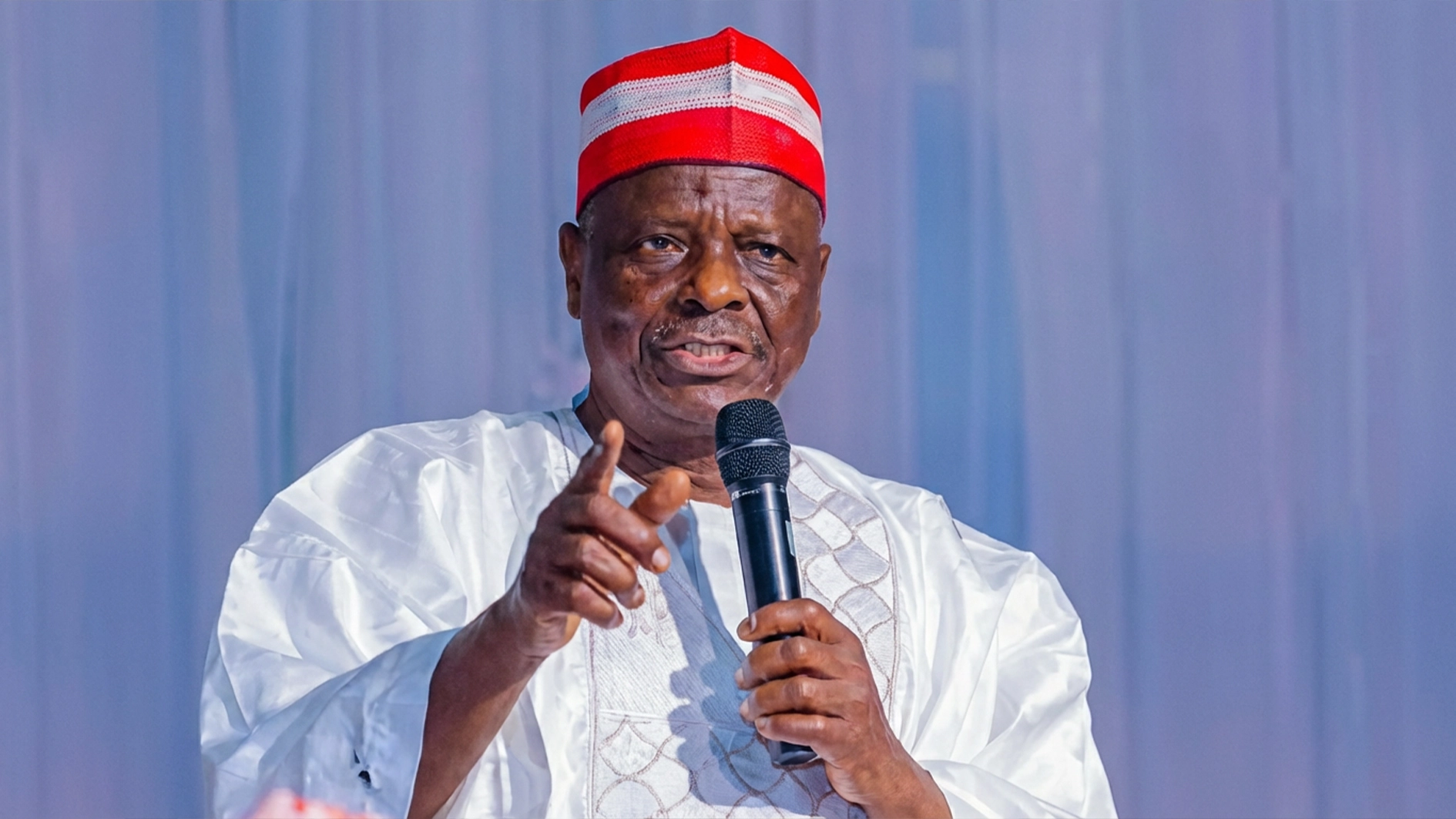
The Kano State Deputy Governor, Comrade Aminu Abdussalam Gwarzo, has urged the United States Congress to remove former Governor Rabiu Musa Kwankwaso from the proposed Nigeria Religious Freedom and Accountability Act of 2026, describing the claims against the former presidential candidate as unfounded and misleading.
The proposed bill, sponsored by U.S. Representatives Riley Moore and Chris Smith, seeks to impose sanctions on Fulani militias and includes Kwankwaso among individuals cited over alleged religious persecution.
In a statement released by Ibrahim Garba Shuaibu, Press Secretary to the Deputy Governor, Gwarzo said the allegations “are inconsistent with the verifiable public record of Senator Kwankwaso’s life and service.”
He noted that Kwankwaso has served Nigeria in numerous senior capacities over more than three decades, including as Deputy Speaker of the House of Representatives, two-term Governor of Kano State, Minister of Defence, Senator, and a recent presidential candidate.
“At no time has he been indicted, prosecuted, or credibly accused of religious persecution, extremism, or human rights violations,” the statement said, adding that Kwankwaso has consistently opposed violence, extremism, and terrorism.
Also, the Miyetti Allah Cattle Breeders Association of Nigeria, MACBAN, has rejected alleged moves by United States lawmakers to impose sanctions on the association, insisting it is a peaceful and law-abiding organisation.

Speaking in an interview with Trust TV, MACBAN National President, Baba Othman Ngelzarma, said there was no justification for the U.S. Congress to consider designating the herders’ umbrella body as a terrorist organisation.
Ngelzarma said the association received the development with shock, noting that its representatives had previously engaged with officials at the U.S. Embassy in Nigeria.
“We received the news with the greatest shock because we don’t know what the association has done to deserve such a sanction,” he said.
He explained that MACBAN was established 42 years ago as a non-violent and non-religious trade association to protect the interests of cattle breeders across the country, regardless of religion or ethnicity.
According to him, the association is a democratic pastoralist group whose leadership emerges through elections.
Ngelzarma maintained that MACBAN is neither armed nor involved in criminal activities, stressing that it has never taken responsibility for any crime or supported criminality.
In same vein, the Kwankwasiyya Movement has rejected the proposed Religious Freedom and Accountability Act 2026 (HR 7457), reference the leader of the movement and former Governor of Kano state Dr. Rabiu Musa Kwankwaso for possible Visa ban and freezing of asset.
A statement signed by the spokesperson of the movement, Dr Habibu Sale Mohammed dismissed the alleged raised in the proposed sanction insisted Kwankwaso’s records stand firmly against violence, extremism, and terrorism.
According to the release, “We received with grave concern reports that a proposed Bill before the United States Congress, the Nigeria Religious Freedom and Accountability Act 2026 (HR 7457), allegedly references the name of our leader and principal, Senator Rabiu Musa Kwankwaso, in connection with claims of severe religious freedom violations”.
“For over thirty years, Senator Rabiu Musa Kwankwaso has served Nigeria at the highest levels as Deputy Speaker of the House of Representatives, two-term Governor of Kano State, Minister of Defence, Senator of the Federal Republic, and Presidential Candidate.
“Throughout this period, he has never been indicted, prosecuted, or credibly accused of religious persecution, extremism, or human rights violations.
“The constitutional development of Sharia-based legal systems in certain northern Nigerian states was neither unique to Kano State nor the initiative of one individual.
“Multiple states adopted similar legal frameworks within the ambit of Nigeria’s federal constitution, legislative processes, and judicial safeguards. These systems remain subject to constitutional oversight and appellate review”.
He said further “To single out Senator Kwankwaso while similar constitutional arrangements exist across several states raises serious questions about the basis, consistency, and evidentiary standard behind such a recommendation”.

