 Follow Us on Google News
 Follow Us on Google Discover
Hello there, friend! I’m absolutely delighted you’ve found your way to this article, because the question of which country speaks English like Nigeria touches on something quite fascinating about linguistic identity, colonial legacies, and the remarkable ways language evolves when it meets different cultures. This piece represents months of research into comparative linguistics across West Africa and years of experience navigating English varieties across the continent. What I’ve discovered might surprise you.
Let me be direct: there’s no country that speaks English exactly like Nigeria. But several nations share remarkably similar linguistic patterns, colonial histories, and the distinctive flavour of West African English that makes Nigerian English so recognisable. Ghana stands as Nigeria’s closest linguistic cousin, followed by other former British colonies in West Africa that developed their unique English varieties through similar historical processes.
The way Nigerians speak English carries fingerprints of over 520 indigenous languages, British colonial education systems, American media influence, and the creative linguistic innovation that happens when formal English meets vibrant local cultures. It’s rather like comparing family members. You can see the resemblance, but each person has their own personality.
Understanding West African English Varieties
West African English isn’t a monolithic entity. It’s a family of related varieties that emerged from British colonisation, each shaped by local languages, cultural contexts, and post-independence language policies.
The similarities between Nigerian, Ghanaian, Sierra Leonean, and Gambian English varieties stem from shared colonial experiences under British rule. These countries inherited similar educational systems, administrative structures, and language policies that established English as the official language whilst indigenous languages continued thriving in daily life.
But here’s what makes each variety distinct: the substrate languages. Nigerian English carries phonological and grammatical features from Yoruba, Igbo, and Hausa. Ghanaian English reflects Akan, Ewe, and Ga influences. Sierra Leonean English shows Krio substrates. Each variety developed its own accent patterns, vocabulary innovations, and grammatical preferences.
The Federal Ministry of Education recently reaffirmed English as the medium of instruction across all education levels whilst launching an Inclusive Language Policy to preserve Nigeria’s linguistic heritage. This policy recognises how English functions in Nigeria as both an official language and a cultural canvas where Nigerian identity gets expressed.
I spent three weeks in Accra last year comparing how Ghanaians and Nigerians use English. The similarities startled me. Both populations code-switch effortlessly between English and indigenous languages. Both use creative expressions that wouldn’t appear in Oxford dictionaries. Both maintain that distinctive West African rhythm in their speech patterns.
The differences? Subtle but noticeable. Ghanaians tend towards slightly more conservative British English structures in formal contexts. Nigerians embrace linguistic innovation more boldly, creating expressions that spread across the continent. “I’m coming” (meaning “I’ll be right back”) works in both countries, but Nigeria’s linguistic creativity produces terms like “next tomorrow” that Ghana adopts rather than invents.
The Colonial Legacy and English Development
British colonisation created the foundation for English use across West Africa, but independence movements and post-colonial nation-building transformed how these countries relate to English.
Nigeria gained independence in 1960. Ghana in 1957. Sierra Leone in 1961. The Gambia in 1965. Each country inherited English as an administrative language but faced the challenge of building national identity whilst managing linguistic diversity that made choosing a single indigenous language politically impossible.
English became the pragmatic solution for national unity, but it also became something more interesting: a Nigerian language, a Ghanaian language, rather than a foreign import. This psychological shift matters enormously for how English gets used and transformed.
The Voice of Nigeria mandated English as the language for learning assessment, recognising that Nigeria’s 625+ languages make mother tongue instruction impractical at scale. This policy decision shapes how English functions in Nigerian education and daily life.
I remember reading Chinua Achebe’s defence of writing in English. He argued that Nigerian writers use English to carry the weight of their African experience. “The English language will be able to carry the weight of my African experience,” he wrote. “But it will have to be a new English, still in full communion with its ancestral home but altered to suit new African surroundings.”
That’s precisely what happened. Nigerian English isn’t broken English or corrupted English. It’s English that’s been thoroughly Nigerianised, carrying Nigerian worldviews, humour, and cultural assumptions in its grammatical structures and vocabulary choices.
Ghana: Nigeria’s Closest Linguistic Neighbour
If you’re searching for a country that speaks English most like Nigeria, Ghana deserves top billing.
Both countries share British colonial heritage, similar educational systems, and the experience of using English as a unifying language across diverse ethnic groups. Ghanaians and Nigerians understand each other’s English varieties effortlessly, with minimal confusion over accent or vocabulary.
Phonologically, both varieties share West African English features: syllable-timed rhythm rather than stress-timed, similar vowel pronunciations, and comparable intonation patterns. Both populations tend to pronounce words like “film” as “fil-im” and “castle” as “cas-tle,” inserting vowels where Standard British English doesn’t.
Grammatically, both varieties show similar patterns: “I don’t have” becomes “I don’t have it” even when no specific object exists. Questions like “Is it you?” and “It is you?” both mean “Are you the one?” Both use present continuous for habitual actions: “He is always coming late.”
The vocabulary overlap is substantial. Both countries understand “go-slow” for traffic jam, though Nigeria more commonly says “hold-up.” Both use “on seat” for being available. Both understand “quarter of” for a quarter past the hour.
The differences? Ghanaians maintain slightly more formal registers in professional contexts. The Nigerian tendency towards elaborate greetings exceeds even Ghana’s considerable politeness culture. Nigerian Pidgin has developed more extensively than Ghanaian Pidgin, creating an additional linguistic layer that Nigeria uses for cross-ethnic communication.
Guardian Nigeria’s analysis of indigenous language decline shows how English increasingly dominates Nigerian education and urban life. Ghana faces similar patterns, with English encroaching on indigenous language spaces in cities whilst rural areas maintain stronger vernacular use.
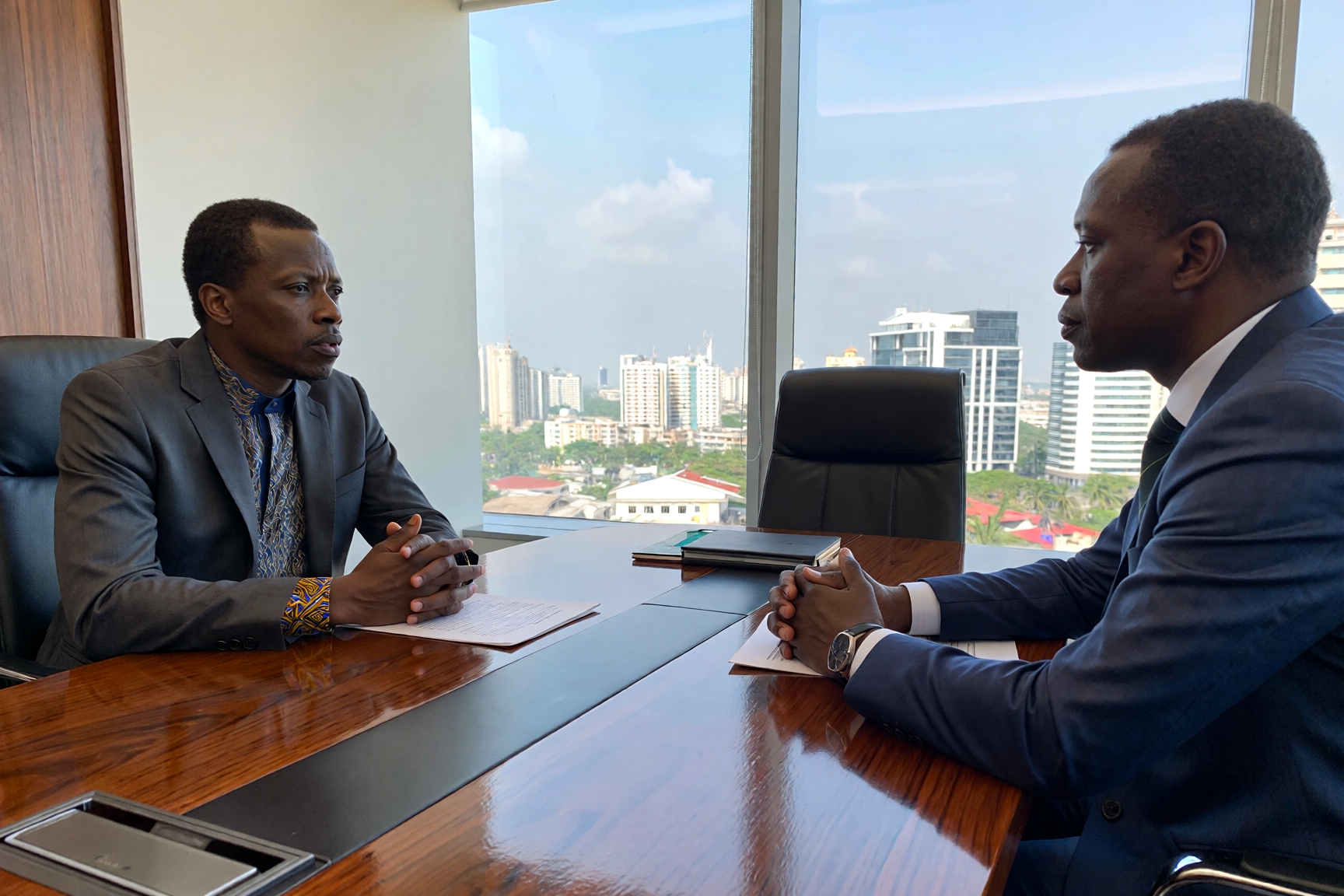
Which Country Speaks English Like Nigeria? The Direct Answer
So which country speaks English like Nigeria? Ghana comes closest, followed by Sierra Leone, Liberia, and The Gambia, all sharing West African English characteristics.
These countries exhibit similar phonological features: syllable-timed rhythm, consonant cluster simplification, and vowel systems influenced by indigenous languages. They share grammatical patterns including aspect marking through repetition, question formation structures, and similar uses of the present continuous tense.
Vocabulary innovations overlap substantially across West African English varieties. Terms like “chop” (to eat), “dash” (to give as gift), and “be-to” (fiancé) appear across multiple countries, though Nigeria’s population size means Nigerian expressions often spread more widely.
The strongest similarity exists between Nigeria and Ghana because both countries:
- Have large populations creating robust English-using communities
- Maintain similar education systems emphasising English from primary school
- Balance indigenous languages with English in comparable ways
- Share entertainment industry connections spreading linguistic innovations
- Experience similar urbanisation patterns affecting language use
However, no country replicates Nigerian English exactly. Nigeria’s sheer linguistic diversity (520+ languages compared to Ghana’s 80+) creates more substrate influences. Nigeria’s population of 220+ million dwarfs Ghana’s 33 million, generating more linguistic innovation and faster evolution of English varieties.
Beyond West Africa, some Indian English varieties share structural features with Nigerian English, both influenced by British colonial education but transformed by local languages. Caribbean English varieties occasionally show similarities, particularly in how creoles interact with standard English. But these resemblances remain superficial compared to the deep structural similarities between Nigerian and Ghanaian English.
Understanding English Proficiency Patterns Across Africa
Different metrics reveal different pictures of English proficiency across Africa. Let me present comparative data that illuminates which countries use English most similarly to Nigeria.
| Country | Population (millions) | English Status | Multilingualism Rate | Educational English Start | Urban English Dominance | Indigenous Language Count |
|---|---|---|---|---|---|---|
| Nigeria | 223 | Official/Second | 89% speak 2+ languages | Primary School | 95% in major cities | 520+ |
| Ghana | 33 | Official | 82% speak 2+ languages | Primary School | 90% in Accra/Kumasi | 80 |
| Sierra Leone | 8.5 | Official | 76% speak 2+ languages | Primary School | 85% in Freetown | 25 |
| The Gambia | 2.7 | Official | 71% speak 2+ languages | Primary School | 80% in Banjul | 10+ |
| Liberia | 5.3 | Official | 78% speak 2+ languages | Primary School | 75% in Monrovia | 30+ |
| South Africa | 60 | One of 11 Official | 85% speak 2+ languages | Primary School | 70% English dominance | 35 |
This table reveals several patterns about English use across African nations. Ghana most closely mirrors Nigeria’s linguistic landscape, with comparable multilingualism rates and similar educational approaches to English instruction. Both countries show extremely high urban English dominance, reflecting how English serves as the primary language of commerce, government, and education in major cities.
Sierra Leone and The Gambia demonstrate similar patterns on smaller scales, maintaining English as official languages whilst preserving indigenous language use in homes and communities. Liberia’s unique position as Africa’s oldest republic shows slightly different patterns, with English deeply embedded in national identity since the country’s founding by freed American slaves.
Seven Steps to Understanding English-Speaking Patterns Like Nigeria’s
If you’re trying to grasp which countries share Nigeria’s English-speaking characteristics, these seven steps will guide your understanding:
1. Examine Colonial History and Educational Systems
Start with British colonial heritage. Countries that experienced British colonisation and inherited British educational systems share foundational similarities with Nigerian English. Ghana, Sierra Leone, The Gambia, Uganda, Kenya, and Tanzania all learned English through British colonial education. However, the length and intensity of colonial education matters enormously. Nigeria’s prolonged British presence created deep English penetration into society.
The Nigerian Educational Research and Development Council develops language policies that shape how English gets taught and used. Compare these policies with other former British colonies to identify similarities and differences in educational approaches.
2. Assess Indigenous Language Diversity
Nigeria’s 520+ languages create exceptional linguistic diversity that forces English to function as a practical lingua franca. Countries with comparable diversity (Papua New Guinea with 840+ languages, Indonesia with 700+) might seem similar, but most lack Nigeria’s specific British colonial heritage combined with this diversity.
Ghana, with 80 languages, shows how moderate diversity creates similar pressures for a unifying language. Sierra Leone’s 25 languages and The Gambia’s 10+ languages demonstrate how even lower diversity still necessitates English for national communication.
Countries with single dominant indigenous languages (like Rwanda or Somalia) develop different relationships with English, using it more as a foreign language for international communication rather than an essential domestic tool.
3. Analyse Multilingualism Patterns
Nigerians typically speak three or more languages: their ethnic mother tongue, Nigerian Pidgin, and English, plus often learning other Nigerian languages for trade or marriage. This multilingual fluency creates distinctive code-switching patterns.
Ghana mirrors this pattern closely. Most Ghanaians speak their ethnic language, Twi (as a lingua franca), and English. Sierra Leoneans speak their ethnic language, Krio, and English. These parallel structures create similar linguistic behaviours.
Countries where English serves primarily as an educational subject (like many Francophone African nations learning English) don’t develop the same natural multilingual flow or creative English adaptations.
4. Consider Population Size and Urban Concentration
Nigeria’s massive population (220+ million) generates linguistic innovation at scale. Large English-using populations in Lagos (15+ million), Kano (4+ million), and Abuja (3+ million) create linguistic communities where Nigerian English evolves rapidly through constant use.
Ghana’s population (33 million) and its major cities (Greater Accra with 5+ million) create similar dynamics on a smaller scale. The density of English users in urban environments matters more than raw population numbers for understanding linguistic similarities.
Small populations might share other features but lack the critical mass for sustained linguistic innovation. Larger populations like India (1.4 billion) show different patterns because English serves different social functions.
5. Evaluate Code-Switching Practices
Nigerians switch between English, Pidgin, and indigenous languages within single conversations, often within single sentences. “That man, he’s always doing anyhow” mixes English with Nigerian grammatical structures. “Abeg, leave me make I dey go” combines Pidgin with English.
Ghana demonstrates nearly identical code-switching patterns between English, Twi, and Ghanaian Pidgin. Sierra Leone switches between English, Krio, and indigenous languages. These shared practices reveal deep structural similarities in how these populations relate to English.
Countries where English remains primarily formal and separated from daily indigenous language use (like many Francophone African nations) don’t exhibit this fluid code-switching.
6. Compare Media and Entertainment Influences
Nigeria’s Nollywood produces content in English, Pidgin, Yoruba, Igbo, and Hausa, creating models for how Nigerians speak English in different contexts. Ghana’s film industry (Ghallywood) operates similarly, producing both English and Twi content.
Countries where English-language media dominates without local production (consuming mainly American or British content) develop different English varieties that track more closely to those external models rather than developing distinctive local flavours.
The spread of Nigerian music (Afrobeats), Nigerian slang, and Nigerian internet culture influences how English gets used across West Africa and beyond, creating linguistic ripple effects.
7. Examine Language Policy and Government Use
The Nigerian government uses English for all official business, legislation, and administration. Ghana operates identically. Sierra Leone, The Gambia, and Liberia maintain the same pattern. This official status creates different linguistic dynamics than countries where English serves as one among several official languages (like India with 22 scheduled languages) or where English has no official status despite widespread use.
Government language policies revealed by the Federal Ministry of Information and National Orientation show how official support for English shapes its use in education, media, and public life. Compare these policies across countries to understand which nations share Nigeria’s linguistic landscape.
South Africa and Kenya: Superficial Similarities, Deep Differences
People often compare Nigerian English with South African or Kenyan English because all three are major African English-using nations. But the similarities remain surprisingly shallow.
South Africa recognises 11 official languages including English. English serves primarily as a second or third language for most South Africans, with indigenous languages like Zulu, Xhosa, and Afrikaans dominating home environments. Only about 8% of South Africans speak English as their mother tongue.
This creates fundamentally different dynamics. Nigerian English functions as a first language for urban educated Nigerians and a necessary second language for everyone else. South African English remains more compartmentalised, used in specific formal contexts whilst other languages dominate daily life.
Phonologically, South African English sounds completely different from Nigerian English. The accent patterns diverge dramatically, shaped by Afrikaans and indigenous South African languages rather than West African language families.
Kenya presents slightly closer parallels. English and Swahili serve as official languages, with English dominating education and government. But Swahili’s role as a national lingua franca reduces English’s necessity for daily cross-ethnic communication in ways that don’t apply in Nigeria.
Kenyan English carries East African phonological features that sound quite different from West African varieties. The intonation patterns, vowel qualities, and consonant pronunciations diverge noticeably.
The Guardian Nigeria’s analysis of English language proficiency shows how English serves different functions in different African contexts. Nigeria’s dependence on English for inter-ethnic communication exceeds that of countries with dominant indigenous lingua francas.
Caribbean English: Unexpected Parallels
Here’s something rather surprising: certain Caribbean English varieties show structural similarities to Nigerian English, though for completely different historical reasons.
Both regions experienced British colonisation. Both developed English-based creoles (Nigerian Pidgin and various Caribbean creoles like Jamaican Patois). Both maintain complex relationships between standard English and creole varieties, with speakers code-switching based on context.
The similarities end quickly, though. Caribbean creoles developed from different African language substrates (primarily Central and Western African languages mixed during the slave trade) combined with English. Nigerian Pidgin developed from specific Nigerian language substrates in contexts of trade and colonisation rather than plantation slavery.
Phonologically, some Caribbean varieties sound vaguely similar to West African English to untrained ears. Both syllable-timed rather than stress-timed. Both show similar consonant cluster simplifications. But detailed analysis reveals different vowel systems and prosodic patterns.
Grammatically, interesting parallels emerge. Both use similar aspectual marking systems. Both employ “to be” in distinctive ways. Both develop complex tense-aspect systems that differ from Standard British English whilst remaining internally consistent.
But Caribbean English operates in fundamentally different sociolinguistic contexts. Caribbean nations have smaller populations, less linguistic diversity, and different relationships between creole and standard varieties than Nigeria maintains between Pidgin and English.
Which Country in Africa Speaks the Best English?
I need to address this question directly, even though it’s rather loaded. The notion of “best” English assumes there’s a single correct English, which linguistic research soundly rejects.
If “best” means “closest to British Received Pronunciation,” then former British colonies with smaller populations and elite English-educated classes might score highest. Zimbabwe and Zambia often get mentioned for producing speakers whose English sounds remarkably British.
But that’s a colonial mindset, isn’t it? Judging African English varieties by how well they approximate British speech patterns ignores the remarkable linguistic innovation and cultural richness of varieties like Nigerian English.
If “best” means “most effective for communication and nation-building,” then Nigeria’s English might actually win. Nigerian English successfully unifies 220+ million people across 520+ languages whilst maintaining flexibility for cultural expression and innovation.
The Guardian Nigeria’s documentation of English education shows how Nigerian scholars increasingly defend Nigerian English as legitimate rather than deficient. This represents important psychological decolonisation of language attitudes.
Ghana, South Africa, and Kenya all maintain high English proficiency, but each variety serves different purposes and carries different cultural freight. Comparing them as “better” or “worse” misses the point entirely.
What African Language is Closest to English?
This question reveals a fundamental misunderstanding about language relationships. No African language is particularly close to English linguistically. English belongs to the Germanic language family, whilst African languages span multiple unrelated language families.
However, if you’re asking which African languages have been most influenced by English or which share some vocabulary through borrowing, that’s different.
Swahili has borrowed extensively from English, adopting terms like “baiskeli” (bicycle), “penseli” (pencil), and “shule” (school). But Swahili remains a Bantu language structurally, sharing no grammatical heritage with English.
Afrikaans, spoken in South Africa and Namibia, is actually a Germanic language like English, descended from Dutch. Afrikaans shares some structural features with English and includes English loanwords, making it arguably the African language most linguistically related to English. But calling Afrikaans an “African language” is politically complicated given its colonial origins.
Some Nigerian languages have borrowed English words extensively. Yoruba speakers say “tiiṣ
à” (teacher), “mótò” (motor/car), and “kámpútà” (computer). But these remain Yoruba words, adapted to Yoruba phonology and used within Yoruba grammatical structures.
The real answer? No African language is particularly close to English. They developed independently from completely different language families. The relationship between English and African languages in places like Nigeria is one of contact and mutual influence rather than genetic linguistic relationship.
Which Country Speaks Pure English?
I rather love this question because it exposes assumptions about language purity that linguistics thoroughly debunked decades ago.
There’s no such thing as “pure” English. Never has been. English itself is a mongrel language, mixing Old English (Germanic), Norman French (Romance), Latin, Greek, and borrowings from dozens of other languages throughout history.
If “pure English” means the original Anglo-Saxon tongue, then nobody speaks it. That language died centuries ago. If “pure English” means Received Pronunciation British English, then only a tiny percentage of British people speak it. Most British people speak regional varieties that deviate substantially from RP.
If “pure English” means Standard English as codified in dictionaries and grammar books, then probably nobody speaks it natively. Standard English is a written variety, a construction designed for formal communication rather than spontaneous speech.
The question reveals anxiety about correctness, about whose English counts as legitimate. These anxieties often mask class and colonial power dynamics. Elite varieties get labelled “pure” whilst working-class and post-colonial varieties get dismissed as “corrupted,” regardless of their internal linguistic sophistication.
Nigerian English is “pure” Nigerian English. It’s internally consistent, rule-governed, and perfectly suited for communication among Nigerians. It’s not broken British English any more than American English is broken British English.
Perhaps Britain speaks the English most similar to historical British English, though even that’s questionable given how rapidly British English has evolved. Perhaps New Zealand maintains conservative features other varieties lost. But “pure” English? That’s a myth, rather like asking which country speaks pure food or pure music.
The energy spent worrying about English purity could better go towards appreciating linguistic diversity and recognising that all language varieties serve their communities effectively.
Conclusion: Celebrating Linguistic Diversity Whilst Recognising Kinship
After months researching how different nations use English, I’ve reached a rather beautiful conclusion. Language doesn’t respect borders or purity. It adapts, evolves, and serves the communities that speak it.
Ghana speaks English most like Nigeria, followed by other West African nations sharing British colonial heritage and similar linguistic landscapes. But even Ghana’s English carries its own distinctive flavour, shaped by Ghanaian languages, culture, and history.
The search for countries that speak English like Nigeria ultimately reveals how unique Nigerian English has become. It’s not broken English waiting to be fixed. It’s a sophisticated linguistic system carrying Nigerian identity, worldview, and creativity. Other countries share features and patterns, but Nigerian English belongs distinctly to Nigeria.
The question “which country speaks English like Nigeria?” matters less than celebrating how Nigerians have made English their own whilst maintaining vibrant indigenous languages. That multilingual flexibility, that creative code-switching, that ability to express Nigerian experiences through English words arranged in Nigerian ways represents linguistic triumph, not failure.
Perhaps instead of asking which countries speak English like Nigeria, we should ask what Nigeria teaches the world about how languages grow, adapt, and serve human communities. The answer might surprise those who still cling to notions of linguistic purity and colonial correctness.
Key Takeaways:
- Ghana speaks English most similarly to Nigeria, sharing West African phonological features, comparable multilingualism patterns, and British colonial educational heritage, though each variety maintains distinctive cultural flavours.
- No country speaks “pure” English because linguistic purity is a myth; Nigerian English is sophisticated, rule-governed, and perfectly suited for Nigerian communication, deserving recognition as legitimate rather than deficient.
- Understanding which countries share English-speaking patterns with Nigeria requires examining colonial history, indigenous language diversity, multilingualism rates, code-switching practices, and government language policies rather than simply comparing accents or vocabulary.
Related Articles on Nigerian Language and Culture
Understanding Nigeria’s relationship with English deepens when you explore how language connects to broader cultural practices. My article examining how Nigerians communicate reveals how the country’s 520+ indigenous languages interact with English, Pidgin, and traditional communication methods like town criers and talking drums, showing how linguistic diversity shapes social interaction patterns that extend far beyond simple vocabulary choices. Additionally, what languages Nigerians speak provides comprehensive analysis of Nigeria’s multilingual landscape, covering the big three languages (Hausa, Yoruba, Igbo), Nigerian Pidgin’s role as a unifying lingua franca, and the complex code-switching practices that characterise daily Nigerian communication.
Frequently Asked Questions About English-Speaking Countries Like Nigeria
Which African country speaks English like Nigeria?
Ghana speaks English most similarly to Nigeria, sharing West African phonological features, comparable colonial educational heritage, and similar multilingual practices. Both countries use English as an official language whilst maintaining multiple indigenous languages, create similar pidgin varieties for cross-ethnic communication, and exhibit comparable code-switching patterns between English and local languages.
Which country in Africa speaks the best English?
Linguistic research rejects the notion of “best” English because all varieties serve their communities effectively; however, if “best” means closest to British English, Zimbabwe and Zambia often score highest, whilst if “best” means most effective for national unity, Nigeria’s English successfully unifies 220+ million people. The question reflects colonial attitudes that judge African English varieties by how well they approximate British speech rather than recognising their sophistication and cultural appropriateness.
Which country speaks like Nigeria?
Ghana speaks most like Nigeria linguistically, followed by Sierra Leone, Liberia, and The Gambia, all sharing British colonial heritage and West African English characteristics. However, no country replicates Nigerian communication patterns exactly because Nigeria’s specific combination of 520+ languages, Nigerian Pidgin, distinctive cultural practices, and massive population (220+ million) creates unique linguistic dynamics.
Which country speaks pure English?
No country speaks “pure” English because linguistic purity is a myth; English itself mixes Germanic, Romance, Latin, and Greek elements with borrowings from dozens of languages throughout history. If “pure” means Standard British Received Pronunciation, only a tiny elite percentage of British people speak it, whilst most English speakers worldwide use regional or national varieties perfectly suited to their communities.
What African language is closest to English?
No African language is linguistically close to English because English belongs to the Germanic language family whilst African languages span unrelated language families like Niger-Congo, Nilo-Saharan, and Afro-Asiatic. Afrikaans, a Germanic language descended from Dutch and spoken in South Africa, shares some structural features with English, making it arguably the closest African language to English, though calling it “African” is politically complicated given its colonial origins.
Is Nigerian English real English?
Nigerian English is absolutely real English, recognised by linguists as a legitimate variety with consistent internal rules, appropriate for Nigerian contexts, and perfectly capable of expressing Nigerian experiences and worldviews. Like American English, Australian English, or Indian English, Nigerian English adapted Standard English to local phonological, grammatical, and cultural contexts, creating a sophisticated linguistic system that deserves recognition rather than dismissal as broken or corrupted speech.
Do Ghanaians and Nigerians understand each other’s English?
Ghanaians and Nigerians understand each other’s English effortlessly because both varieties share West African phonological features, similar grammatical patterns, and comparable vocabulary innovations from British colonial heritage. The accent differences remain minimal compared to differences between British and American English, whilst both populations use similar code-switching practices between English and indigenous languages.
Why does Nigerian English sound different from British English?
Nigerian English sounds different because it’s been shaped by 520+ indigenous languages that influence pronunciation, rhythm, and intonation patterns, creating syllable-timed rather than stress-timed speech. Additionally, Nigerian English serves different social functions than British English, operating as a unifying lingua franca across diverse ethnic groups rather than a native first language, which affects how it evolves and adapts.
Which country has English as official language in Africa?
Twenty-four African countries recognise English as an official language, including Nigeria, Ghana, Kenya, South Africa, Tanzania, Uganda, Zimbabwe, Zambia, Botswana, Namibia, Sierra Leone, Liberia, The Gambia, Malawi, Rwanda, Mauritius, Seychelles, Cameroon (alongside French), Lesotho, Eswatini, Sudan, South Sudan, Eritrea, and Ethiopia. These countries inherited English through British colonisation, though the role English plays varies significantly across different nations.
What is Nigerian English called?
Linguists call it Nigerian English, Nigerian Standard English, or Nigerian Pidgin when referring to the English-based creole variety, though these represent different linguistic phenomena. Nigerian English refers to the variety of English used in formal contexts, government, and education, whilst Nigerian Pidgin (also called Naija or Broken English) refers to the simplified English-based creole used for cross-ethnic communication.
Do all Nigerians speak English?
Not all Nigerians speak English fluently; English proficiency varies dramatically by education level, urban versus rural location, and social class, with urban educated Nigerians speaking fluently whilst many rural Nigerians speak little or no English. However, most Nigerians have at least passive understanding of English through media exposure, education, and government communication.
Is Nigerian Pidgin the same as Nigerian English?
Nigerian Pidgin and Nigerian English are different linguistic systems; Nigerian English is the variety used in formal education, government, and professional contexts with grammar closer to Standard English, whilst Nigerian Pidgin is an English-based creole with simplified grammar, indigenous language influences, and widespread use as a lingua franca for informal cross-ethnic communication. Most educated Nigerians code-switch between both varieties depending on context.

