
GDN SIDEBAR
Fasting is not just about staying away from food. It is about discipline, balance, control, and nourishment. Fruits, when chosen wisely, can support both your body and your spiritual intention.
Islam encourages moderation and simple, wholesome foods. Modern nutrition science supports that same principle. When you combine the two, you get a practical guide to fruits that genuinely help during fasting.
Fruits for suhoor: Sustained energy and hydration
For Sahoor, the goal is slow energy release, hydration, and stability. You are preparing your body for many hours without food or water, so quick sugar spikes are your enemy.
Bananas

Bananas are one of the strongest choices for suhoor. They are rich in potassium, which helps prevent muscle cramps and weakness during long hours of fasting. They also contain natural carbohydrates that digest at a moderate pace, especially when paired with protein like yoghurt or eggs.
Apples

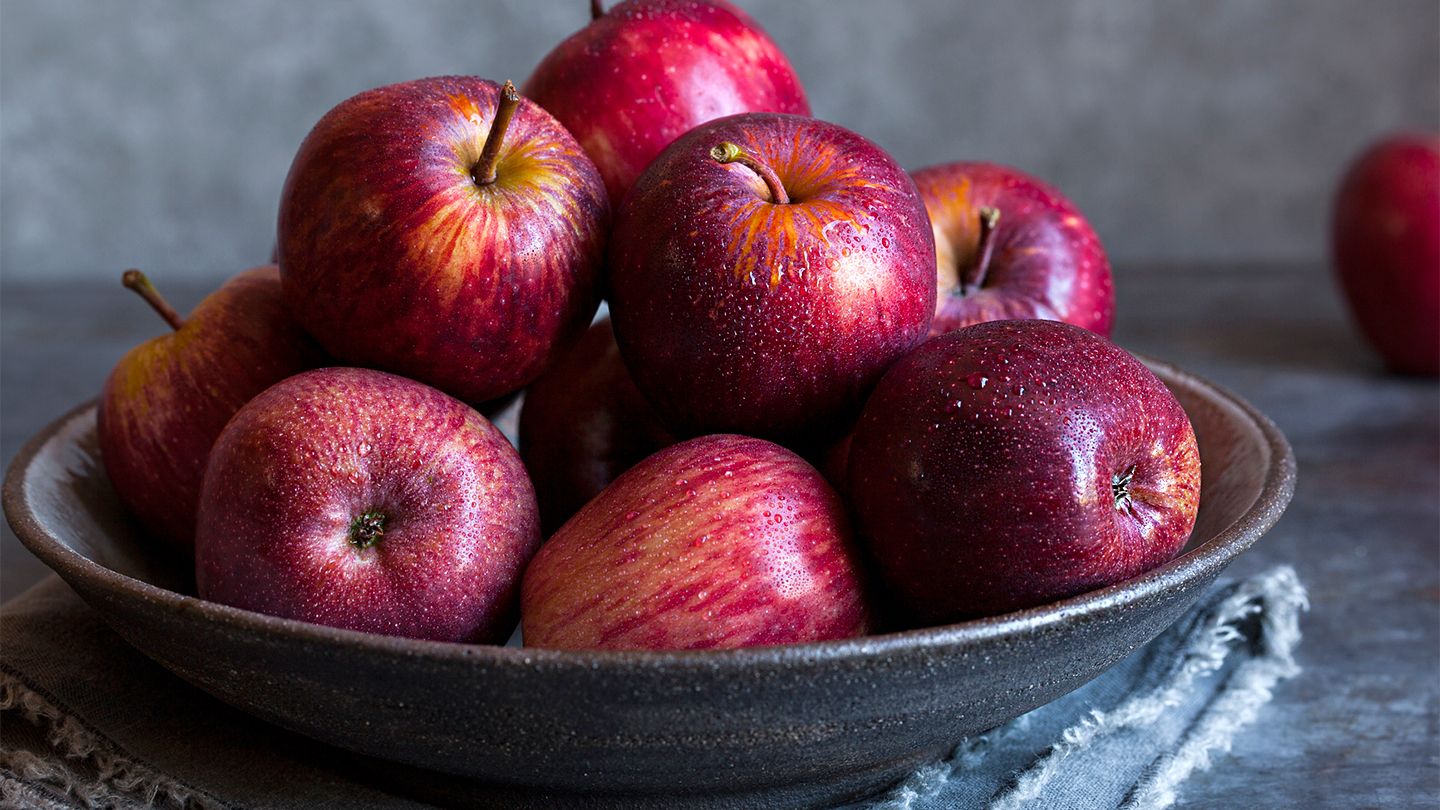
Apples are high in fibre, particularly soluble fibre called pectin. Fibre slows digestion and keeps you fuller for longer. They also contain a good amount of water, which supports hydration.
If you eat apples at suhoor, avoid peeling them. The skin contains much of the fibre. Removing it reduces their benefit.
Pears
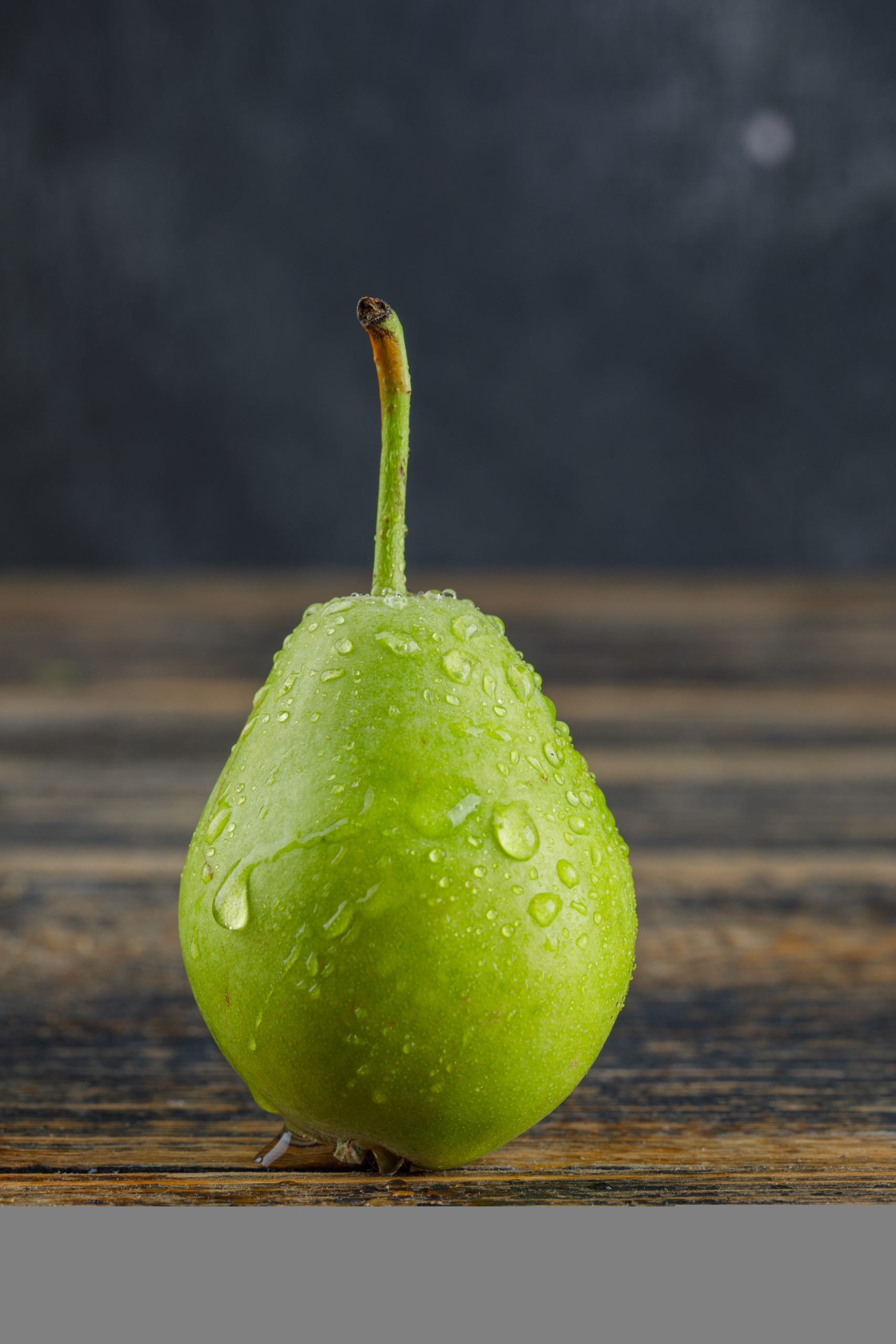
Pears are even higher in fibre than apples and contain significant water content. They help reduce the risk of constipation, which is common during Ramadan due to changes in eating patterns.
Avocado
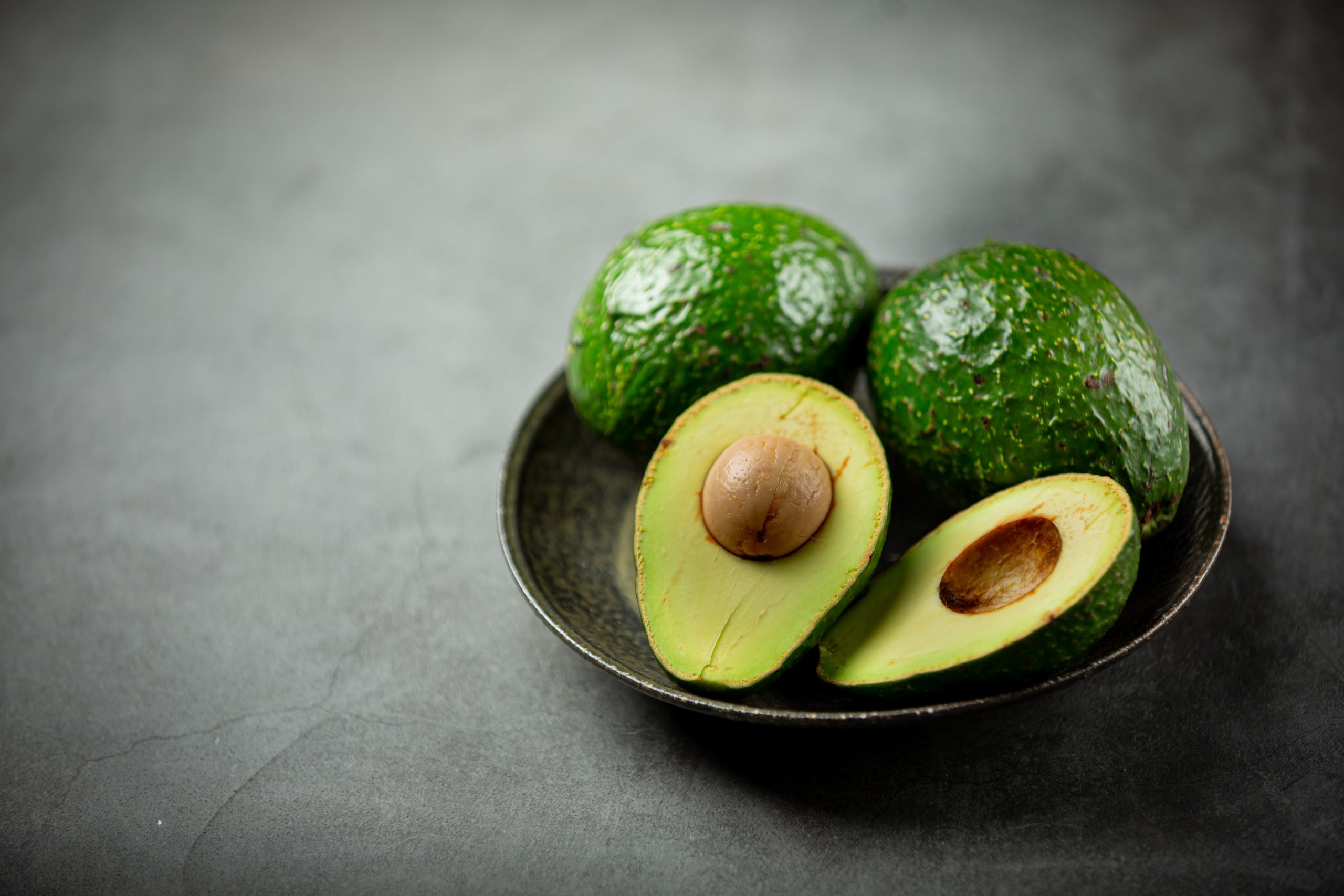
Many people overlook avocado because it is not sweet. Avocado is rich in healthy fats, which slow down digestion and provide long-lasting energy.
From a scientific perspective, healthy fats stabilise blood sugar levels. That means fewer energy crashes. While avocado is not specifically mentioned in Islamic tradition, it aligns strongly with the principle of nourishment and moderation encouraged in Islam.
Berries
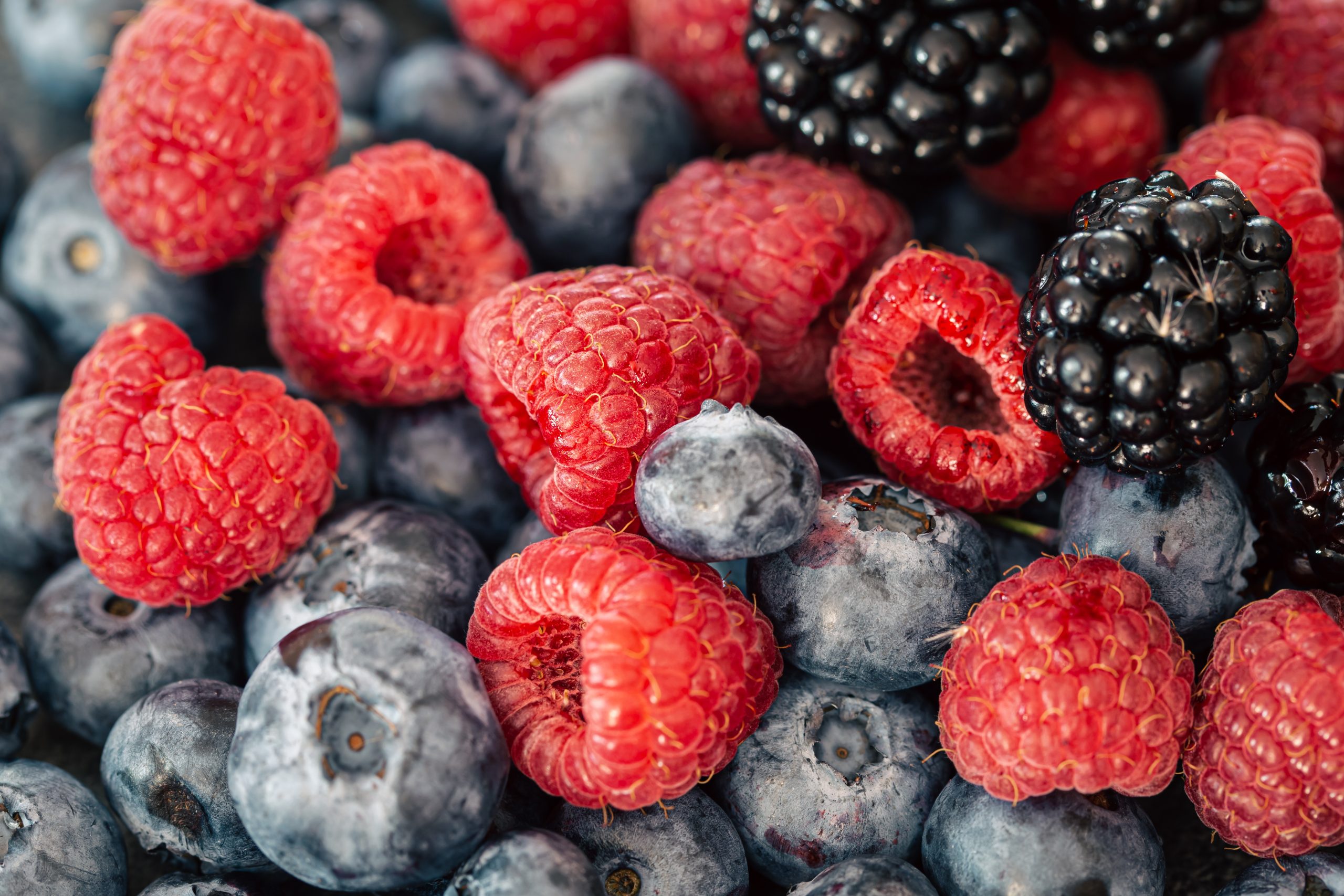
Strawberries, blueberries and raspberries are lower in sugar than many other fruits and rich in antioxidants. They support overall health and provide fibre without causing sharp spikes in blood sugar.
They are best eaten with oats or yoghurt at suhoor.
Fruits for iftar: Quick recovery and Sunnah guidance
Iftar is different. Your body has been without fuel for hours. Blood sugar is low. Hydration is low.
Dates – the Sunnah fruit
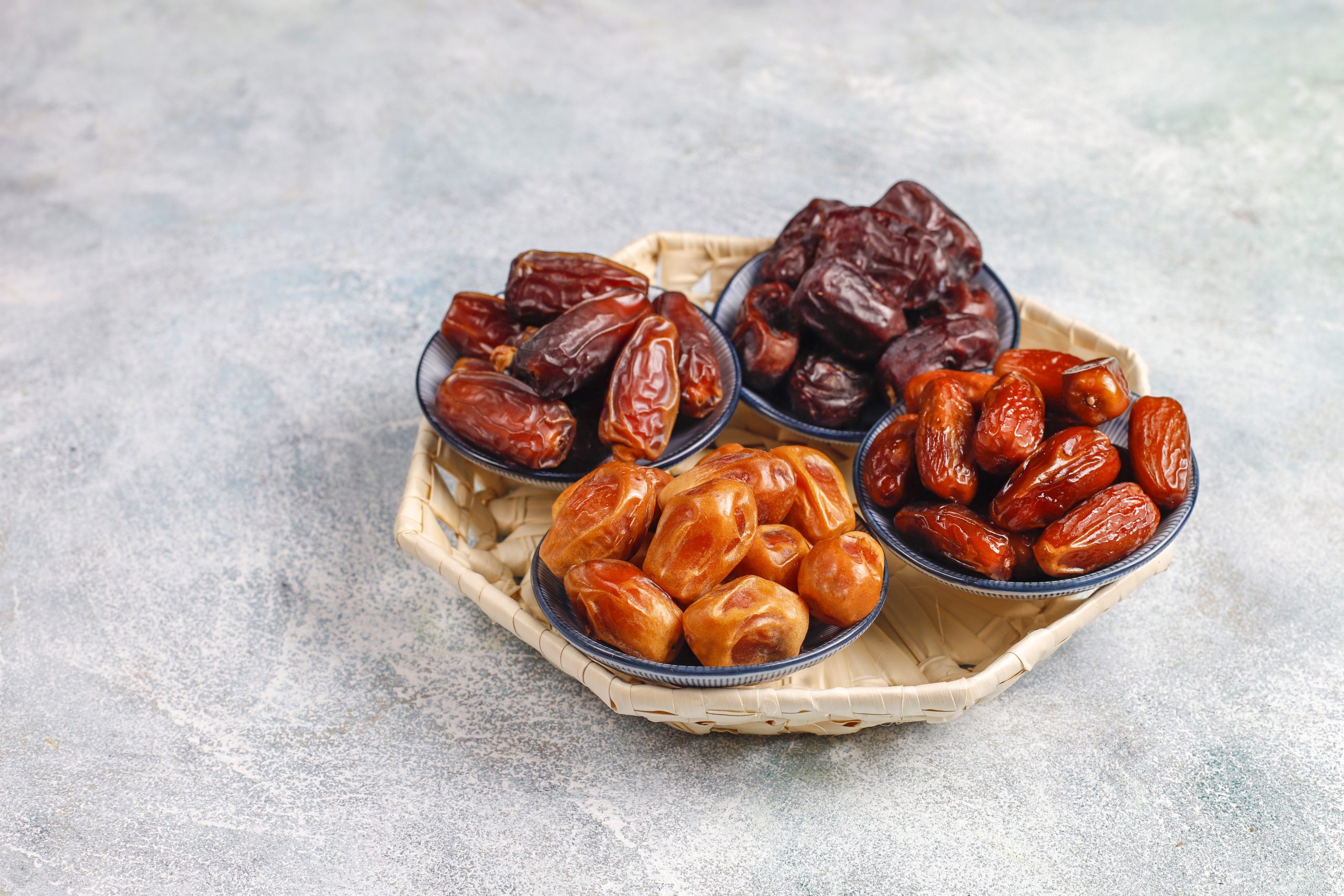
The most important fruit for iftar is the date. The Prophet Muhammad (peace be upon him) used to break his fast with fresh dates. If fresh dates were not available, he would use dry dates, and if those were not available, he would drink water.
This practice is both spiritually significant and scientifically sound.
Dates contain natural sugars such as glucose and fructose, which are quickly absorbed and restore energy levels almost immediately. They also contain potassium, magnesium and fibre. Breaking the fast with dates gently raises blood sugar without shocking the system.
However, moderation matters. Three dates are sufficient. Don’t turn iftar into a sugar feast.
Watermelon
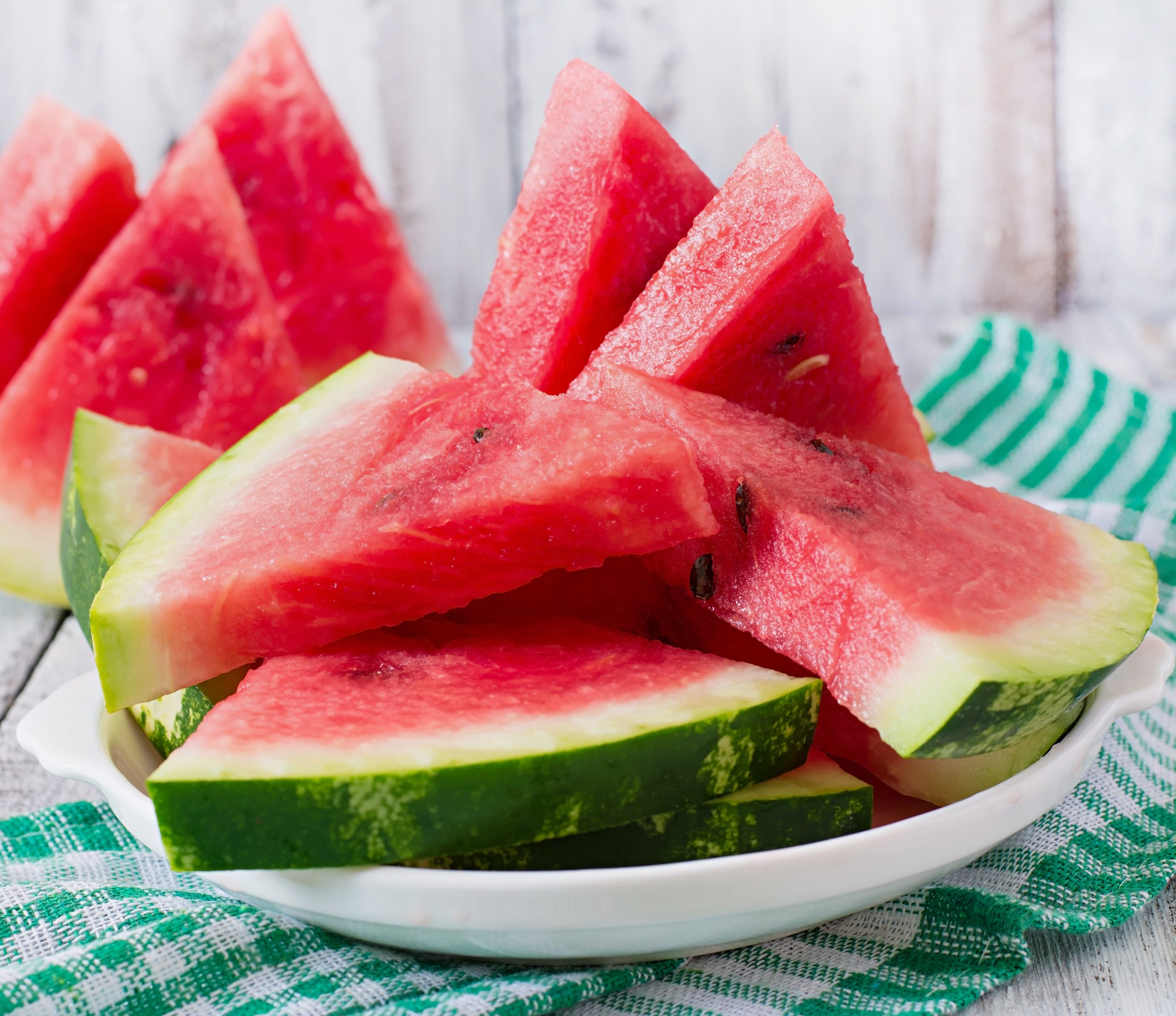
Watermelon is extremely high in water content. After a long fast, hydration is a priority. Watermelon also contains electrolytes and small amounts of natural sugar that help recovery without overwhelming digestion.
Oranges and other citrus fruits
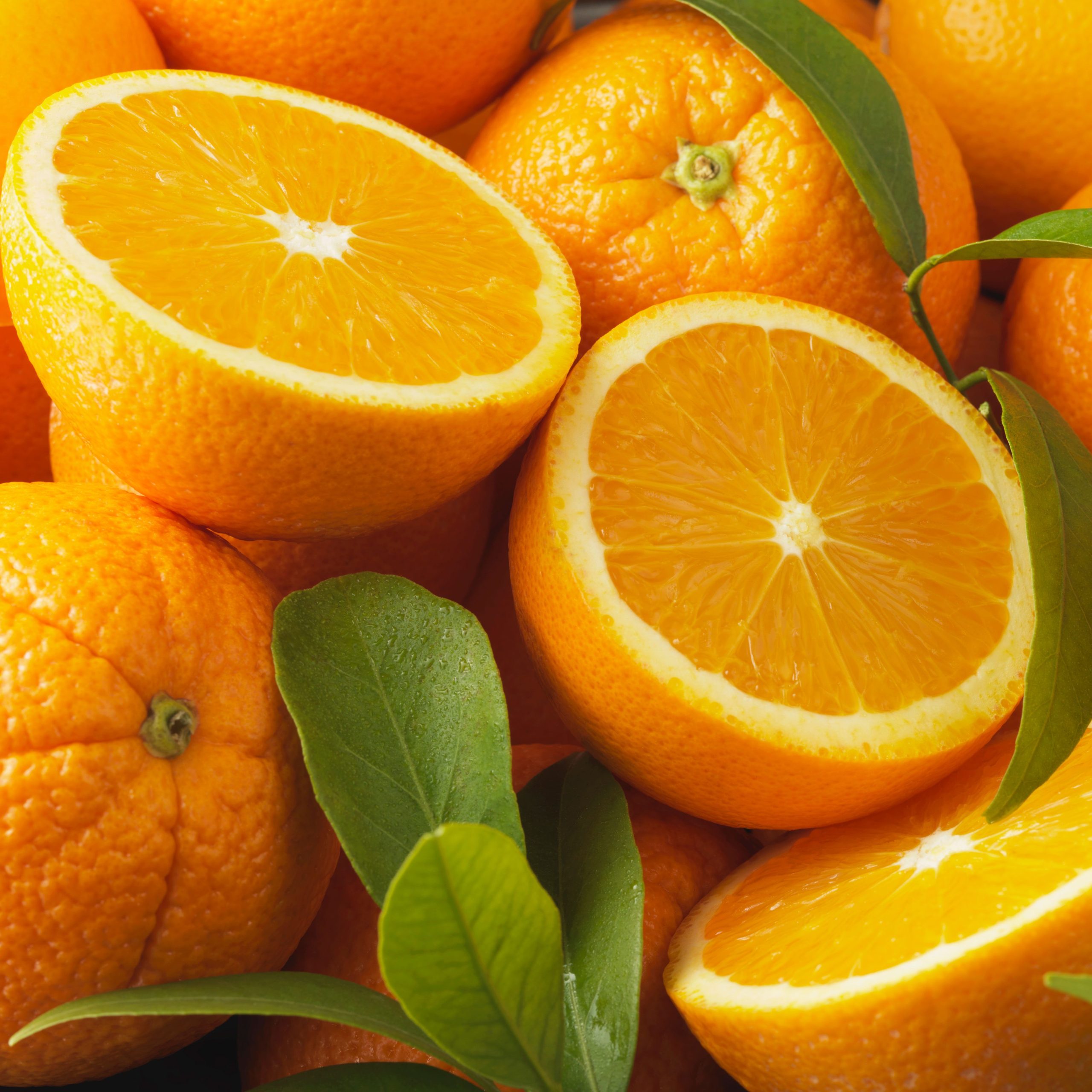
Oranges are rich in vitamin C and water. They help rehydrate the body and support immunity. Citrus fruits also stimulate digestion gently after a long period without food.
Avoid drinking heavily sweetened orange juice. Eat the fruit whole to benefit from the fibre.
Grapes
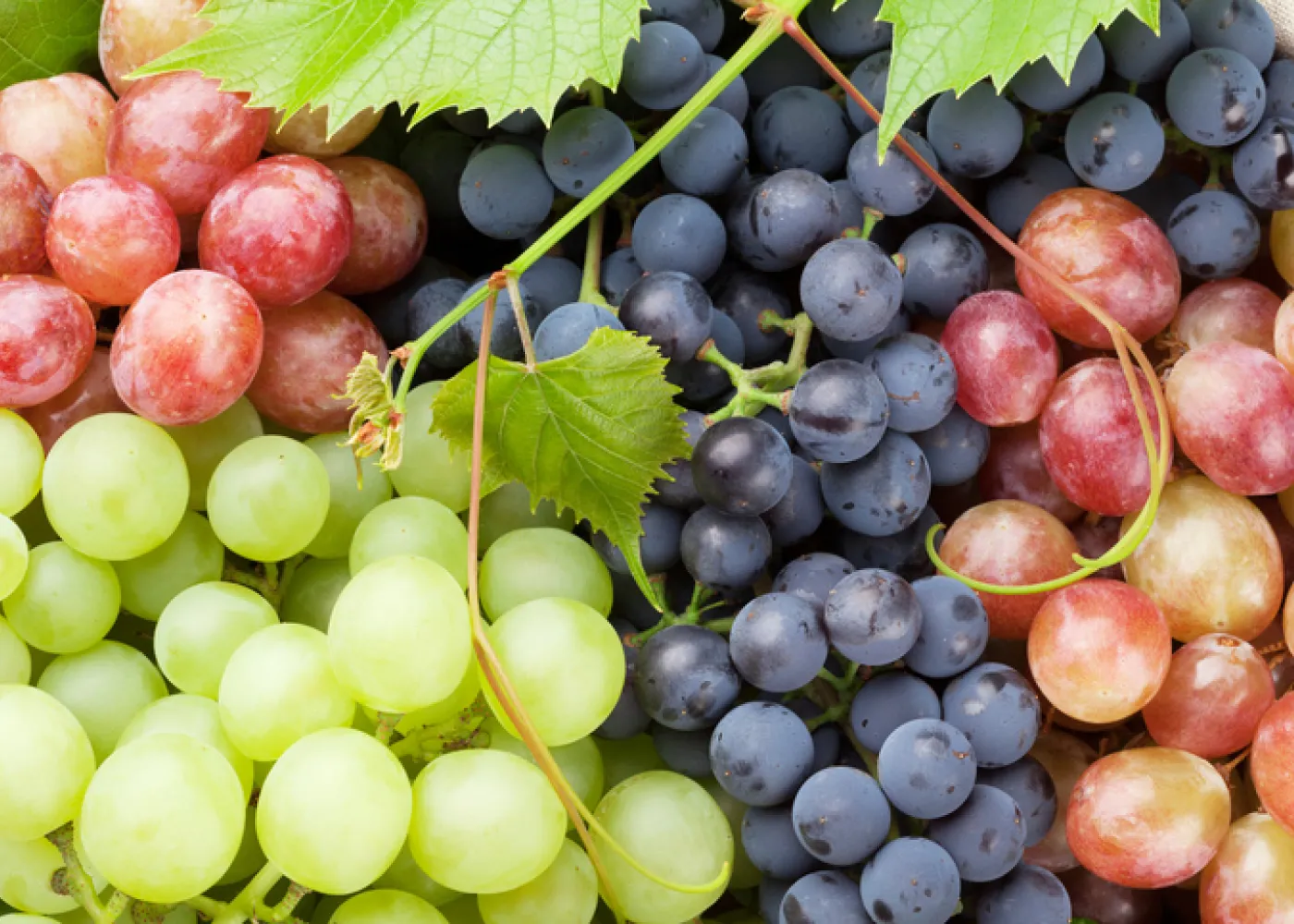
Grapes provide quick natural sugars and hydration. They are easy to digest and useful for restoring energy. But again, eat in moderation. Too many will lead to a sugar spike.
Pomegranate
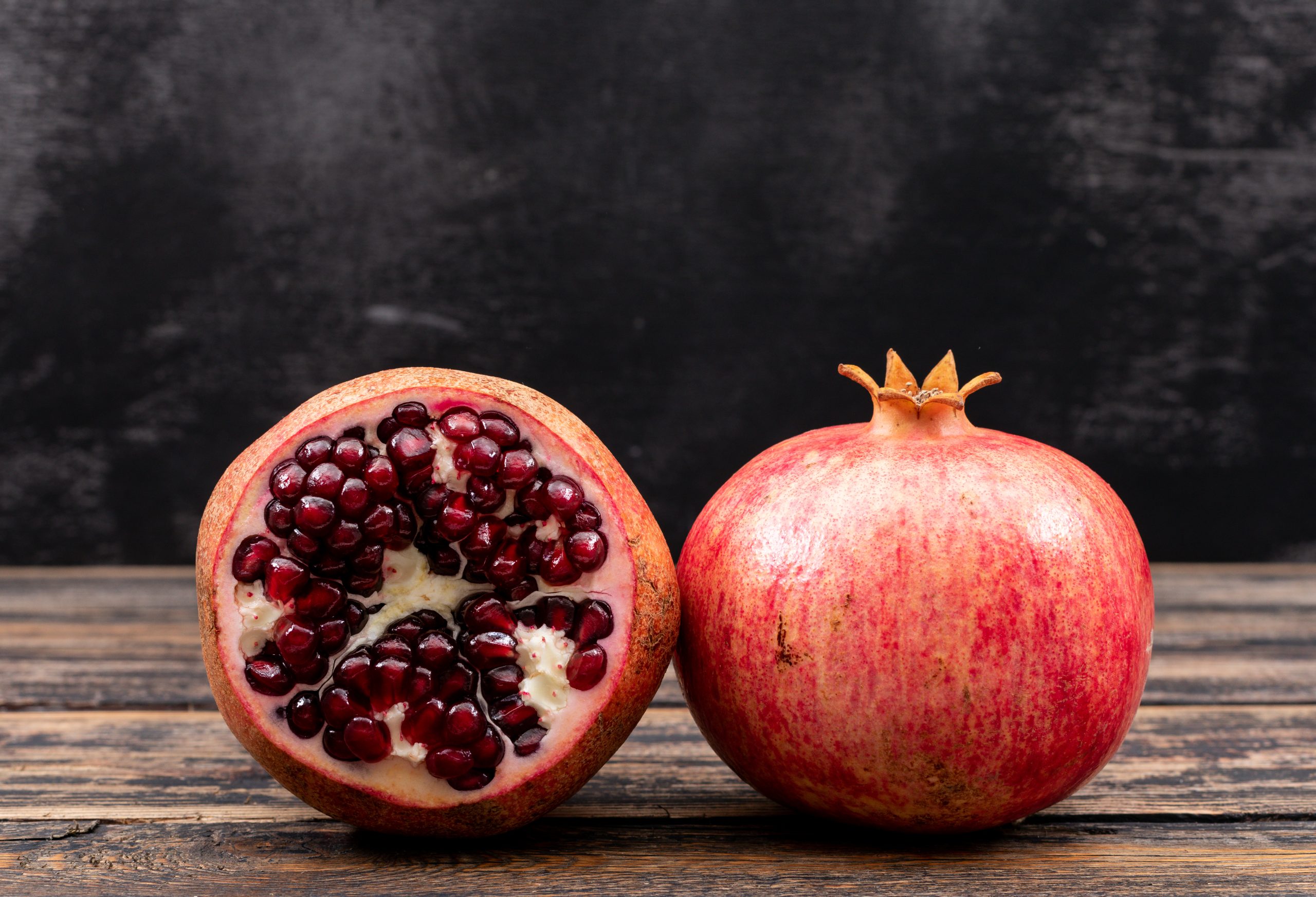
Pomegranate has strong antioxidant properties and contains fibre and natural sugars. It is referenced in the Qur’an as one of the fruits of Paradise, which gives it spiritual value in Islamic culture.
What to avoid
At suhoor, avoid eating large amounts of very sweet fruits alone, such as mangoes or ripe pineapples. They digest quickly and may leave you feeling hungry earlier in the day.
At iftar, avoid blending fruits with large amounts of added sugar.
Islam emphasises moderation. The Prophet Muhammad (peace be upon him) discouraged overeating. Scientifically, overeating at iftar leads to sluggishness, acid reflux and poor sleep.
Fasting is an act of worship, but it is also a physical discipline. Choosing the right fruits supports both your ibadah and your health.