 Follow Us on Google News
 Follow Us on Google Discover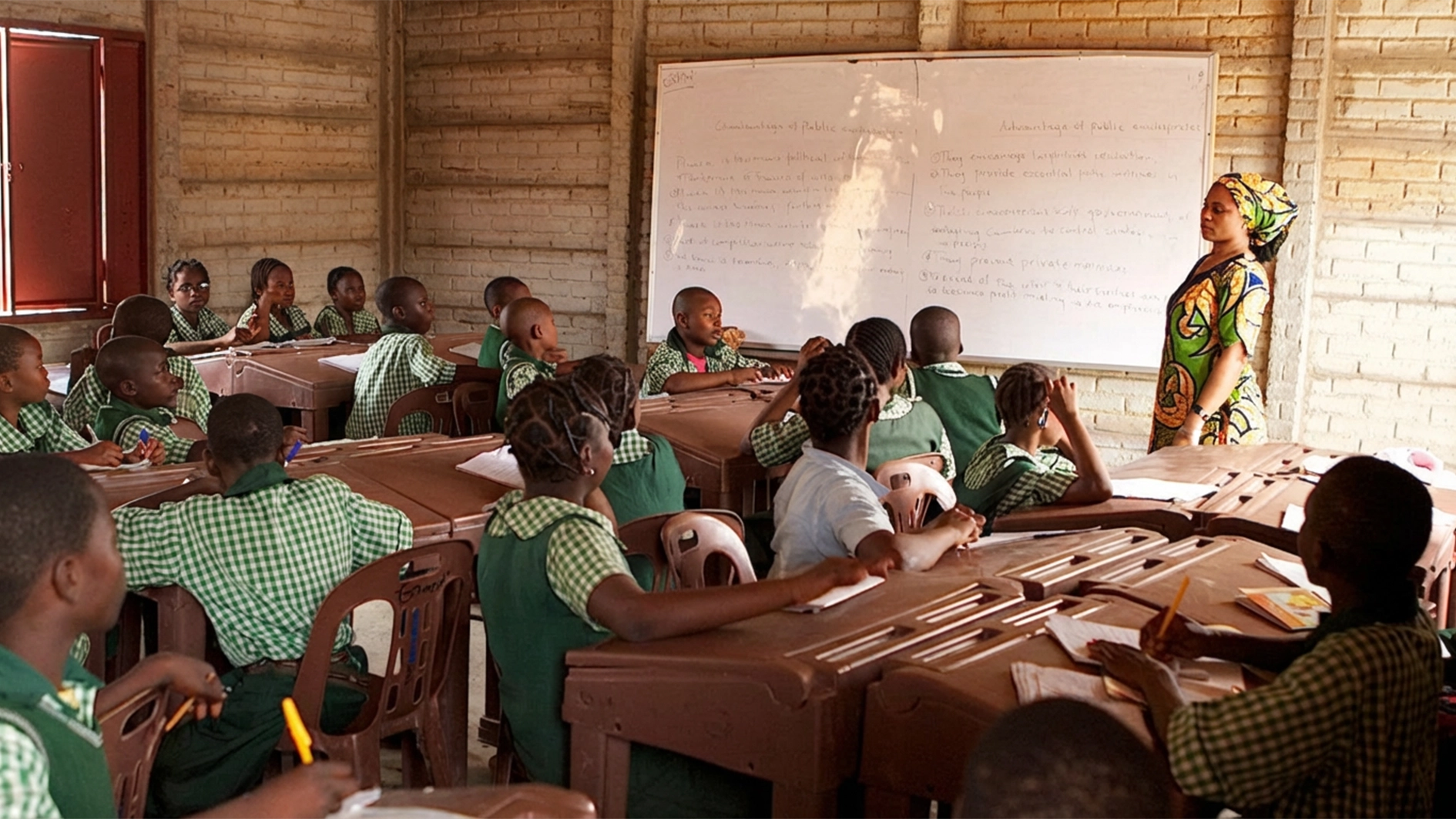
A game-based learning pilot programme in Oyo State has reached 50,000 pupils across 20 public primary schools, with organisers reporting a 15 per cent increase in the number of participating pupils transitioning into secondary school or vocational training.
The initiative, implemented by Solve Education! Nigeria, followed an official endorsement from the Oyo State Ministry of Education, Science and Technology in May 2021, granting approval for the deployment of Ed the Learning Bot across selected public primary schools in Ibadan North West and Ibadan South West Local Councils.
According to implementation records provided by the organisers, of the 50,000 pupils reached, approximately 35 per cent were girls, with schools selected to reflect a mix of urban and peri-urban communities.
At the time, the programme was introduced as a no-cost intervention, with the ministry approving a micro-scholarship structure that ensured students, parents, and participating schools incurred no financial burden.
According to documents issued by the Ministry’s Schools Department, the approval allowed the platform to be used within public schools as part of a pilot focused on improving English literacy and foundational learning skills through interactive digital content.
A senior education official familiar with the programme, Mrs. C.O Bolaji, who represented the Commissioner for Education, Mr. Abdulrahman Abduraheem, said the initiative aligned with the ministry’s objective of exploring complementary learning approaches that support student development beyond conventional classroom instruction.
Education administrators involved in the pilot said the game-based format helped sustain student engagement, particularly among learners who had previously struggled with participation.
A teacher at Ebenezer African Church Primary School, one of the participating schools, Mrs. Adegeye, recalled noticeable changes in classroom dynamics.
She said: “Some of the pupils became more confident speaking in English, and their test scores improved modestly over time. More importantly, they were eager to participate.”
By 2025, education records reviewed by programme partners indicated the 15 per cent increase in the number of participating pupils transitioning into secondary school or vocational training pathways, compared with baseline figures from similar schools in the area.
One former participant, now enrolled at Government College Ibadan, who preferred not to be named, said that the programme helped him overcome shyness and develop leadership skills.
The organisation’s Country Director, Oladimeji Ojo, said the Oyo pilot played a formative role in shaping its approach to large-scale, low-cost education delivery.
He said: “Working within a public school system helped us understand how to design tools that teachers can integrate alongside existing curricula, rather than operate in isolation.”
Ojo added that lessons from the Ibadan pilot informed later expansion efforts, noting that the organisation has grown from serving 200,000 learners to 4.5 million.

