 Follow Us on Google News
 Follow Us on Google Discover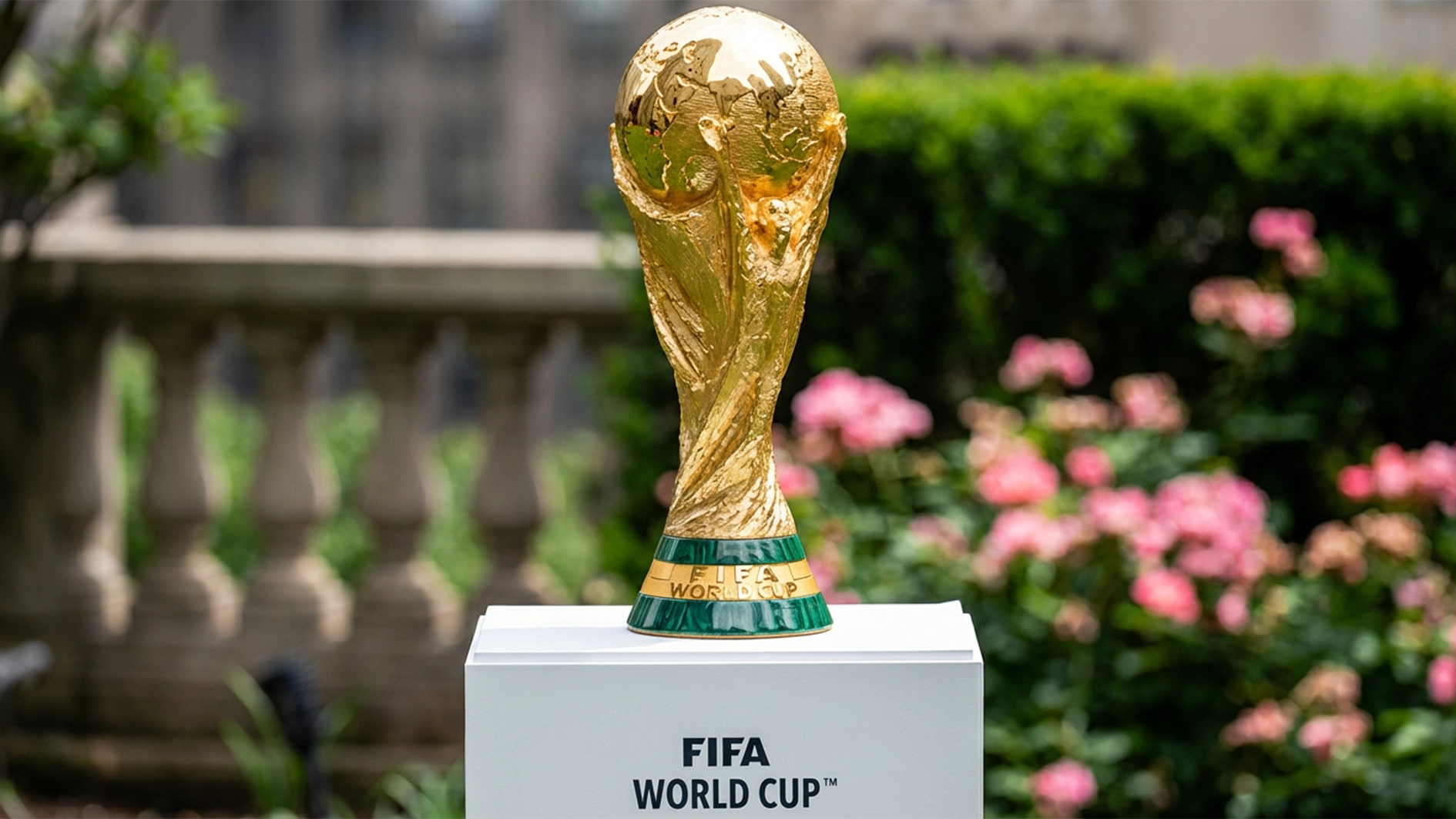
25 soldiers killed
With less than four months to the 2026 World Cup, what appears another major ‘dilemma’ for World football governing body (FIFA) may have occurred following waves of violence across major cities in Mexico.
The waves of Violence, which erupted in several states in Mexico after one of the most powerful cartel leaders, Nemesio Rubén Oseguera Cervantes, was killed in military operation, is yet to die down. About 25 soldiers were reported to have been killed as at yesterday evening.
Cervantes, popularly known as ‘El Mencho,’ who was the boss of the Jalisco New Generation Cartel (CJNG) was eliminated on Sunday, and in violent retaliation, the cartel launched coordinated ‘narco-blockades’ across over 15 states, paralysing highways and forcing schools to close.
The cartel burned down buses and buildings in states, including Jalisco, Colima, Michoacan, Nayarit, Guanajuato and Tamaulipas.
Jalisco’s capital, Guadalajara, which will host several matches in the 2026 FIFA World Cup, was turned into a ghost town on Sunday night, with videos circulating on social media showing people sprinting through the Guadalajara airport in panic and smoke billowing over the tourist city of Puerto Vallarta.
Some of the burnt vehicles line highway near Mexican World Cup stadium, sparking security concerns as some local matches were postponed at the weekend. There were also international travel warnings. Schools were shut down yesterday (Monday) in several states.
The current ‘Code Red’ security crisis across Mexico, added to the stricter U.S. immigration, visa, and border policies under the President Donald Trump’s administration, are creating significant logistical and reputational challenges for FIFA’s 2026 World Cup.
To many stakeholders, the latest wave of violence in Mexico and U.S. border policies, including increased visa fees, potential travel bans for 39 nations, is a major threat that may deter international fans and athletes from attending the World Cup. It could have negative impact on match attendance, a key factor in FIFA World Cup.
Many football fans across the globe are waiting to know the steps FIFA will take. While some want FIFA to move all 2026 World Cup matches in Mexico to the United States or Canada, others want the football governing body to closely study the situation.

Mexican security forces killed ‘El Mencho,’ a drug lord who led one of the most powerful criminal organisations in the country.
The Mexican Secretariat of National Defence said ‘El Mencho’ was wounded in a clash with soldiers in the town of Tapalpa, in Jalisco state, on Sunday and died while being flown to Mexico City. He had been on the wanted list from the United States with a $15million bounty on his head.
Meanwhile, FIFA, yesterday, unveiled the official match schedule for the FIFA Series 2026, confirming fixtures for the expanded international friendly tournament set to take place during the March and April 2026 international match window.
The release marks another key milestone in the growth of the FIFA Series, an initiative approved by the FIFA Council in December 2022 as part of FIFA’s Strategic Objectives for the Global Game: 2023–2027.
The programme is designed to promote the development of men’s and women’s national teams by facilitating competitive matches between countries from different confederations that rarely meet on the international stage.
Building on the success of its pilot edition in 2024, the 2026 tournament will feature 48 national teams — men’s and women’s combined — representing nearly a quarter of FIFA’s 211 Member Associations.
The teams will compete in 12 groups of four, hosted by 11 FIFA Member Associations across multiple regions. Rwanda will stage two of the groups.
Nine groups will involve men’s national teams, while three groups will feature women’s national teams. All six FIFA confederations will be represented, underscoring the global reach of the initiative.
According to FIFA, the Series aims to bring together teams with varied competitive profiles, ranging from established international sides to emerging football nations. The competition is structured to provide meaningful international exposure while enhancing technical, tactical and administrative capacity across federations.

