 Follow Us on Google News
 Follow Us on Google Discover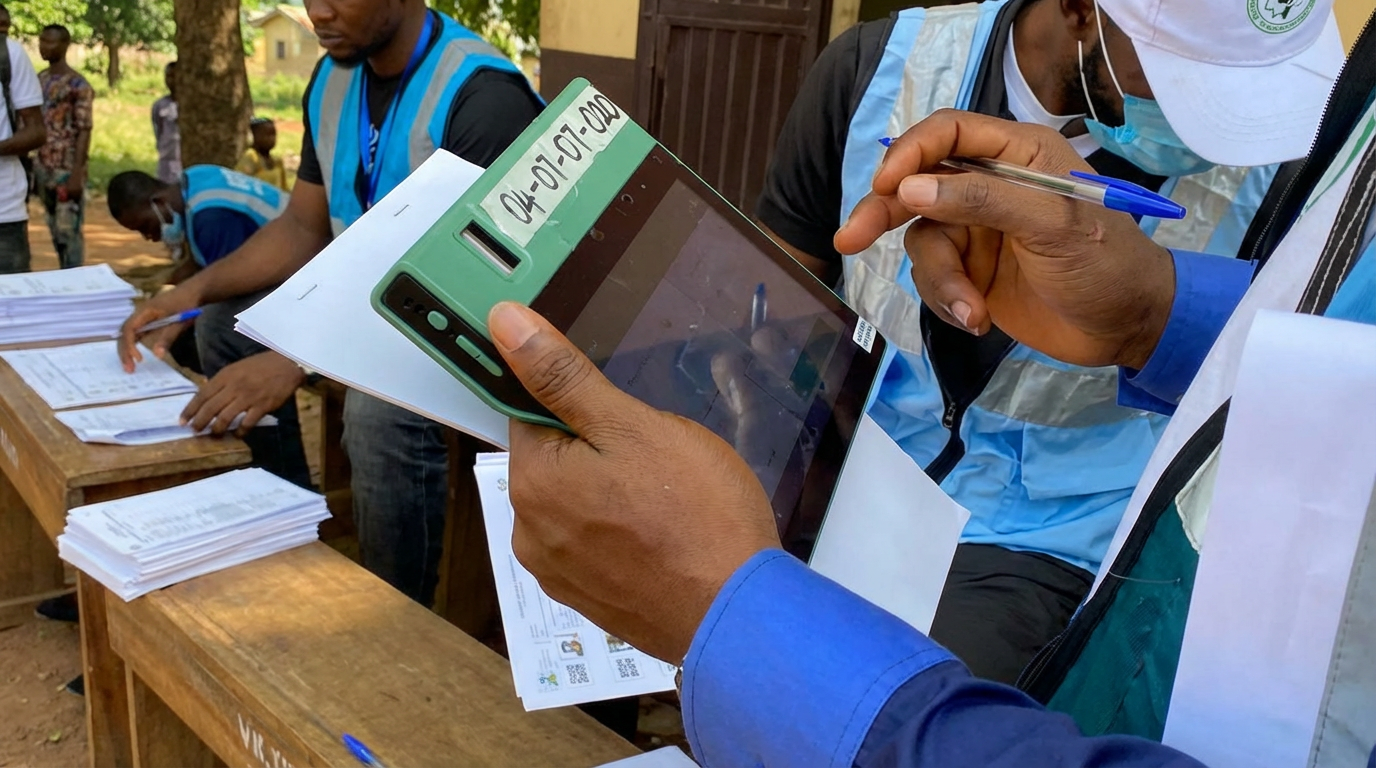
This column is in complete agreement with any step that will make for transparency in our elections.The point the National Assembly didn’t buy was the issue of electronic transmission in real time.
The argument pressing for transmission in real time has been eloquently made. If real time support transfers to our aged parents back in the villages hardly fail, why should real time transmission of vote count tally forwarded with more powerful INEC gadgets fail? Let the law be there.
Yes, anything mechanical or electronics can sometimes fail, but transmission cannot suffer cliches in the course of uploading to IREV in all the numerous polling centres across the country and in all 774 local councils of the country at the same time.
And just in case, there is no harm in having the voting result forms also manually filled as standby remedial measures. The counting is manually done in the presence of party agents or interested voters who stay behind after casting their votes and simply want to know which candidate and which party are coasting home to victory.
Party agents have copies of the result. If there is foul alteration in the hand of X party agent, that cannot be the case with results agents of Party W, X, Y, Z have in their possession for their principals. If what has been transmitted has been tampered with, hacked or illegible, results with the party agents and their principals can easily come handy to authenticate what all have as the correct results and effect corrections.
The point I am driving at, therefore, is that we need electronic real time transmission and we need manually recorded forms, copies of which are in the hands of party agents and the party candidates themselves. One device does not disturb the other. What we are yet to face is the human character in which INEC clerks/returning officer, overwhelmed by local sentiment shows voters the party to thumb-print! This usually occurs in very remote villages and party agents look away!


