 Follow Us on Google News


 Follow Us on Google Discover
The President of the Nigeria Tennis Federation, Victor Ochei, says that rebuilding Nigeria’s long-fading tennis dominance now hinges less on isolated match victories, but on deep institutional reforms, grassroots rebuilding and credible administration.
In a statement made available to The Guardian in Asaba by his media aide, Austin Edemodu, Ochei said restoring a “winning culture” must go beyond trophies to include rebuilding player confidence, strengthening youth development systems, attracting corporate sponsorship, guaranteeing international exposure and enforcing transparency within tennis governance.
Importantly, Ochei has built upon the foundation laid by his predecessor, the late Ifedayo Akindele (Akinjobi), ensuring continuity rather than disruption.
“This blend of consolidation and innovation is gradually restoring a winning culture within the federation,” he stated.
According to Ochei, early signs suggest the reforms are beginning to gain traction, with renewed optimism among players, coaches and stakeholders who had long complained about neglect.
He pointed to Nigeria’s qualification for the Davis Cup World Group I, which featured 25 of the world’s competitive tennis nations as the clearest indicator of revival, noting the country is returning to elite competition after nearly four decades on the margins.
“For nearly four decades, Nigeria’s return to the upper echelon of global tennis competition seemed like a distant dream. That long wait has now been broken under the leadership of Victor Ochei, as the country reclaims its place in the prestigious Davis Cup World Group I, a stage it last graced in the late 1980s.
“The current national squad, led by Nigeria’s number one Daniel Adeleye, alongside Canice Abua, Michael Emmanuel, Alafia Ayeni, and Bulus Christopher, represents what the federation describes as a technically improved and mentally resilient generation prepared for global competition,” he said.
Ochei attributed part of the federation’s renewed momentum to alignment with the sports-economy ambitions of President Bola Ahmed Tinubu and the broader development framework of the National Sports Commission, led by Shehu Dikko and Bukola Olopade.
Ochei said the cooperation between federation leadership and national sports authorities has created a more enabling environment for investment, structured competition planning and international participation.
NTF boss hinges Nigerian tennis’ future on reforms, structural reset
Date: 27 February 2026 2:30am WAT
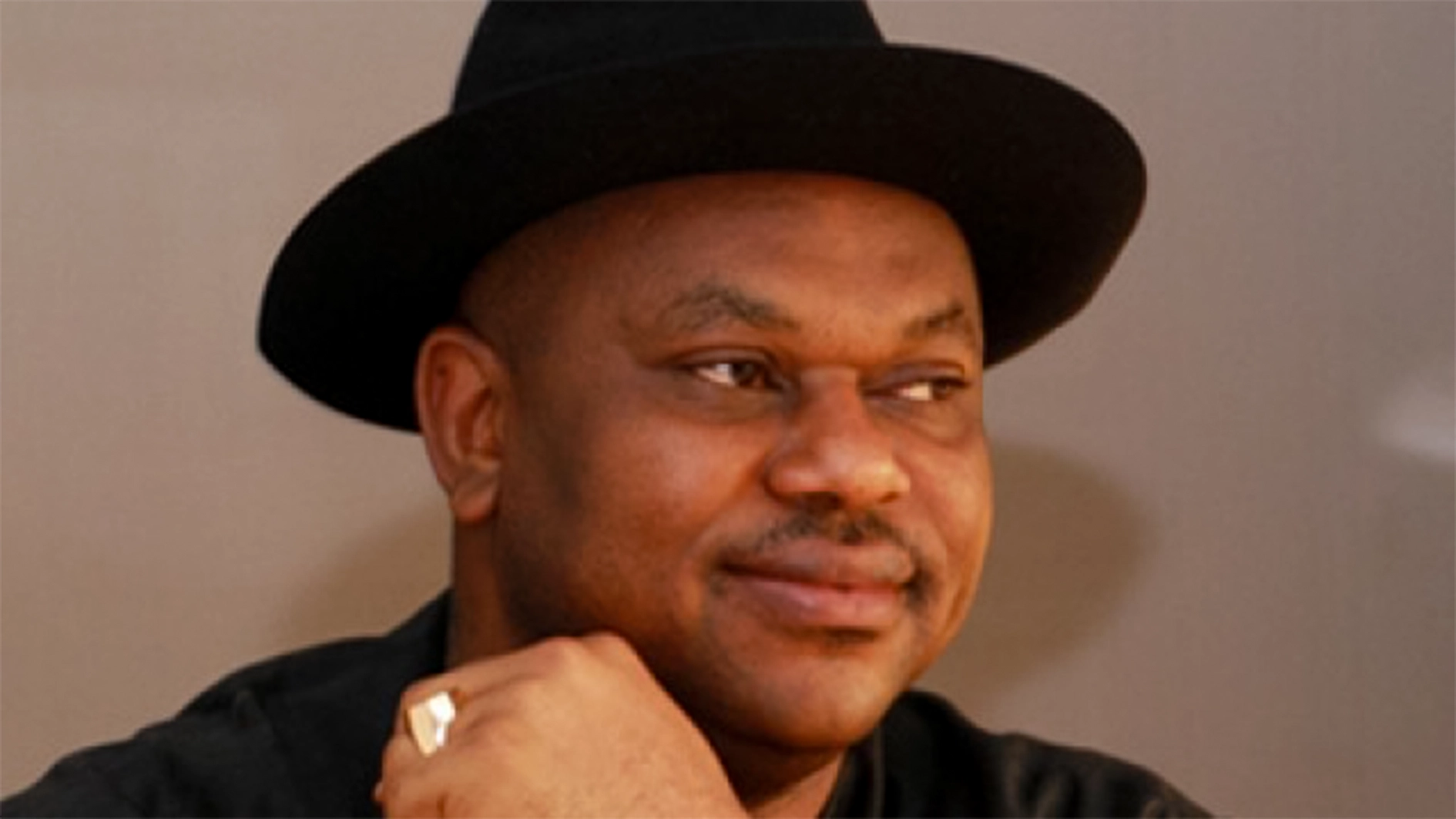
Victor Ochei
Victor Ochei

