 Follow Us on Google News
 Follow Us on Google Discover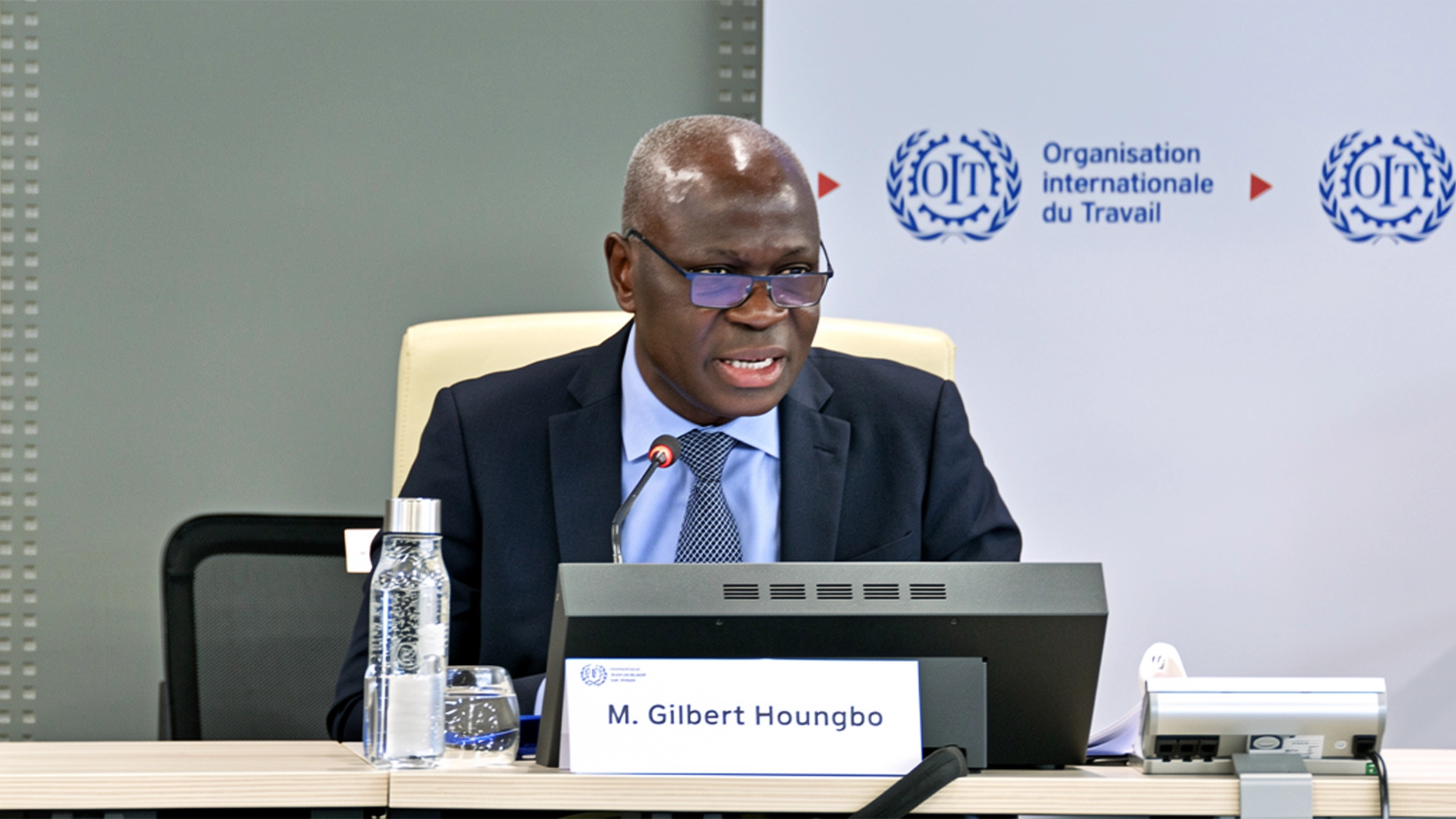
With the cost of living rising and poverty remaining persistent, the International Labour Organisation (ILO) has underlined the need for economies to foster social justice and fair employment, stating that they are the foundation of social cohesion and an investment in countries’ long-term stability and prosperity.
ILO Director-General, Gilbert Houngbo, in an address to the informal meeting of the Ministers for Employment and Social Affairs (EPSCO) and also to mark the World Day of Social Justice, argued that living wages are essential to advance social justice.
Houngbo emphasised that fair employment must be rooted in international labour standards, ensuring adequate social protection, fair wages, opportunities for skills development, and reducing inequalities.
With the era of demographic shifts and the green and digital transitions, the ILO boss said they are necessary and urgent, noting that policymaking is essential to ensuring that the transitions are just and sustainable.
Without deliberate policies, Houngbo warned that the risks of exclusion, regional disparities, and social resistance would grow.
He called for fair employment and just transitions to ensure that economic transformation was socially sustainable, stressing that social dialogue was indispensable for designing effective policies and maintaining trust during periods of change.

“Countries with strong dialogue systems are consistently better equipped to manage shocks and recover inclusively,” he said.
Houngbo urged nations to reaffirm their commitment to social justice, democratic resilience, and shared prosperity, adding that they renew their global commitment to social development and cooperation.
Marking the day in Nigeria, the civil society group, ActionAid, said the day reminds us that fairness is not automatic but built through action, consistency, and collective courage.
The group argued that across Nigeria, many communities are still pushing through hunger, inequality, and limited access to opportunity.
According to it, women and girls are often the hardest hit, not because they lack strength, but because systems continue to fail them.
At ActionAid Nigeria, it said social justice means standing with communities as they demand dignity, food security, education and a voice in decisions that shape their lives.
It called for support for women and young people to lead change from where they are through long-term solutions that tackle hunger, inequality, and injustice at the root.

