 Follow Us on Google News
 Follow Us on Google Discover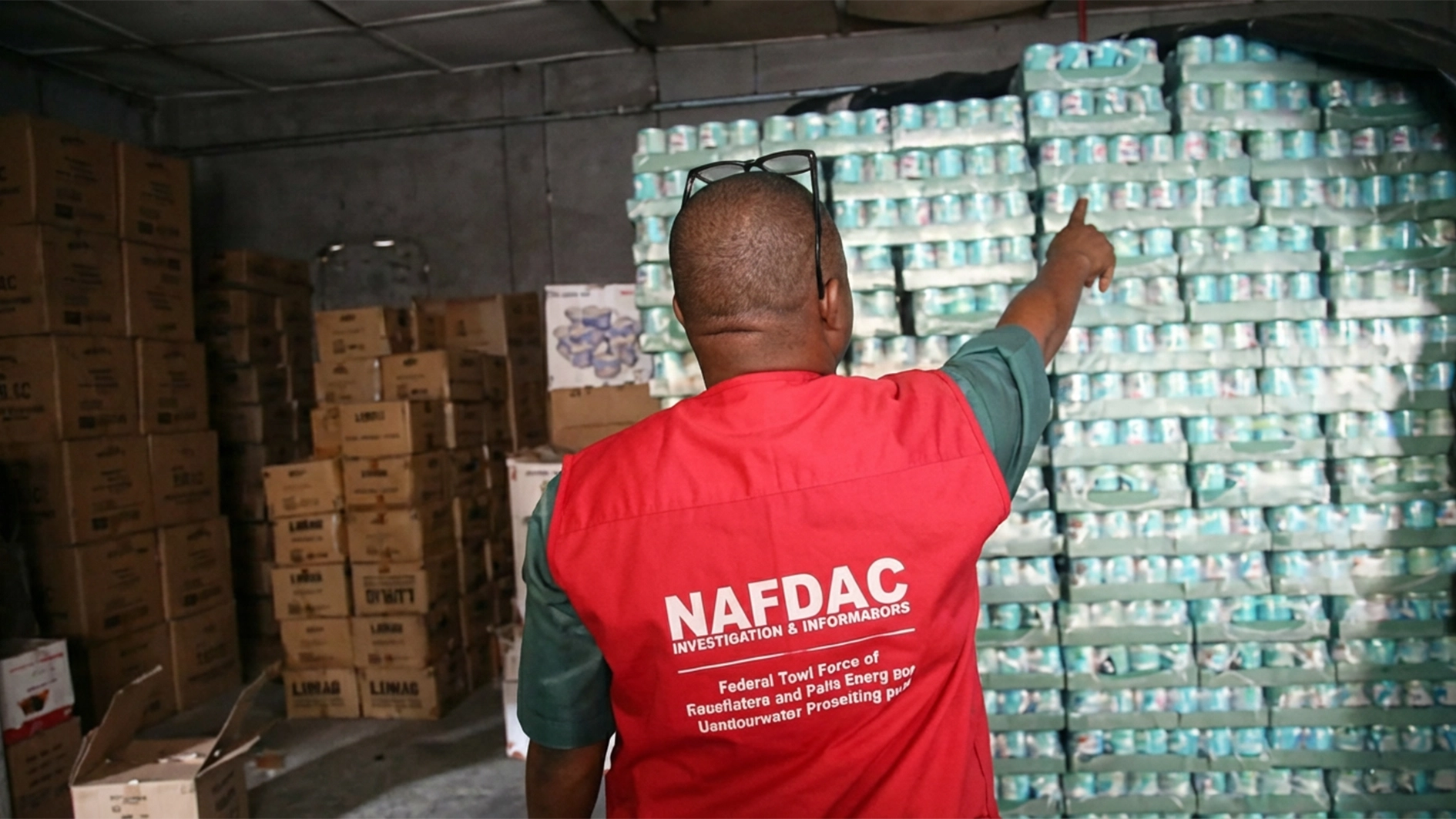
The Federal Government has stepped up efforts to curb underage drinking across the country, as the National Agency for Food and Drug Administration and Control (NAFDAC) and the National Orientation Agency (NOA) launched a renewed nationwide campaign against alcohol abuse among minors.
The campaign, flagged off in Abuja on Tuesday in collaboration with the Federal Competition and Consumer Protection Commission (FCCPC), is aimed at strengthening enforcement of the ban on sachet alcohol and alcoholic beverages packaged in bottles smaller than 200 millilitres.
Speaking at the event, the Director-General of NAFDAC, Prof. Mojisola Christianah Adeyeye, said the campaign is driven by the need to protect Nigerian children from the growing dangers of alcohol consumption.
She explained that alcohol remains one of the most abused substances among young people in the country, largely due to its easy availability, low cost and small packaging, which makes it easy to conceal.
Adeyeye noted that several studies over the years have shown a steady rise in alcohol production, importation and consumption across age groups. However, she expressed particular concern about minors, stressing that the agency’s action is focused on safeguarding their future.
“We are here for our children. Our presence today is to ensure that the ban on alcoholic beverages packaged in sachets and small bottles of less than 200 millilitres remains in force in the interest of public health and the future of our nation,” Adeyeye noted.

She recalled that manufacturers were granted a five-year moratorium in 2018 to allow them transition away from sachet alcohol production. After the expiration of extensions and directives from the Senate, NAFDAC resumed full enforcement of the ban in line with its legal mandate.
The NAFDAC boss also cited findings from a nationwide survey conducted in 2021, which revealed alarming levels of access and consumption among minors.
According to her, 54.3 per cent of minors and underage persons surveyed obtained alcohol on their own, while nearly half purchased sachet or small-bottle products.
She warned that early exposure to alcohol can damage brain development and increase the risk of addiction, poor academic performance, violence, accidents and long-term health problems.
Also speaking, the Director-General of NOA, Lanre Issa-Onilu, described the campaign as a united effort to protect consumers and promote responsible behaviour across communities.
He said the ban on sachet alcohol is a deliberate public health intervention designed to reduce the easy access of children and vulnerable persons to cheap, high-strength alcohol.
“For too long, sachet alcohol has been dangerously accessible. It is inexpensive. It is portable. It is easy to conceal,” he said.
Issa-Onilu stressed that the campaign is not about punishment but about prevention and protection.
“No nation prospers when its youth are caught in cycles of preventable addiction. No society advances when harmful practices become normalised. Protecting our children today is an investment in Nigeria’s stability and productivity tomorrow,” the DG added.
He disclosed that NOA would deploy its extensive national structure, including offices in all 774 local government areas, to carry the message to markets, schools, motor parks, youth groups and religious institutions. The agency will also use traditional and digital media platforms to sustain public awareness.
“We will also deploy the NOA CLHEEAN App, available on Android and Apple platforms, to empower citizens to report violations and support responsible enforcement in their communities. When products undermine health and safety, government must act in the interest of the people,” Issa-Onilu noted.
Both agencies called on parents, community leaders, retailers and citizens to support the enforcement process and help reduce the growing rate of alcohol abuse among young Nigerians.
They maintained that protecting children from harmful substances is a shared responsibility and a step toward building a healthier and more secure nation.

