GDN SIDEBAR
In Nigeria, breaking the fast is not only a spiritual moment. It is also a cultural one. While dates and water are common across Muslim homes, different tribes and regions have traditional foods they prefer at iftar. These meals reflect local ingredients, climate, and long-standing customs.
Here are some popular Nigerian foods used to break the fast across the country.
1. Fura da Nono (North)
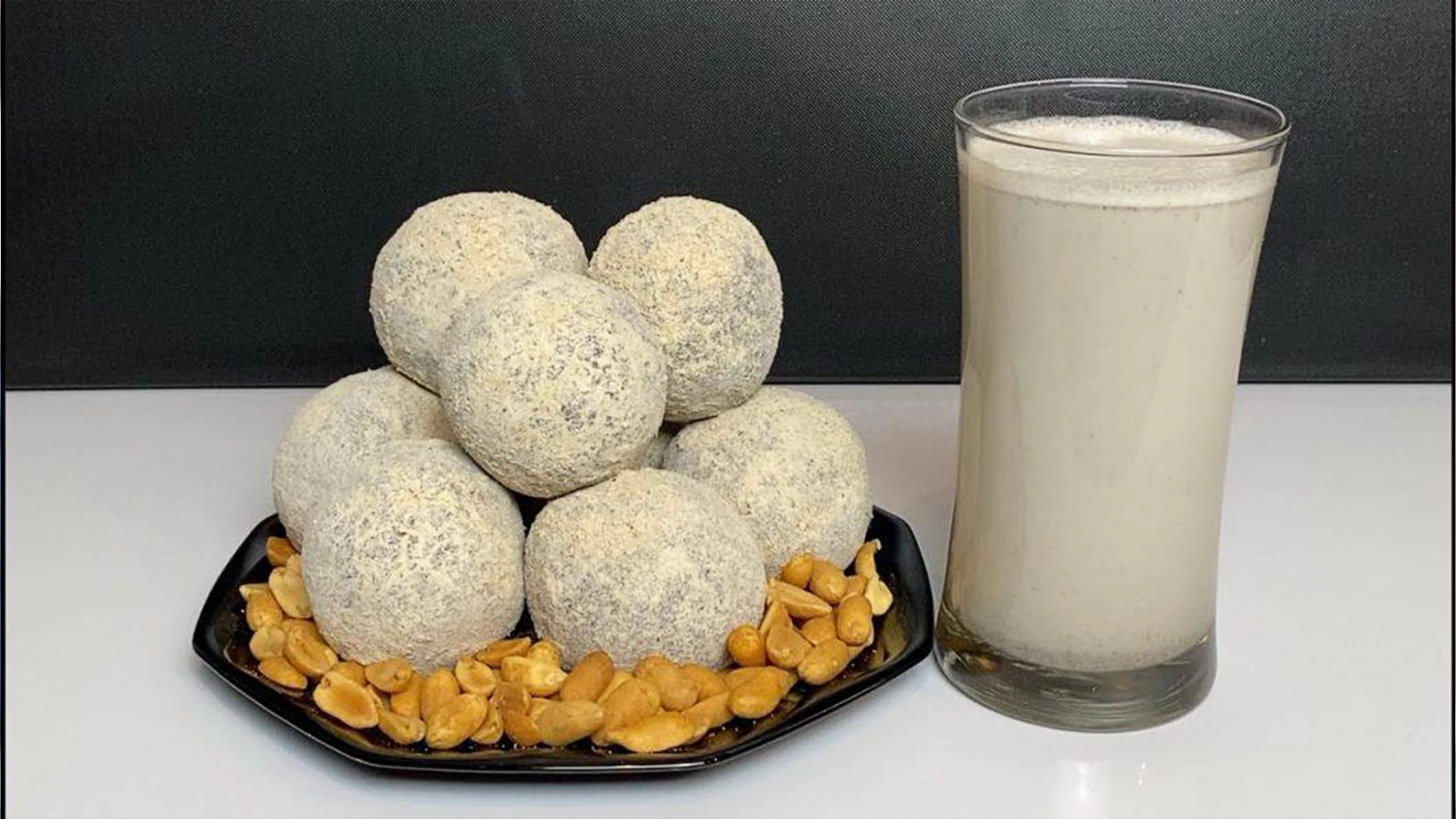
In many Hausa and Fulani communities, Fura da Nono is a common iftar meal. Fura is made from millet that is ground, spiced and shaped into balls. It is then mixed with nono, a fresh cow milk drink.
It is filling and rich in carbohydrates and protein. After a long fast, it restores energy quickly. Because it contains both grains and dairy, it keeps the body satisfied for hours. It can also be found in other parts of Nigeria, but is common in the North.
2. Koko and Akara (South-West)
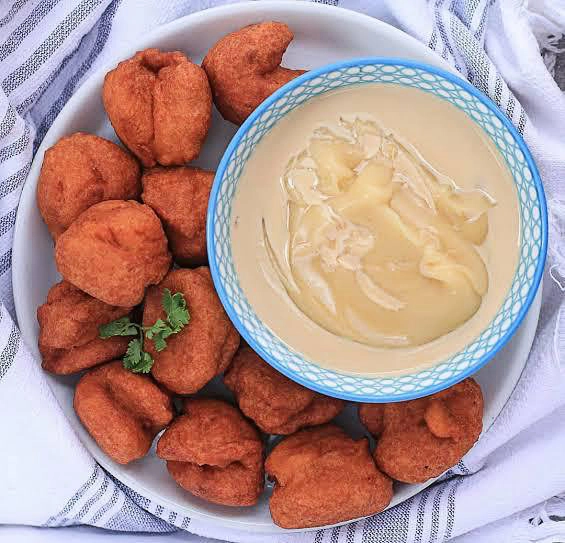
Among the Yoruba, Koko is widely consumed during Ramadan, especially at Iftar. It is often paired with akara.
Koko is soft and easy to digest, making it suitable for breaking the fast gently. The akara adds protein and makes the meal more filling. Many families prefer this combination before eating a heavier dinner later in the evening.

3. Pounded Yam and Egusi (North Central)
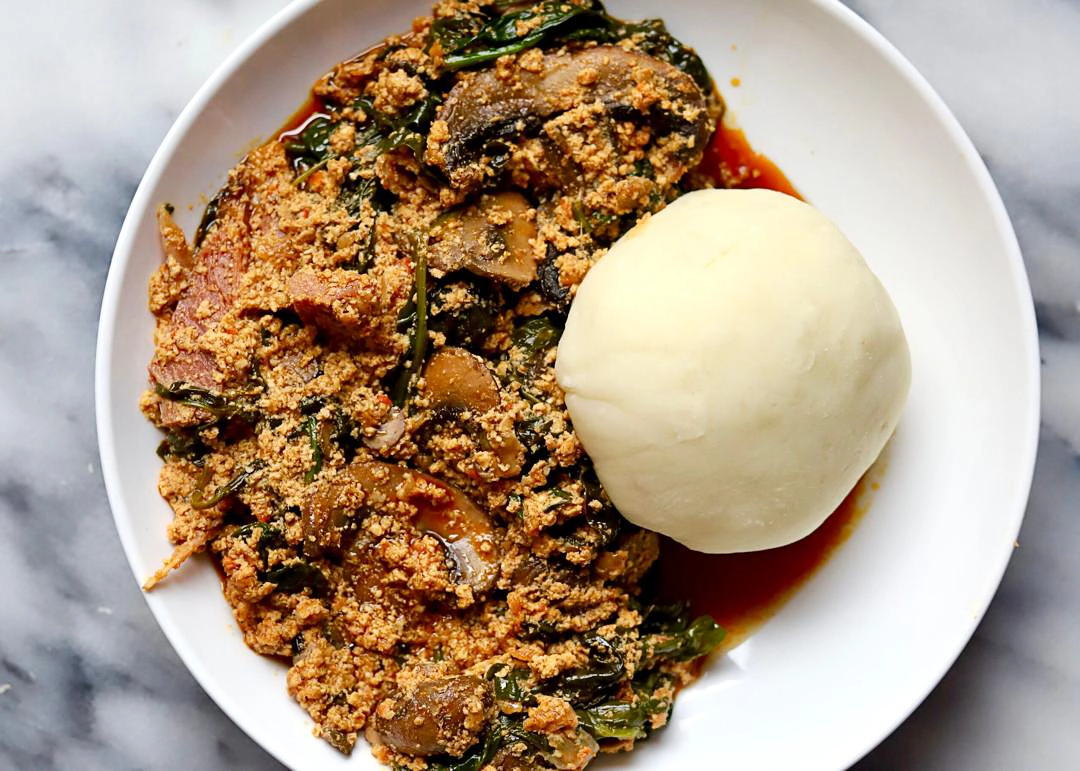
In parts of North Central Nigeria, including Kogi and neighbouring states, pounded yam served with egusi soup is common at iftar. While not limited to one tribe, it is widely enjoyed across communities in the region.
Pounded yam provides carbohydrates that restore energy after fasting. Egusi soup, made from melon seeds, vegetables and sometimes meat or fish, adds protein and healthy fats.
4. Tuwo and Soup (North)
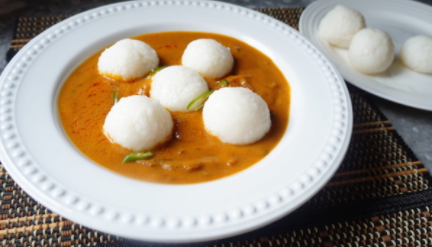
Some families prefer to eat a solid meal immediately after Maghrib. Tuwo Shinkafa, made from soft cooked rice, is popular in the North. It is served with vegetable soups such as miyan kuka or miyan taushe.
Tuwo provides carbohydrates that quickly restore strength. The soups often contain vegetables and sometimes meat, adding nutrients and flavour. For many households, this is a complete and satisfying iftar meal.
5. Dates and Fresh Fruits (Across Nigeria)
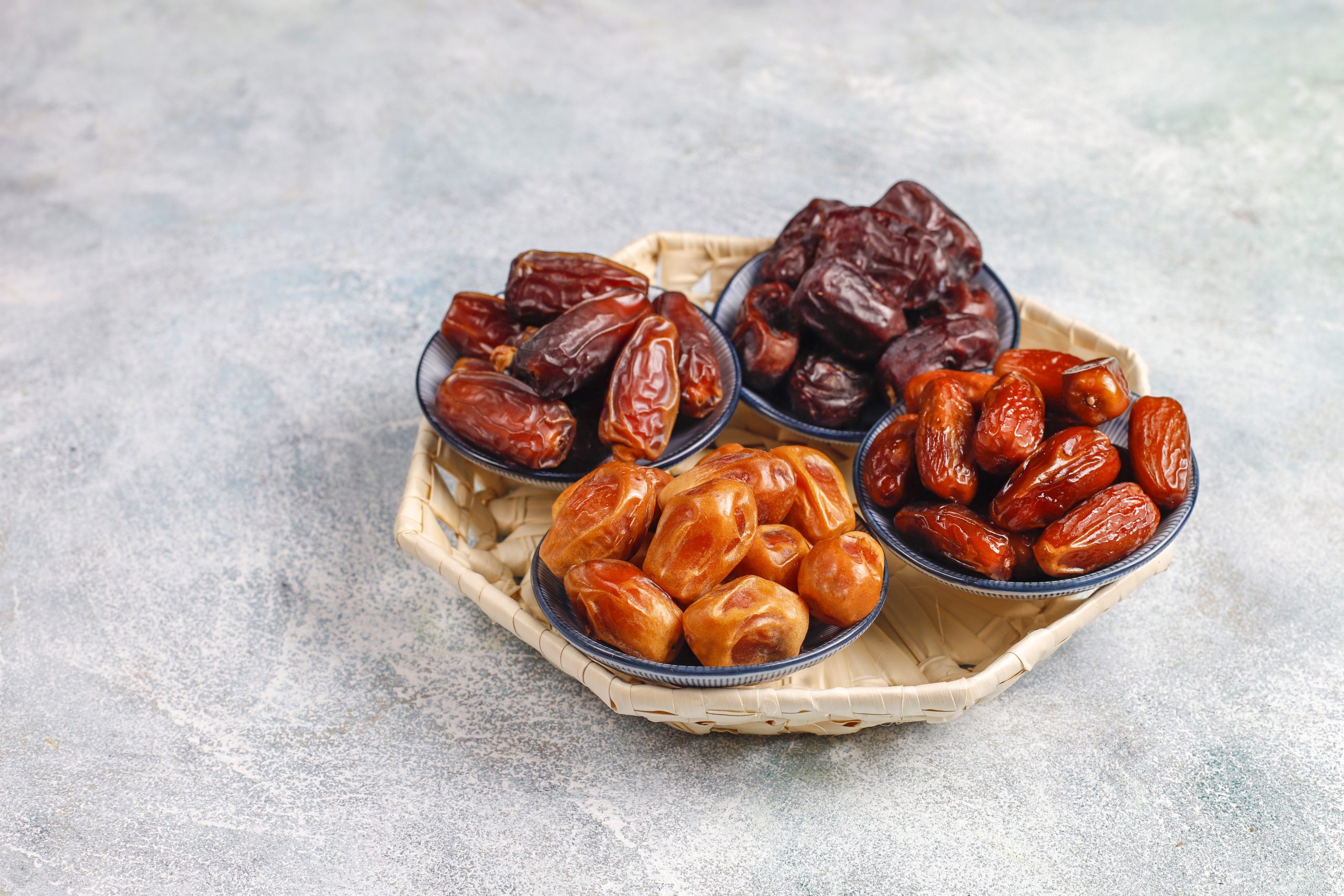
Dates are widely used across all regions. They are simple, natural and traditionally associated with breaking fast. Many families also add fruits like watermelon, oranges and bananas.
Fruits help with hydration and provide natural sugars for quick energy. They are often eaten before moving on to heavier meals.
6. Zobo and Kunu Drinks (Various Regions)
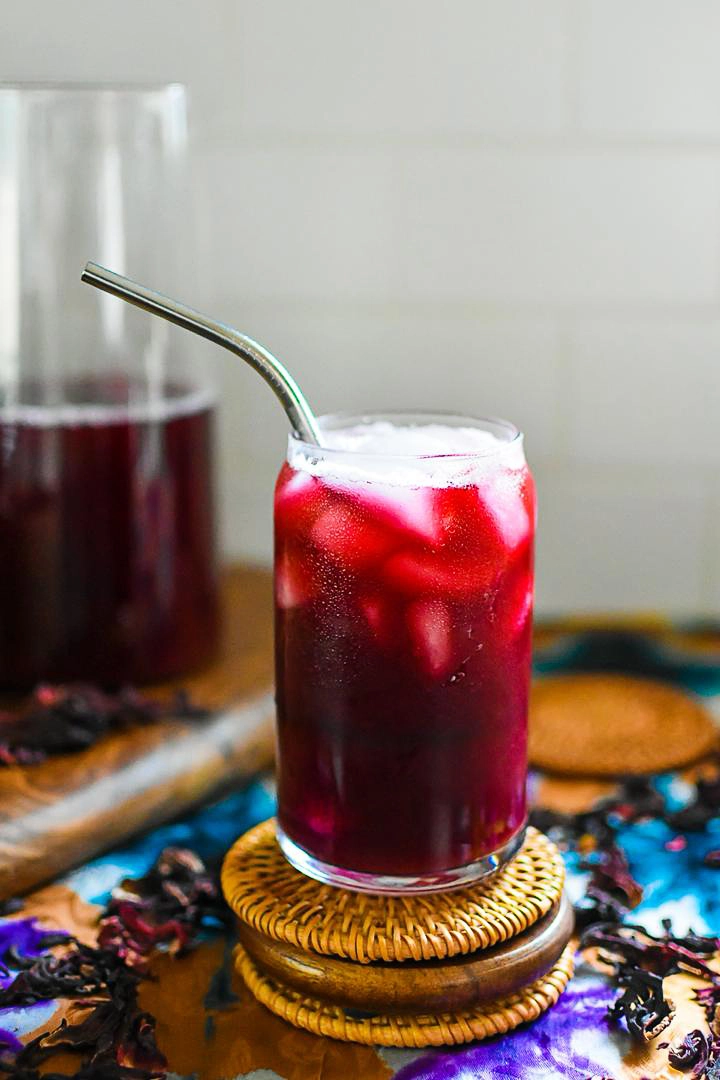
Homemade drinks are also common. Zobo is made from dried hibiscus leaves and served chilled. Kunu is made from grains such as millet or sorghum.
Both drinks are refreshing, especially in Nigeria’s warm climate. However, sugar is often added in large amounts. Moderation is important to avoid discomfort after fasting.
Ramadan in Nigeria reflects both faith and culture. In many mosques, food is shared freely with neighbours and strangers.
Despite the variety of foods, don’t forget that: Whether it is fura, koko, pounded yam or tuwo, the purpose of breaking the fast is to restore strength and continue worship with gratitude not to overindulge.