 Follow Us on Google News
 Follow Us on Google Discover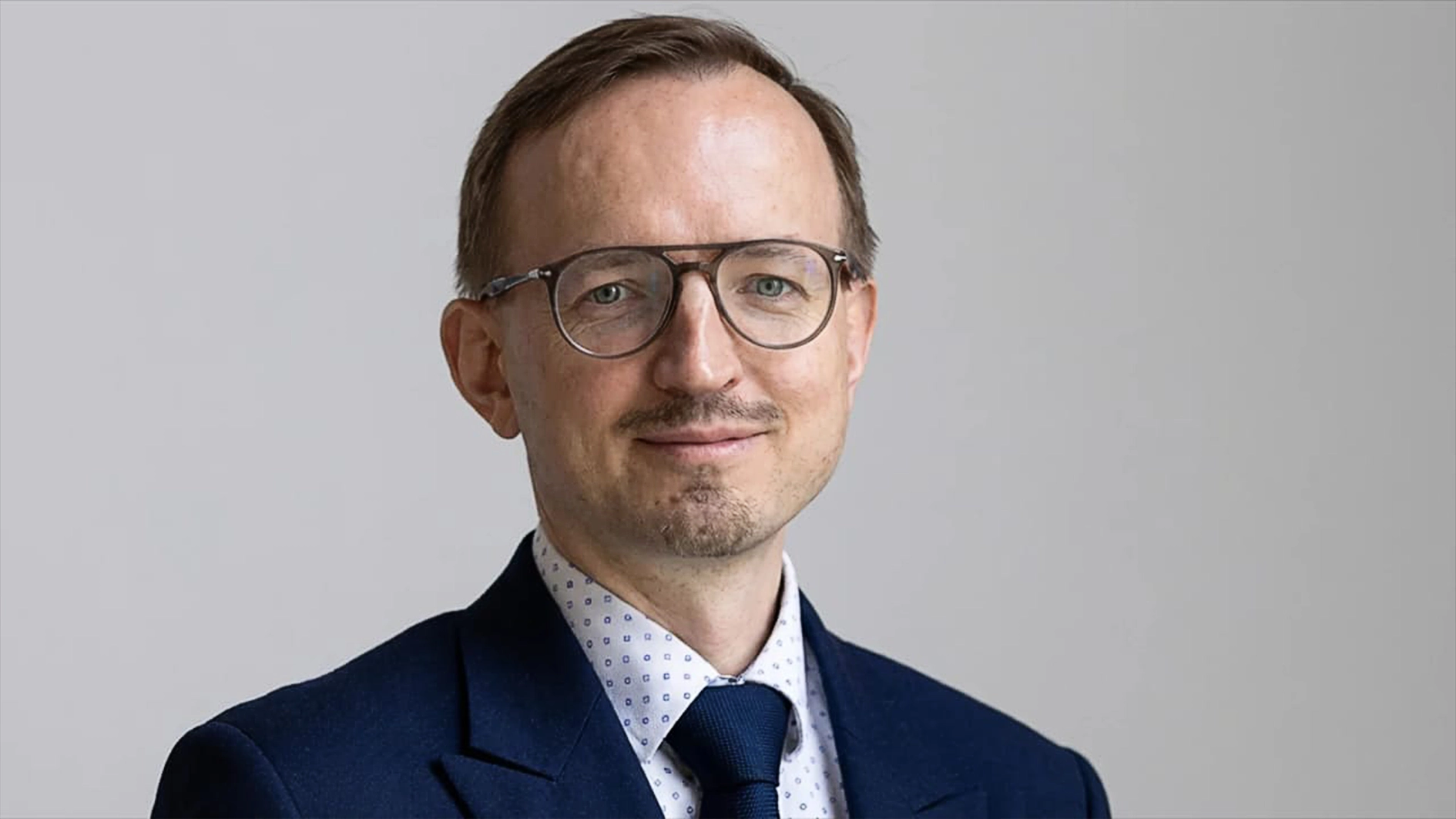
.Africa accounts for 1% of Poland $1 trillion trade exchange
By Ngozi Egenuka
Ambassador of Poland to Nigeria, Mr Michal Cygan has said that Poland’s trade with Africa remains minimal, signalling vast untapped potential for growth and deeper economic engagement.
Speaking at the Ambassadorial Forum, themed Diplomatic and Economic Relations between Nigeria and Poland, organised by the Nigerian Institute of International Affairs (NIIA) in Lagos, he said that while Poland’s global trade profile is at one trillion dollars, it’s African trade accounts for just one percent, which is $10 billion, with Nigeria having 10 per cent of the share.
He acknowledged that as compared to Europe and other continents noting the country’s trade exchange with Germany, which is above 200 billion, underscoring the need to diversify partnerships and strengthen South–North economic ties.
Cygan recalled Poland’s dramatic transformation from a struggling, centrally planned economy in the 1980s to what is today a resilient, market-driven democracy. He described the transition period as painful but necessary, marked by shortages, institutional bankruptcy and sweeping reforms, including the removal of subsidies and the liberalisation of the exchange rate. Those reforms, he said, restored agency to communities and individuals, strengthened local governance and laid the foundation for small and medium-sized enterprises that now power the Polish economy.
According to the ambassador, Poland’s journey from economic hardship to becoming a one trillion dollar economy and a member of the G20 offers useful insights for African nations pursuing structural reforms. He stressed that Poland, once unable to feed its own population due to systemic mismanagement, now enjoys decades of continuous growth, attributing the success to democratic governance, market reforms and long-term strategic commitments.
Cygan acknowledged that Polish-Nigerian diplomatic relations have historically been friendly and cordial but not very intense. “We have not been among our most important strategic partners, and this is what we can try to change,” he said, adding that his mission is to intensify cooperation across multiple sectors, including trade, technology, education and cultural exchange.
Highlighting growing people-to-people ties, the ambassador disclosed that nearly 4,000 Nigerian students are currently studying in Poland, describing the figure as a significant bridge between both societies. He expressed optimism that educational exchanges would foster deeper understanding and stimulate broader economic and diplomatic collaboration.
Cygan emphasised that Poland and Nigeria share common democratic and market-driven values, noting that both countries believe in the agency of citizens and the importance of institutions that reflect the will of the people. He said Poland’s post-1989 reforms were grounded in restoring freedoms of speech, association and self-governance, principles that resonate strongly with democratic aspirations across Africa.

The ambassador said Warsaw believes firmly in the success of African societies and stands ready to support development initiatives.
While acknowledging past periods when Poland’s focus shifted away from Africa due to domestic transformation and limited resources, Cygan maintained that the current moment presents an opportunity for renewed engagement. “We believe in shared values and cooperation,” he said, expressing confidence that stronger Polish-Nigerian and broader Polish-African relations would deliver mutual economic and social benefits in the years ahead.The Director General, Nigerian Institute of International Affairs (NIIA), Prof. Eghosa Osaghae, has called for a reset and reconfiguration of Nigeria’s relations with Poland, urging both countries to translate their shared historical foundations into stronger economic ties.
Osaghae said Poland has long been part of Africa’s decolonisation story and consistently supported the continent’s struggles for liberation, drawing from its own history of oppressive and exploitative domination. According to him, Poland has been an advocate of human rights, freedom and democracy, values that are fundamental to political well-being and economic development.
He noted that Poland became one of the world’s top 20 economies after its 1989 transition, demonstrating that bold reforms can reposition a nation for global competitiveness. With Nigeria aspiring to become a $1 trillion economy in the near future, Osaghae said there is significant room for collaboration between both countries in pursuit of that ambition.
Acknowledging that Polish economic interests in Nigeria are already expanding and improving, he stressed that the relationship must also create opportunities in Poland for African investors and businesses, including restaurants.
Recalling earlier phases of cooperation, Osaghae said Nigeria turned to Poland in the mid to late 1970s for the development of technical education, particularly in shipbuilding. He observed that several Nigerians who trained in Poland returned to contribute to national development, citing graduates of the Polish technical education system as examples of the enduring benefits of that partnership.
He explained that such historical connections provide pointers for rebuilding and expanding economic relations, with the goal of positioning Nigeria and Africa as significant players in Poland’s external trade and investment profile.
Addressing comparisons between the Nigerian and Polish economies, Osaghae cautioned against framing the engagement as one of learning lessons. Instead, he described it as sharing comparative experiences. He noted that while Poland’s transition from a centrally controlled economy to a liberal market system involved trade liberalisation, removal of subsidies and support for small and medium enterprises, Nigeria’s environment remains distinct.
Poland’s integration into the European Union and its history within the communist orbit make its trajectory different from Nigeria’s, he said. However, he acknowledged that Poland’s success demonstrates that orthodox policy reforms, when properly managed, can yield results. With Nigeria currently undertaking bold economic reforms, Osaghae expressed optimism that the country is on the right track and can reap benefits if the policies are effectively implemented.
Responding to questions about why Nigeria should prioritise Poland, Osaghae said Poland has emerged as a country on the rise in its relations with Nigeria and Africa. He recalled that in 2013, Poland’s Prime Minister addressed African leaders and affirmed his country’s historical closeness and friendship with the continent.

