 Follow Us on Google News
 Follow Us on Google Discover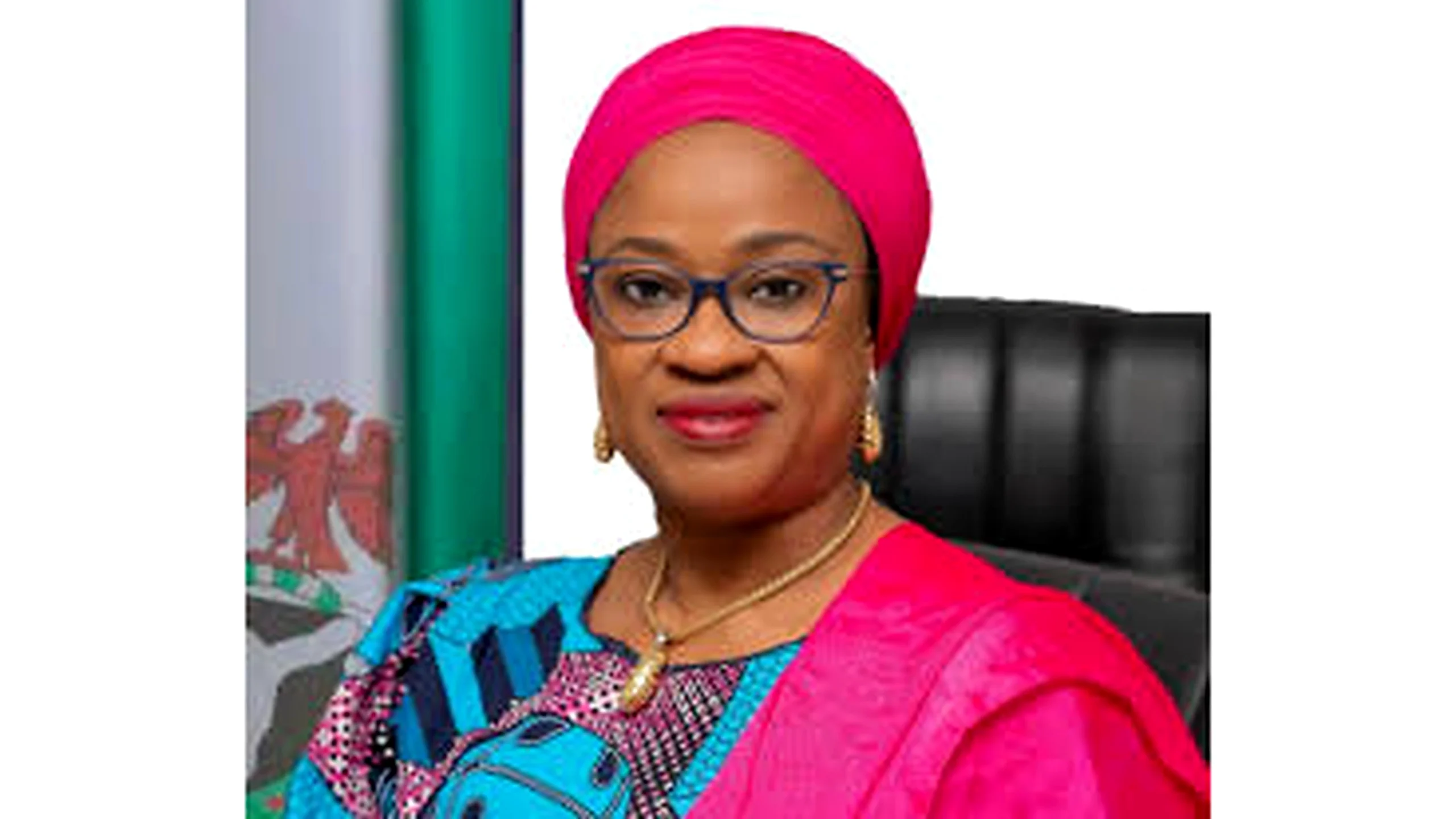
Dr. Hauwa Nuru: The Fiscal Reformer Steering Kwara Toward Stability and Growth
Dr. Hauwa Nuru is a distinguished finance professional, reform-driven public servant, and strategic leader with over 30 years of post-qualification experience spanning both the private and public sectors. As the Honourable Commissioner for Finance in Kwara State, she brings depth of expertise, institutional discipline, and transformational leadership to the stewardship of the State’s financial architecture.
She holds a Master of Business Administration (MBA) with a specialization in Banking and Finance, and a Doctor of Business Administration (DBA) with a focus on Leadership. She is an accomplished Fellow Certified National Accountant (FCNA), a Fellow of the Chartered Institute of Taxation of Nigeria (FCTI), and a member of the Nigeria Institute of Management (NIM), credentials that underscore her outstanding management acumen and professional excellence.
Dr. Nuru has built an impressive career covering diverse areas, including Banking, Finance, Treasury Management, Strategy, Customer Service, Business and Product Development, Administration, Leadership, and Institutional Management. She has attended several executive management and leadership development programmes at leading global institutions, including Harvard Business School and Manchester Business School, further strengthening her global outlook and reform-oriented approach. Over the years, she has received multiple service excellence awards in recognition of her outstanding performance and leadership impact.
Earlier in her career, Dr. Nuru served in various capacities, including as Chief Financial Officer (General Manager, Finance) at Eko Electricity Distribution Company (EKEDC), where she managed complex financial operations during a critical reform period in Nigeria’s power sector. As a member of the organization’s Critical Strategies and Implementation Team, she played a fundamental role in developing and assessing innovative projects, implementing new policies and procedures, and reviewing and updating regulatory frameworks to align with evolving industry standards.
Her experience in the energy sector spans over a decade, with strong expertise in Energy Audit, Revenue Cycle Management, and Change Management. Dr. Nuru had previously served on the boards of several reputable companies and financial institutions.

As Honourable Commissioner for Finance, together with her team, she has been instrumental in strengthening Kwara State’s fiscal framework through enhanced revenue administration, prudent expenditure management, improved liquidity planning, and greater transparency in public financial reporting. Also, the Ministry has prioritized institutional reforms, due process, and alignment with global best practices in financial governance.
She also serves as the State Focal Person for World Bank Programmes, ensuring compliance with international financial standards while maximizing the developmental impact of donor-supported interventions. Additionally, as Chair of the State Ease of Doing Business Council, she champions reforms that improve regulatory efficiency, enhance investor confidence, and promote a competitive business environment.
Widely respected for her calm disposition, analytical depth, and unwavering commitment to accountability, Dr. Nuru’s leadership philosophy is grounded in integrity, resilience, and service. Her work reflects a clear vision: building resilient public institutions capable of sustaining economic growth and delivering measurable benefits to citizens. Beyond her professional accomplishments, Dr. Nuru is deeply committed to mentorship, capacity building, and empowering women in leadership and finance. She remains guided by the principles of transparency, discipline, and dedication to the public good values that continue to define her distinguished career.
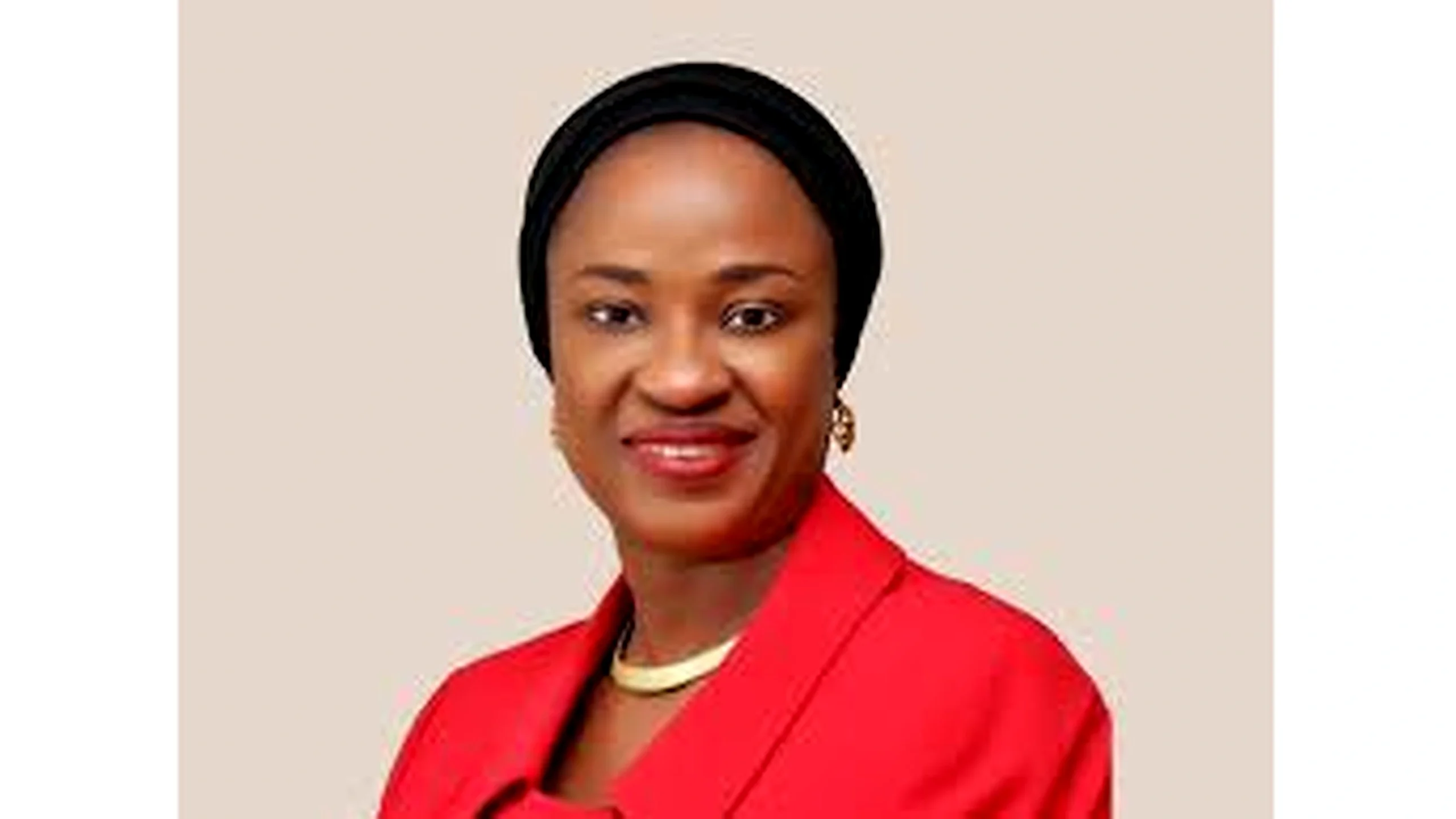
In this interview with The Guardian following her recognition as one of the 100 Inspiring and Award Winning Amazons in Nigeria, Dr. HauwaNuru speaks on leadership, fiscal governance, institutional reform, and the advancing role of women in national development. Excerpt.
Can we have an insight into your background and what pivotal moment sparked your passion for leadership?
I am a finance professional with over three decades of experience spanning banking, public utilities, strategy, taxation, and public financial management. I hold an MBA in Banking and Finance and a Doctorate in Business Administration with a specialization in Leadership. I am also a Fellow Certified National Accountant, a Fellow of the Chartered Institute of Taxation, and a member of the Nigerian Institute of Management A defining phase of my career was serving as Chief Financial Officer (General Manager, Finance) at the Power Holding Company of Nigeria (PHCN), where I oversaw complex financial operations within a large national utility. That role strengthened my understanding of financial controls, institutional reform, and the impact of leadership on large systems. The pivotal moment that deepened my passion for leadership came when I realized that financial expertise alone is insufficient without ethical, visionary leadership. Sustainable transformation happens when competence meets integrity.
My private sector experience equipped me with discipline, risk management skills, and strategic thinking. My tenure at PHCN exposed me to managing large-scale financial systems under intense scrutiny and reform conditions. Today, I am privileged to serve under the visionary leadership of His Excellency, Mallam Abdulrahman Abdulrazaq development-focused agenda prioritizes fiscal responsibility, institutional strengthening, and economic growth. His clarity of purpose and commitment to transparency have created an enabling environment for prudent financial governance. The combination of corporate financial management, public-sector reform experience, and principled leadership prepared me to manage Kwara State’s finances.
What personal values can you ascribe to the enviable height you have attained as a professional?
Integrity, discipline, resilience, and accountability. Integrity has been my compass in every role I have held. Discipline sustains performance. Resilience enables one to withstand pressure and criticism. Accountability ensures that leadership remains service-oriented.
What is your assessment of the progress of Nigerian women in leadership, and what do you think is needed to accelerate their growth?
Nigerian women have made remarkable and measurable progress across critical sectors, including finance, governance, technology, academia, and entrepreneurship. Today, we are not just participants; we are decision-makers, reform drivers, and institution builders. A strong example is Kwara State under the visionary leadership of His Excellency, the Governor, where the current cabinet comprises 11 women out of 22 commissioners, each heading key ministries that shape fiscal policy, infrastructure, health, education, and economic development. This reflects not symbolic inclusion, but substantive representation built on competence and capacity. However, while progress is evident, acceleration requires deliberate structural reforms, improved access to finance for women-led enterprises, stronger mentorship pipelines, expanded political inclusion, and institutional frameworks that ensure merit-based advancement. We must move beyond tokenism (box-ticking inclusion) to meaningful participation, ensuring that women are not only present in decision-making spaces but are actively shaping economic policy and governance outcomes for sustainable national development.
This year’s International Women’s Day theme is “Give to Gain.” How do you interpret this theme within the context of governance and economic management?
“Give to Gain” mirrors a fundamental economic principle: investment drives returns. In governance, when we invest in transparency, women’s empowerment, infrastructure, and social protection, we gain long-term economic stability. Under the leadership of His Excellency, we have seen that disciplined fiscal investment yields measurable development outcomes. Giving whether in mentorship, policy reform, or institutional strengthening ultimately produces sustainable gains. Public finance often demands tough decisions. How do you balance prudence, transparency, and the social needs of citizens, especially women and vulnerable groups? Public finance requires careful prioritization. Prudence ensures sustainability. Transparency builds public trust. Social responsiveness ensures inclusivity. We allocate resources based on impact, focusing on programs that protect vulnerable populations, strengthen economic resilience, and promote long-term development. Financial management must always reflect both technical precision and human sensitivity.
What have been some of the biggest challenges you have faced, and how have you been addressing them?
One major challenge is managing competing demands within limited fiscal space. Another is implementing reforms in environments resistant to change. Addressing these requires stakeholder engagement, data- driven decision-making, adherence to due process, and strong institutional frameworks. Consistency and transparency remain critical.
What are some of your proudest achievements, and how have they impacted society?
I am particularly proud of strengthening public financial management systems, optimizing revenue, and improving coordination among development partner programs. Serving as State Focal Person for World Bank Programs and Chair of the Ease of Doing Business Council has allowed us to align fiscal management with economic growth objectives improving investor confidence and service delivery. Most importantly, these reforms are building sustainable systems that will continue to benefit citizens beyond any individual tenure.
Women remain underrepresented in high-level economic decision-making. In your assessment, what structural barriers still limit women’s participation in governance?
Structural barriers include limited access to political networks, financing constraints, cultural stereotypes, and unequal domestic expectations. Women often face higher thresholds for validation. To address this, we need inclusive political structures, leadership pipelines, and institutional reforms that normalize women’s presence in economic decision- making spaces.
Finally, what message would you like to share with Nigerian women as we celebrate International Women’s Day 2026?
Invest in your competence, guard your integrity, remain resilient, and prepare yourself for leadership long before the opportunity arrives. And when you rise, create pathways for others. Nigeria’s progress depends on inclusive leadership. Women are not optional participants in national development, we are essential drivers of it.

