 Follow Us on Google News
 Follow Us on Google Discover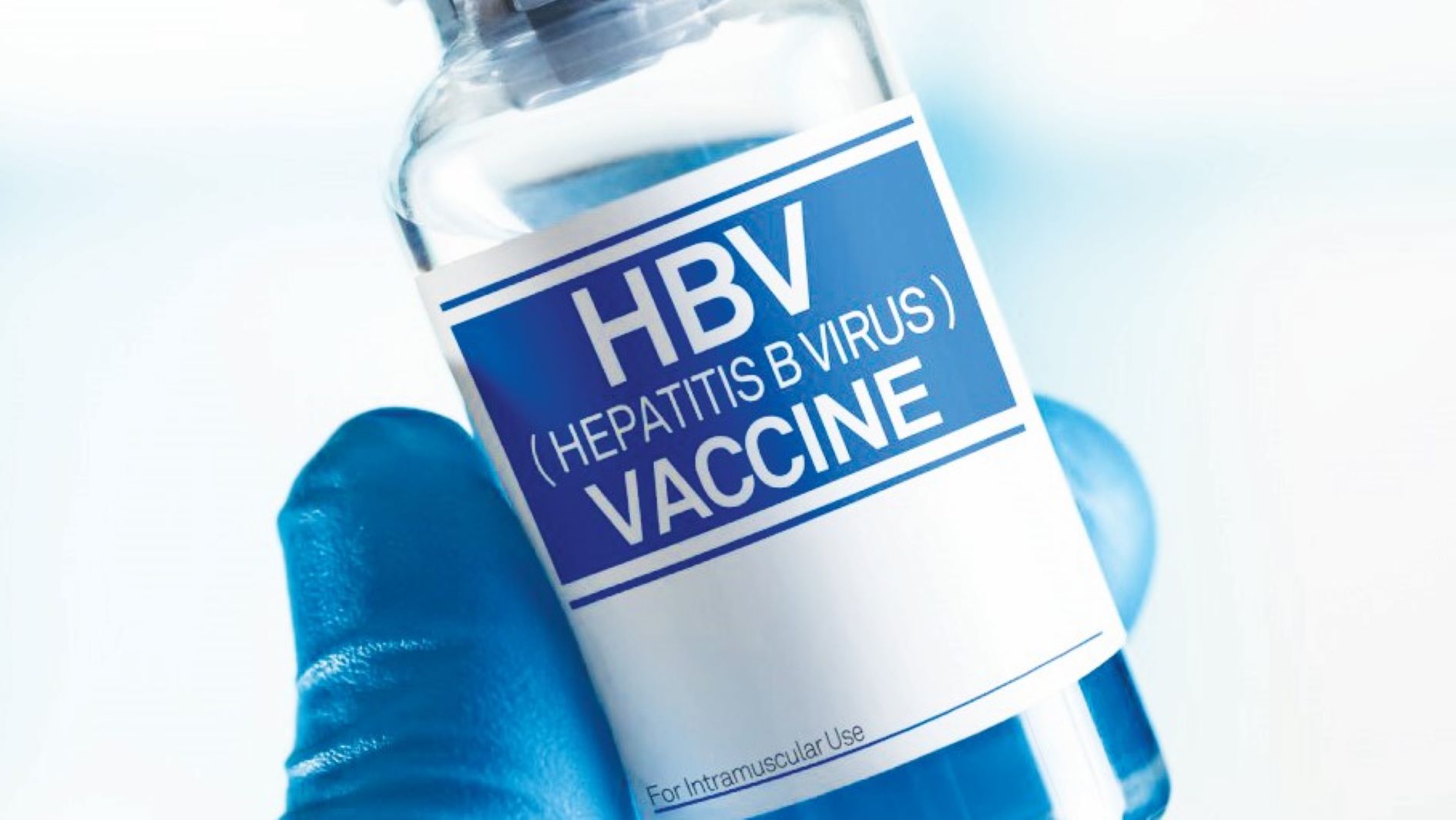
Health experts have called for stronger collaboration, better integration of services and community-driven strategies to curb mother-to-child transmission of the Hepatitis B virus and boost birth dose vaccination coverage across Africa.
The call was made during a seminar organised by PATH, which brought together health experts and development partners to explore practical ways of improving the timely administration of the hepatitis B birth dose vaccine, particularly amid rising infection rates on the continent.
A major focus of the discussions was the $22 million Safe Step Plus project led by PATH and supported by Unitaid. The initiative aims to integrate enhanced services for the prevention of vertical transmission into antenatal and newborn care systems.
Director of the project, Albert Komba, emphasised the urgency of eliminating vertical transmission of diseases such as Syphilis, Hepatitis B and HIV/AIDS.
He explained that the timely administration of the hepatitis B birth dose vaccine is up to 95 per cent effective in preventing mother-to-child transmission, describing it as a critical intervention for protecting newborns from lifelong infection.
Echoing similar concerns, Head of Vaccine Programme, First Year of Life Platform at Gavi, the Vaccine Alliance, Stephen Sosler, highlighted the structural and financial barriers affecting the rollout of the vaccine in many African countries.

According to him, competing health priorities and limited fiscal space often delay the introduction and scale-up of the hepatitis B birth dose vaccine. He stressed that successful programme performance depends largely on strong integration between antenatal care and immunisation services.
Further insights shared by PATH from a cross-country synthesis of its learning agenda highlighted the critical role of community health systems in addressing barriers such as home births and limited cold chain capacity.
The findings emphasised that building community trust, ensuring regular training and providing sustained support for community health workers are key factors for effective implementation.
To reach infants born outside hospital settings, participants discussed strategies such as engaging private health facilities, community health professionals and traditional birth attendants.
A representative of the Uganda Ministry of Health noted that vaccination and prevention efforts must be prioritised within primary healthcare systems, with strong community engagement and accountability mechanisms to ensure measurable results.
PATH emphasised the need for sustained collaboration and innovative approaches to strengthen timely and effective hepatitis B immunisation across Africa.

