 Follow Us on Google News
 Follow Us on Google Discover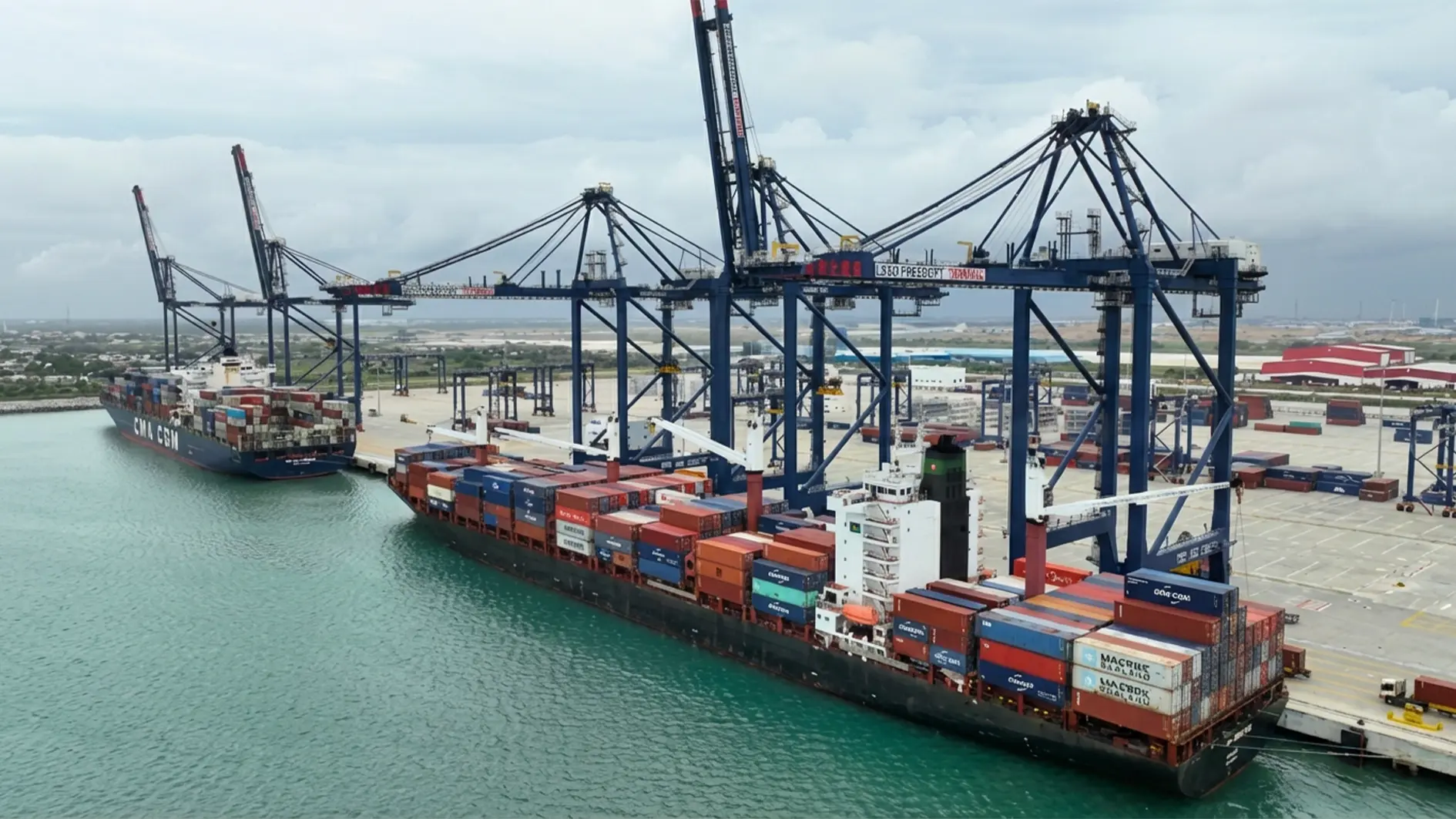
The World Bank Group has called on Nigeria and other developing countries to invest in infrastructure, improve regulatory and business environments and encourage private sector participation in the maritime sector as a critical driver of job creation and economic development, particularly as the world prepares for a surge in the global workforce.
In its latest report on ‘the Maritime Sector: Driving Jobs and Development’, released yesterday, the World Bank Group stated that the maritime sector represents an important area of economic development, with significant potential to help bridge the looming job gap for the estimated 1.2 billion young people expected to reach working age over the next 15 years.
The institution further stressed that jobs remain the most effective way to end poverty, providing people with hope, dignity, stability and the opportunity to improve their living standards for a better future.
According to the institution, the maritime transport sector drives the world economy, with ports serving as strategic hubs at the centre of job creation, international trade and global economic activity.
The report noted that, currently, the maritime sector directly employs 30 million people and supports over 90 million indirect jobs worldwide, adding that the impact on the scale of maritime trade further reflects its significance to global commerce, with the sector accounting for about 80 per cent of global trade by volume and about 70 per cent by value.
The institution noted that this highlights the critical role of shipping services and port infrastructure in the movement of goods across global markets as well as sustaining international commerce.

The report noted that efficient ports play key roles in supporting industrial development, connecting countries to regional and global markets, enabling economic growth and generating millions of jobs worldwide.
Beyond shipping and port operations, the institution stated that the maritime economy sustains employment across several industries, including shipbuilding, logistics, fisheries, tourism, energy, and related maritime services.
However, the World Bank Group pointed out that the ability of countries, particularly developing economies, to benefit from maritime trade depends heavily on factors that shape opportunities and constraints, such as geography, infrastructure, and investment.
The institution noted that developing economies must exert twice the effort as developed countries to transport goods.
“Goods going to or coming from developing countries often travel longer distances, both internationally and domestically. Many of these shipments also consist of heavier, lower-value commodities such as minerals or ores. Together, these factors increase costs and logistical burdens, particularly for landlocked countries and small island states,” the report stated.
The institution stated that, although many developing countries operate their own ports, their facilities are often overburdened and underdeveloped, limiting their capacity to adequately meet the demands of growing import and export needs.
To address these evolving challenges, the World Bank Group said it continues to work with countries in an array of ways to help ensure their ports and logistics are keeping up with demand to improve performance, create jobs and improve lives.
“With an active portfolio of more than $5 billion, ports represent a critical area of engagement across the entire World Bank Group,” the bank stated.
The World Bank Group added that it is helping to connect millions of people to employment, attract transformational private investment and create the conditions for sustainable growth around the globe.

