 Follow Us on Google News
 Follow Us on Google Discover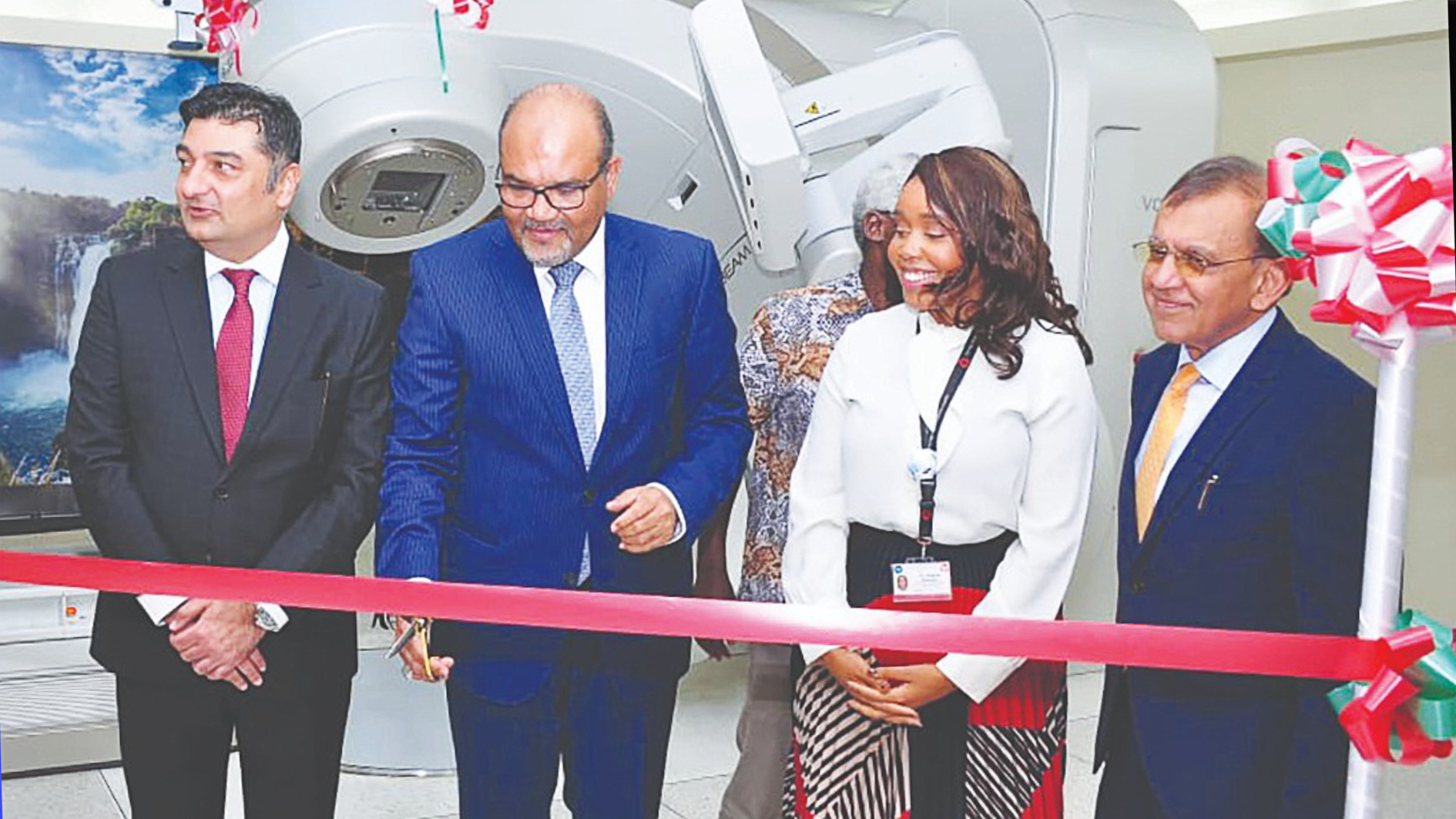
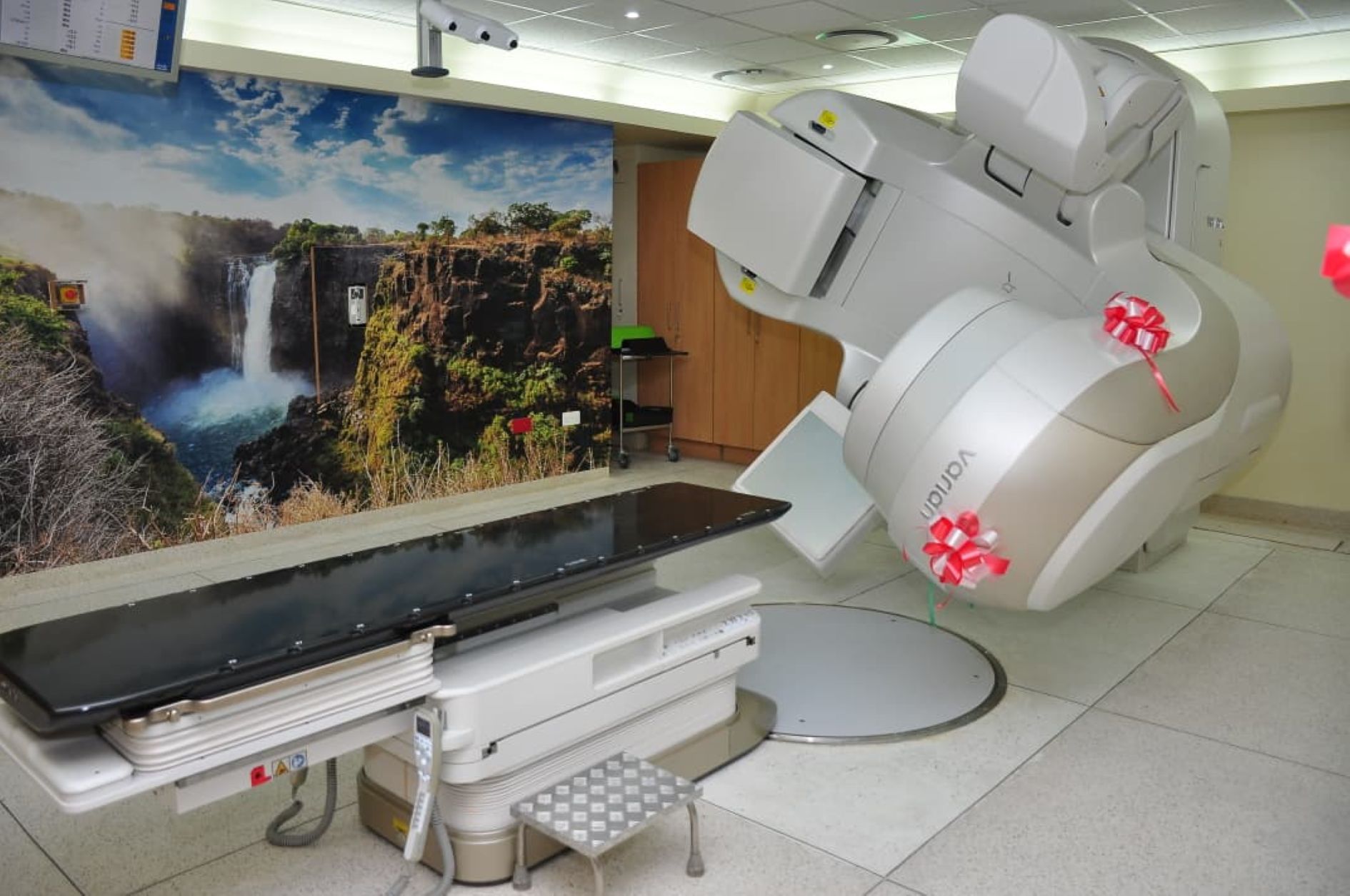
Kenyan-based Aga Khan University Hospital (AKUH) has launched the TrueBeam radiotherapy system, an innovation designed to significantly improve treatment precision and patient outcomes, and reshape cancer care in Africa through precision medicine, with a strategic focus on locally generated genomic data and advanced radiotherapy.
The newly introduced system enables highly accurate, image-guided therapy that targets tumours while minimising damage to surrounding healthy tissues, thereby reducing side effects and improving recovery. Its unveiling signals a broader shift toward more targeted and patient-specific cancer treatment on the continent.
The development is part of the hospital’s wider vision to position itself as a leading centre for specialised, advanced cancer care in Africa. In line with this goal, AKUH convened experts from across the continent for a two-day media engagement in Nairobi, where it showcased its growing capacity in precision medicine, cutting-edge research, and ongoing training programmes aimed at strengthening healthcare systems in sub-Saharan Africa.
However, the discussions at the meeting went beyond institutional progress, as stakeholders warned that Africa’s rising cancer burden continues to outpace the systems required for timely diagnosis and treatment.
This concern comes amid a broader shift in the continent’s disease profile, where cancer has emerged as one of the most defining health challenges of the present time, driven by population growth, ageing, and urbanisation. Despite this growing burden, access to modern diagnostics and therapeutics remains limited, leaving millions of patients without the care needed to improve survival outcomes.
Cancer crisis in Africa
GLOBAL data further underscores the scale of the crisis. According to the World Health Organisation (WHO) and the International Agency for Research on Cancer (IARC), cancer accounts for about 10 million deaths annually worldwide. Africa alone records over 1.1 million cases and nearly 700,000 deaths each year, with projections suggesting that incidence could nearly double by 2040. These figures highlight the urgent need to strengthen health systems across the continent.
Approximately 75 per cent of cancer patients in Africa lack adequate care, while fewer than 30 per cent of those requiring radiotherapy can receive it. Consequently, the continent records the highest mortality-to-incidence ratio globally, with about 64 per cent of diagnosed patients dying from the disease, compared to 26 per cent in Western countries.
Beyond treatment gaps, Africa’s marginal participation in global research continues to limit progress. Although the continent accounts for about 17 per cent of the world’s population and 25 per cent of its disease burden, it contributes less than four per cent of global clinical trials. This imbalance restricts the availability of evidence tailored to African populations and undermines the effectiveness of imported treatment models.
The economic consequences are equally profound. According to the WHO Health Expenditure Atlas, more than 500,000 Africans travel abroad yearly for medical care, resulting in an estimated $7 billion in outbound spending. This trend reflects not only gaps in infrastructure but also a lack of confidence in local capacity.
Leveraging genomic data to treat cancer: AKUH’s edge
IT is against this backdrop that AKUH is pushing for a transition toward precision oncology, an approach that integrates genomic data, advanced diagnostics, and targeted therapies to deliver personalised care.
Central to this shift is the recognition that African patients often have distinct genetic profiles compared to populations in Europe and North America. Emerging research from the institution has revealed variations in tumour biology across the continent, including differences in gene expression and cancer-driving mutations. These findings raise concerns about the effectiveness of treatments developed using non-African data.
Consequently, AKUH management emphasised the need for large-scale tumour sequencing and locally generated genomic evidence to guide drug development and clinical decision-making. This approach marks a move away from a “one-size-fits-all” model toward more personalised and context-specific treatment strategies.
The developments reflect the hospital’s broader evolution and strategy. From its origins as a maternity home in 1958, AKUH has grown into a 300-bed tertiary teaching and referral centre. Its model integrates clinical care, research, and training to address critical healthcare gaps across Africa.
Currently, the institution serves approximately 700,000 patients annually, supported by 3,000 staff and 54 outreach centres that extend services to underserved communities. It also conducts about 2.5 million laboratory tests each year, alongside thousands of surgeries and specialised procedures, further illustrating its expanding role in regional healthcare delivery.
Providing a clinical perspective, the Chair of Haematology Oncology, Prof. Mansoor Saleh, explained that the hospital’s investment in advanced technologies and multidisciplinary care is aimed at bridging longstanding gaps in cancer management across Africa.
 He noted that modern cancer care is no longer defined by a single speciality but by a coordinated, team-based approach involving pathology, radiology, surgical oncology, radiation oncology, and medical oncology. Within this framework, accurate diagnosis, including molecular and genomic analysis, forms the foundation of effective treatment, while radiology ensures proper staging to guide clinical decisions.
Building on this, Saleh emphasised that while surgery often serves as the cornerstone of treatment, additional interventions such as radiation therapy and targeted therapies are essential to eliminate residual disease and prevent its spread.
He further outlined the hospital’s long-term vision of developing a centre of excellence that integrates genomic medicine, molecular diagnostics, clinical trials, and precision oncology to improve patient outcomes across the continent.
New insights into cancer treatment
A KEY component of this vision is the growing role of next-generation sequencing (NGS) in advancing precision oncology. Saleh revealed that genomic research at the hospital has identified significant differences in tumour biology among African patients, including variations in gene expression in conditions such as triple-negative breast cancer.
These findings, he said, suggest that treatments developed in other regions may not always be fully effective for African populations and may yield different outcomes. Supporting this, studies at the institute have also identified variations in cancer-driving mutations, with some genetic alterations found elsewhere absent in Kenyan patients.
Such insights reinforce the importance of generating region-specific genomic data. To this end, Saleh disclosed that the hospital plans to launch a comprehensive tumour sequencing programme from July 2026. Under this initiative, tumour samples will undergo genomic analysis to identify mutations and guide targeted therapies tailored to individual patients.
This marks a significant shift toward personalised medicine, where treatment decisions are aligned with each patient’s genetic profile. In addition to improving outcomes, the programme is expected to reduce the need for sending samples abroad, thereby lowering costs and expanding access to precision care.
The hospital is also exploring emerging technologies such as blood-based tests capable of detecting circulating tumour DNA for early diagnosis and risk prediction. However, Saleh cautioned that these innovations raise ethical concerns, including issues related to genetic predisposition, patient anxiety, and potential implications for employment or insurance. As such, they are currently being pursued within controlled research settings under strict ethical guidelines.
Despite these advances, challenges remain. Limited availability of genetic specialists and insufficient infrastructure continue to constrain the widespread adoption of genomic testing. Nevertheless, efforts are underway to expand capacity and integrate these technologies into routine care.
Complementing these developments in genomics is the hospital’s investment in advanced radiotherapy. The Section Head of Radiation Oncology, Dr Angela Waweru, described the newly launched TrueBeam system as a major step forward in treatment delivery.
She explained that the technology enables faster, safer, and more precise radiotherapy. Techniques such as volumetric modulated arc therapy (VMAT) allow radiation beams to rotate continuously around the patient, closely conforming to the tumour shape while minimising exposure to healthy tissues and reducing treatment time.
In addition, the system incorporates advanced imaging tools, including cone beam CT scans, which allow clinicians to verify tumour position and adjust treatment in real time. Motion management features, such as respiratory gating and surface-guided radiotherapy, further enhance precision by synchronising treatment with patient movement.
Waweru also highlighted the integration of artificial intelligence into treatment planning, improving consistency and efficiency in identifying organs at risk and optimising therapy design. Since July, the system has already been used to treat about 400 patients, supporting complex procedures such as stereotactic body radiotherapy and radiosurgery for cancers, including those of the prostate and brain.
From a strategic standpoint, the Chief Executive Officer of AKUH, Rashid Khalani, underscored the critical role of research in shaping the future of cancer care. He noted that the hospital is expanding its clinical trials and collaborating with global pharmaceutical companies to ensure that African genomic data is incorporated into drug development.
According to him, this approach will help produce therapies better suited to African populations while strengthening the continent’s contribution to global health research. He added that although more than half of cancer patients require radiotherapy at some stage, access remains severely limited, making investments like the TrueBeam system particularly significant.
Khalani emphasised that these efforts are also aimed at reversing medical tourism by enabling patients to access high-quality care within Africa, rather than travelling abroad to countries such as the United Kingdom, India, and the United States.
Equally important is the need to strengthen human capacity. The CEO noted that the hospital has expanded its training programmes, including clinical fellowships in oncology-related specialities, to build a skilled workforce capable of sustaining these advancements.
Reinforcing these perspectives, Kenya’s Principal Secretary for Science, Research and Innovation, Prof. Abdirazak Shaukat, highlighted the national burden of cancer, noting that the country records about 42,000 new cases and 27,000 deaths annually, making it the third leading cause of mortality.
He called for stronger policy frameworks, increased investment, and enhanced international collaboration to expand access to treatment and ensure the safe deployment of advanced technologies. He also pointed to ongoing global initiatives supporting radiotherapy expansion and stressed the importance of strengthening regulatory systems across Africa.

