 Follow Us on Google News
 Follow Us on Google Discover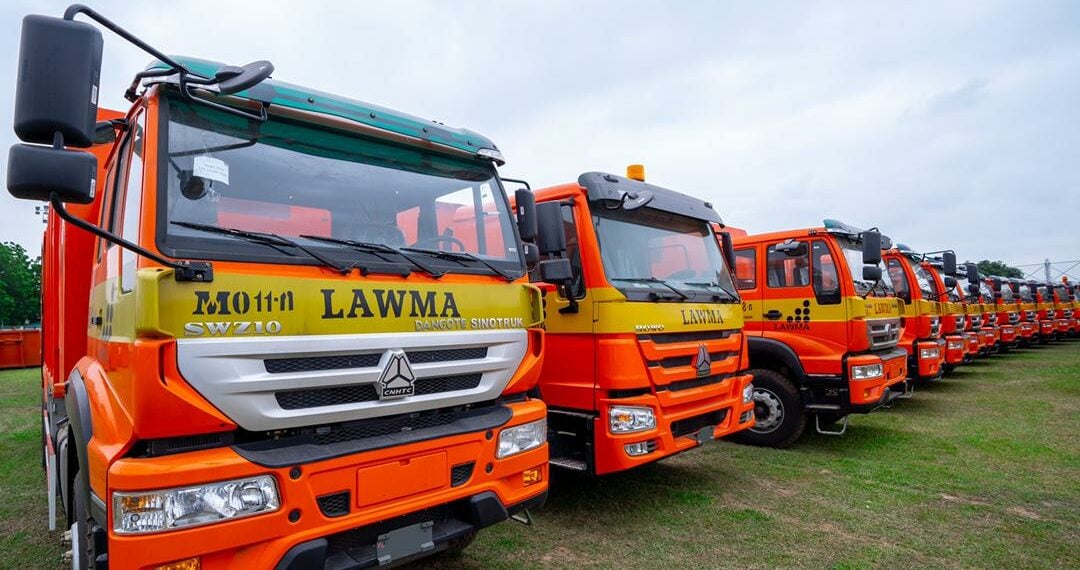
Experts in the waste management value chain, yesterday, urged the government to implement a system that effectively collects waste from the doorstep of waste generators, properly sorts it, and efficiently transports it to dumpsites for a sustainable environment in Lagos State.
They said that effective waste management also requires shared responsibility among residents, operators and government, stressing the need to expand investment in waste infrastructure to meet the demand of the ever-increasing population in Lagos.

The experts spoke during the 2026 quarterly forum of the Property and Environment Writers Association of Nigeria (PEWAN) in Lagos, where they addressed the complexities of managing waste in a megacity of over 22 million people.
Leading the discussion, Managing Director/Chief Executive Officer of the Lagos Waste Management Authority (LAWMA), Muyiwa Gbadegesin, described waste management as a critical urban governance issue with far-reaching implications for public health, flood control, environmental sustainability, and the overall functionality of the city.
Gbadegesin, who was represented by the Executive Director, Finance, LAWMA, Kunle Adebiyi, reiterated that licensed Private Sector Participant (PSP) operators collect household waste across Lagos under a structured, area-based system regulated and monitored by LAWMA, noting that over 450 operators currently serve communities in the state.
He, however, stressed that the effectiveness of the system depends not only on operational efficiency but also on residents’ cooperation in adopting proper waste disposal practices and patronising assigned PSP operators.
He warned that indiscriminate dumping of refuse and the patronage of illegal cart pushers continued to undermine structured waste management efforts and contributed to environmental challenges, such as blocked drainage and flooding.
Gbadegesin said that, beyond evacuation, the state was gradually promoting more sustainable waste practices, including sorting, recycling, and resource recovery, as part of a broader shift towards a more efficient, value-driven waste management system.
This approach, he said, reflected a growing recognition that waste should not be seen solely as a disposal problem but also as a resource that could support economic activity and environmental sustainability when properly managed.
Also, Chairman of PEWAN, Okwy Iroegbu-Chikezie, said Lagos, as a vibrant megacity, faces significant waste management challenges.
She advocated increased investment in modern waste treatment facilities and expanding collection services, implementing effective waste segregation and awareness campaigns, deploying smart bins for efficient waste management and increasing partnerships with the private sector and communities.
President, Association of Waste Managers of Nigeria, Dr Olugbenga Adebola, called for functional Material Recovery Facilities (MRFs) for sorting waste, and the formalisation of informal sector operators within the waste collection system.

