 Follow Us on Google News


 Follow Us on Google Discover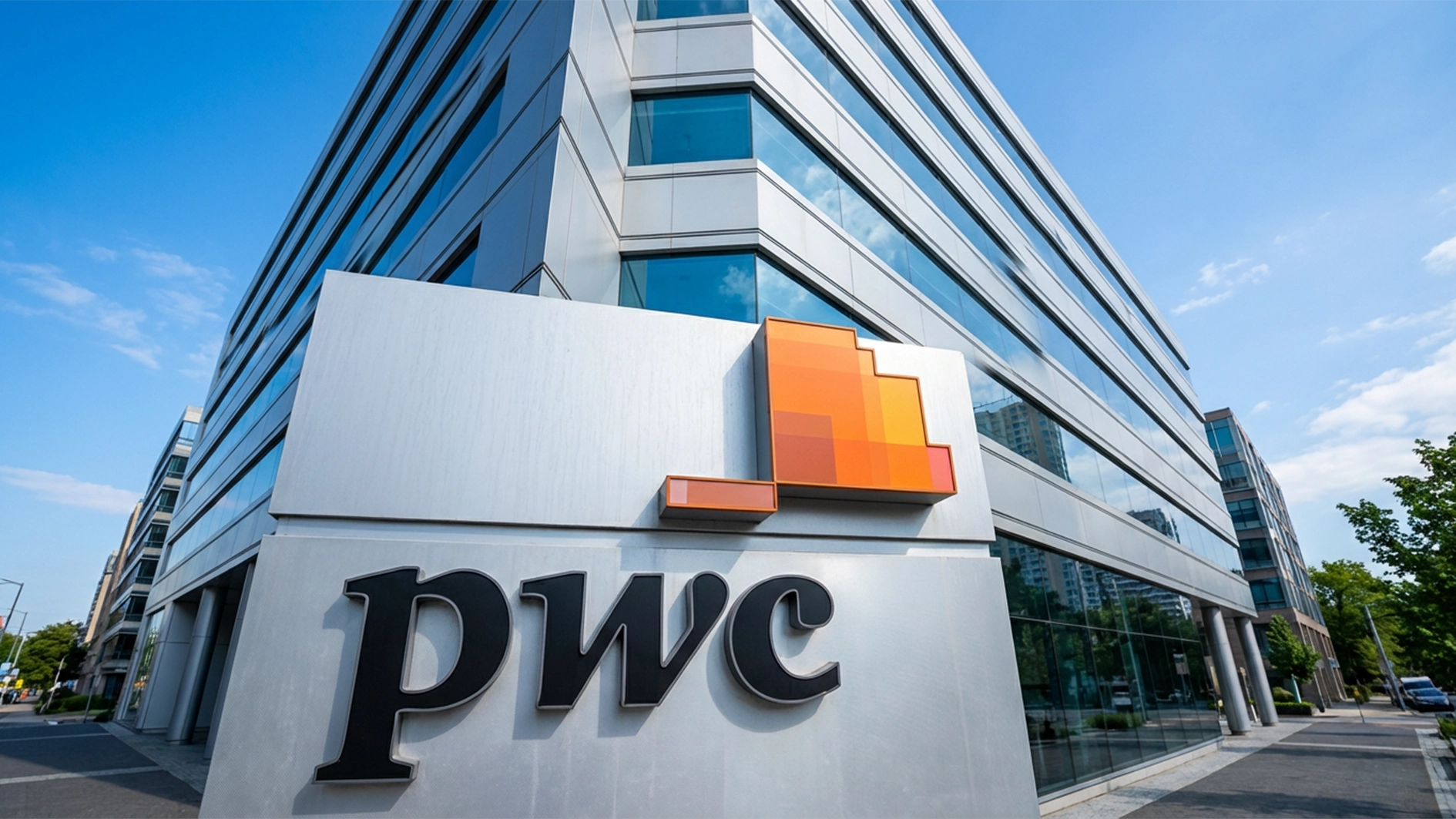
The PwC Nigeria and Lagos Business School (LBS) have signed a Memorandum of Understanding (MoU) to deliver sustainability and climate-focused capacity-building programmes for professionals, senior executives and board members across Nigerian organisations.
The partnership, announced in Lagos, is aimed at strengthening sustainability capabilities within organisations by combining PwC’s advisory experience with LBS’s executive education expertise, with programme delivery scheduled to begin in 2026 and will be open to participants across sectors.
Partner and Business School Leader at PwC Nigeria, Uloma Ojinmah, said the collaboration was designed to help organisations integrate sustainability into core business functions, including strategy, capital allocation, risk management and operations.
She noted that the initiative draws on PwC’s cross-sector advisory experience and LBS’s academic approach to equip leaders to build resilience and long-term enterprise value.
Also speaking, Partner, ESG, Sustainability and Climate Change at PwC Nigeria, Marilyn Obaisa-Osula, said that organisations’ ability to sustain growth and create long-term stakeholders’ value increasingly depends on how effectively they manage sustainability and environmental, social and governance (ESG) issues.
According to her, organisations that build sustainability capabilities across employees, executives and boards are better positioned to anticipate risks, meet regulatory expectations and gain competitive advantage.
This collaboration brings together the PwC Sustainability Academy and the LBS Sustainability Centre to develop capacity across different organisational levels, including employees, technical specialists, executives and boards.
PwC is expected to contribute industry-led advisory insights and practitioner experience, while LBS will provide academic research, curriculum design and executive learning grounded in African business realities.
The partners noted that growing expectations from investors, regulators and other stakeholders are pushing organisations to demonstrate credible sustainability performance, transparent disclosures and effective climate risk management.
They added that gaps in sustainability capability across organisations could limit the ability of sustainability priorities to influence strategy or translate into measurable outcomes.
However, Director of the LBS Sustainability Centre, Oreva Atanya, said the initiative aligns with the institution’s goal of developing responsible leaders who can integrate sustainability into governance, strategy and performance management.
She added that the collaboration would link academic depth with practical experience to help organisations build sustainability capabilities that are credible, policy-relevant and aligned with national development priorities.
Both organisations said the programmes would focus on practical understanding of climate risk, sustainability strategy and evolving regulatory expectations, with the aim of embedding them into governance systems, performance management and institutional processes.

