 Follow Us on Google News
 Follow Us on Google Discover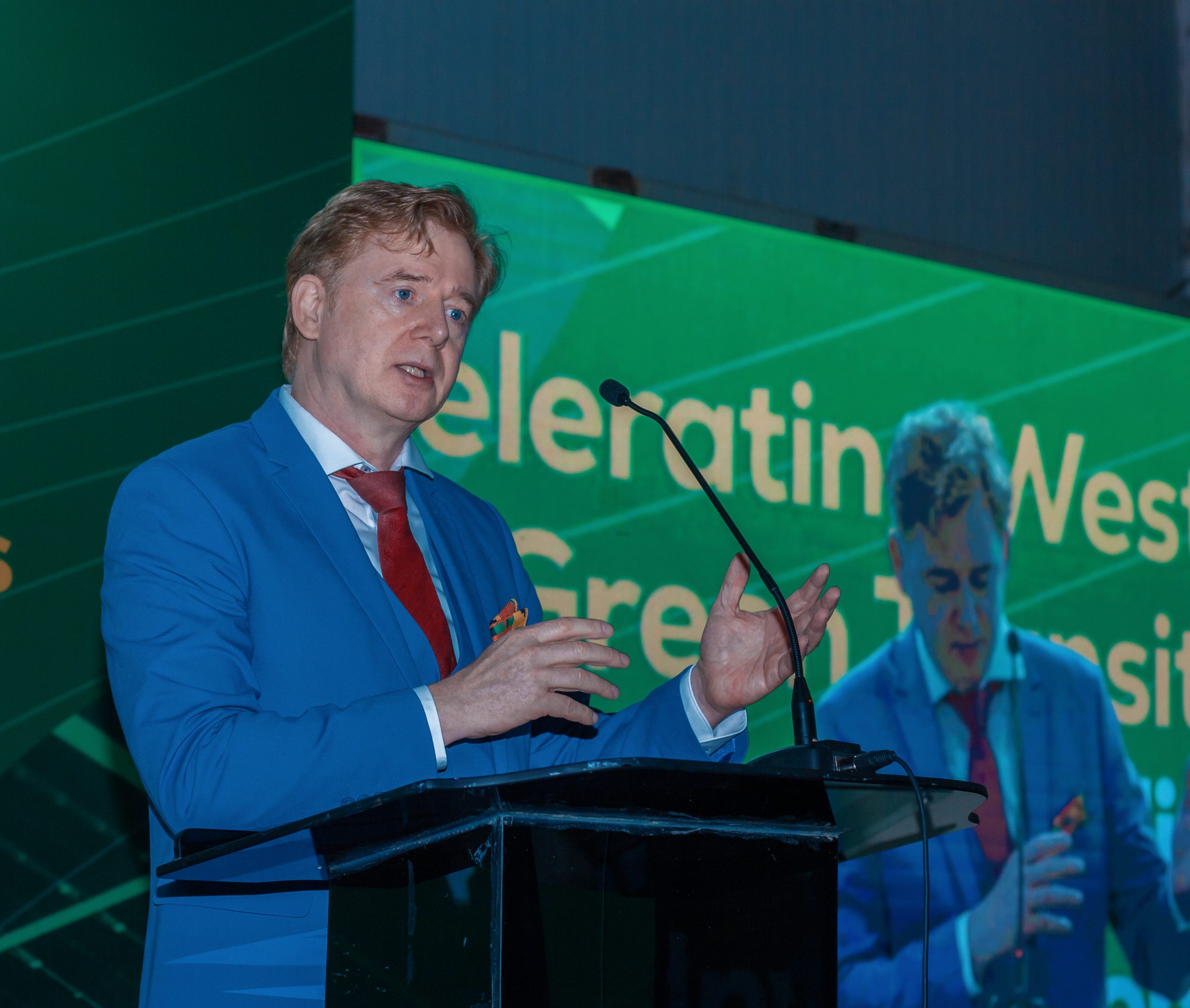
Reliable electricity could increase farmers’ income by up to 40% in Nigeria, Chief Executive Officer of EnergiseImpact Group, Ulf Brackmann, has said, highlighting the impact of stable power on agriculture and small businesses.
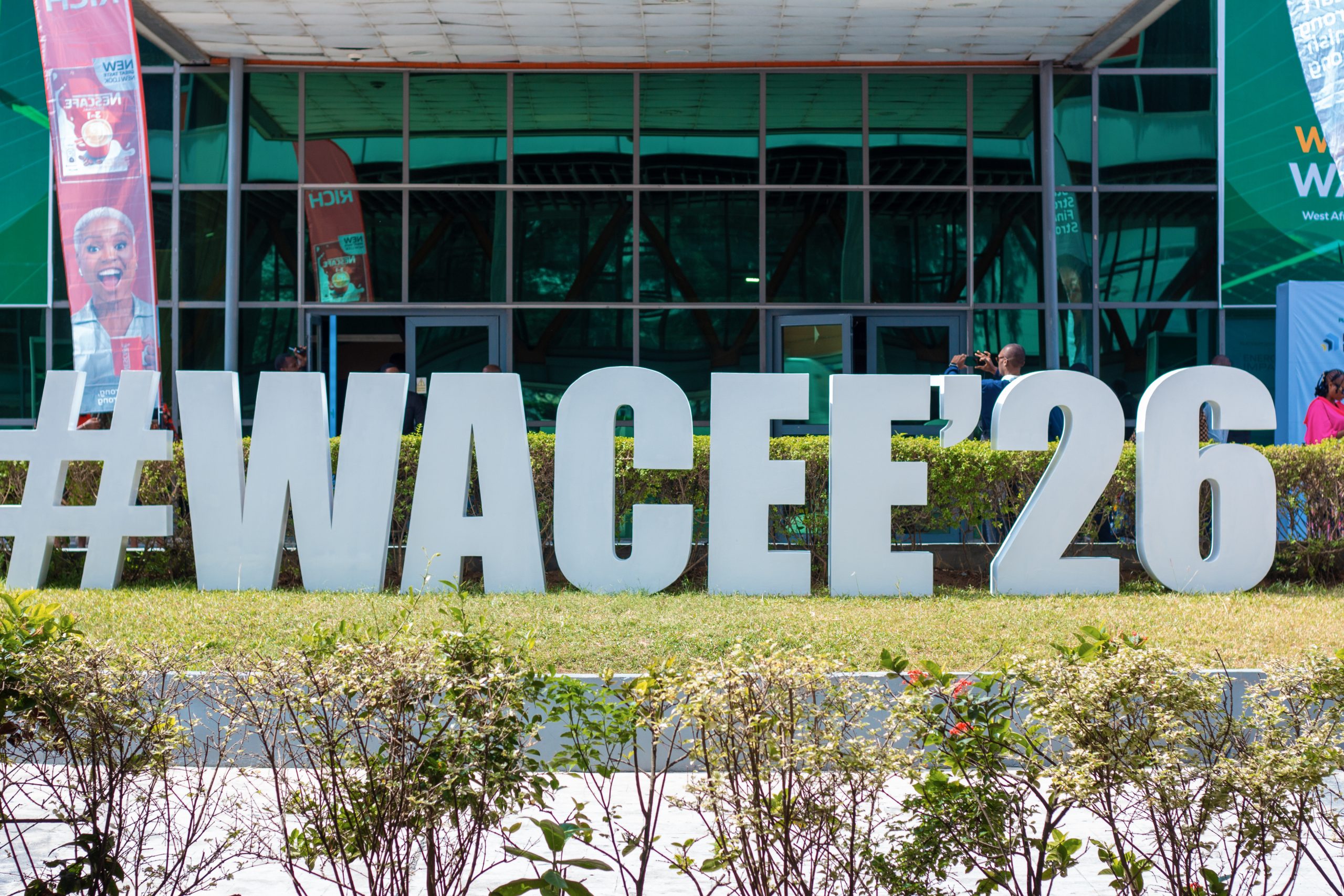
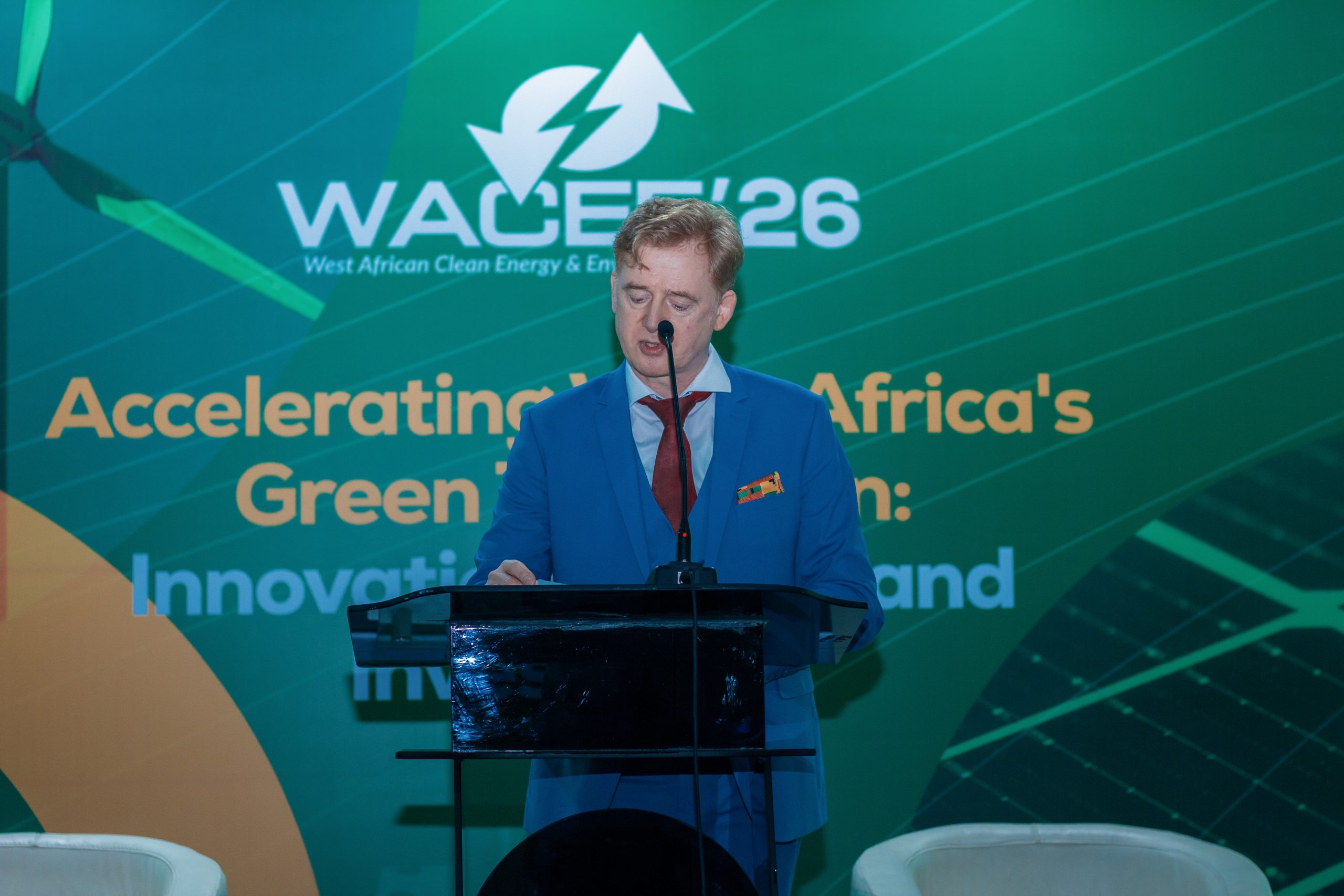
Speaking at the West African Clean Energy and Environment (WACEE), held on March 17 and 18 at Landmark Event Centre, Victoria Island, Ulf Brackmann said access to consistent electricity, particularly through solar-powered solutions, can significantly reduce post-harvest losses and improve returns for farmers.
He noted that the lack of storage and cooling infrastructure is causing significant losses of agricultural produce, limiting farmers’ income despite their output.
“When industrial power reaches a community, everything changes,” he said. “Welders work full days instead of a few hours, cold chains keep harvests fresh, shops stay open into the evening, and farmers irrigate using solar power instead of diesel.”
According to him, reliable electricity not only preserves farm produce but also enables on-site processing, allowing farmers to capture more value rather than losing profits to intermediaries or external processors.
“Farmers do the hard work, but others capture the value,” he said, stressing the need to localise processing to retain income within rural communities.
Brackmann added that improved power supply would also unlock growth for small and medium-sized enterprises, many of which operate below capacity due to unreliable electricity.
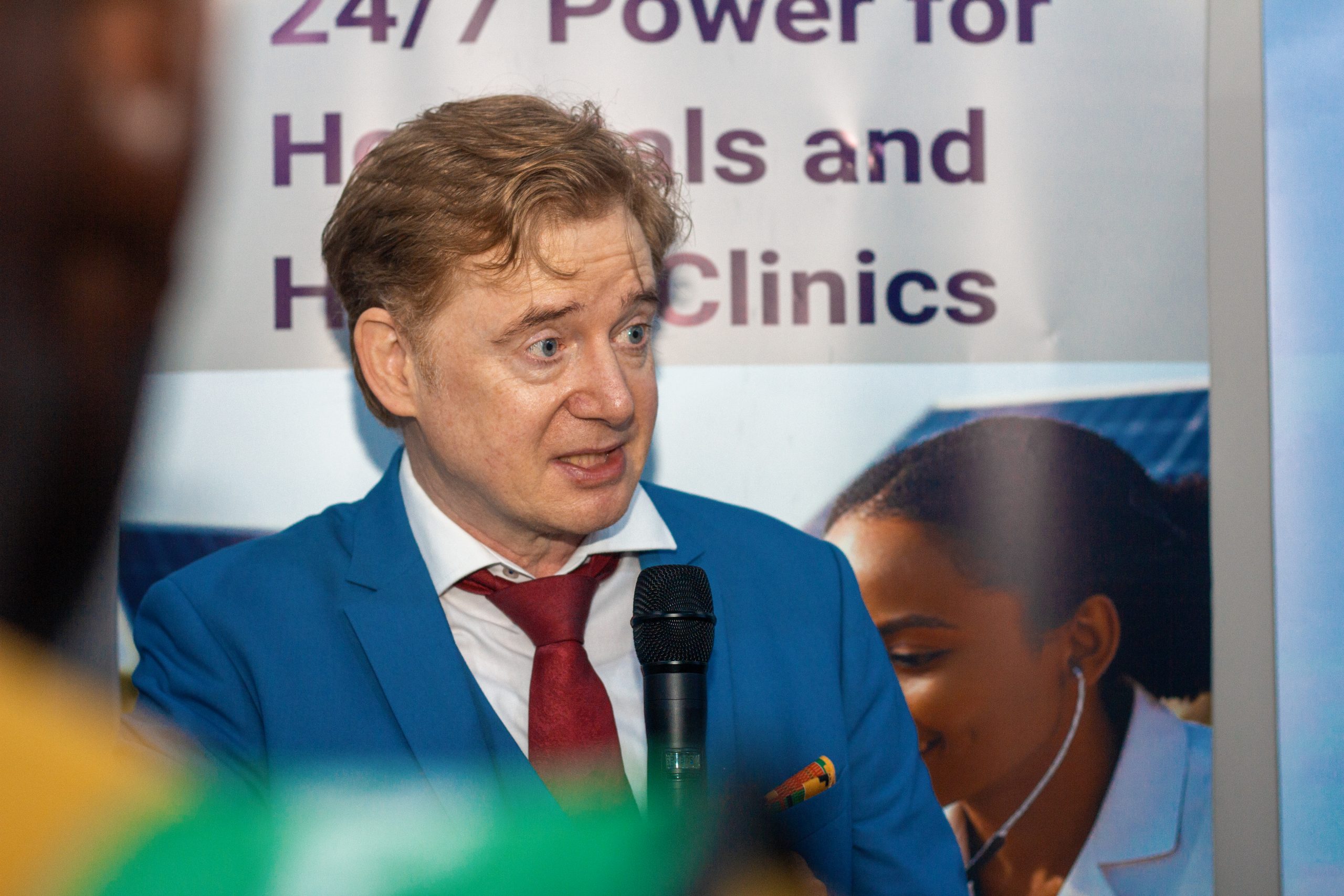
In an interview with The Guardian on the sidelines of the event, he said inconsistent power supply makes it difficult for businesses to plan operations, meet demand, or employ workers, as many can only operate for limited hours daily.
However, with round-the-clock electricity, businesses can scale production, improve efficiency, and expand their workforce.
He further noted that despite growing awareness of renewable energy, many Nigerian households and businesses continue to rely on diesel generators due to poor grid supply, effectively paying what he described as a “hidden diesel tax” that cuts into profit margins.
While investor interest in Africa’s renewable energy sector remains strong, Brackmann said many projects struggle to attract large-scale funding due to their fragmented nature.
“Too many projects are isolated, 500 kilowatts here, one megawatt there, with different contracts and risks,” he said, noting that such structures make them unattractive to institutional investors.
He added that several mini-grid projects across the continent have failed due to poor planning, unsuitable technology, or lack of maintenance, further weakening investor confidence.
To address this, he called for the aggregation of smaller projects into larger, standardised portfolios that can attract financing and reduce risk. He also emphasised the need to design energy solutions around clear revenue streams, particularly in agriculture and small-scale industries.
Brackmann warned that the sector is witnessing a “gold rush,” with inexperienced players entering the market without a proper understanding of local conditions, leading to failed projects and abandoned systems.
He urged governments to provide stable regulatory frameworks, simplify licensing processes, and integrate productive energy use into national strategies.
He also called on investors to support aggregated platforms rather than isolated projects, while encouraging developers to collaborate early in project planning to ensure sustainability.
“Success will not be measured by how many light bulbs we switch on, but by how many livelihoods we power,” he concluded.
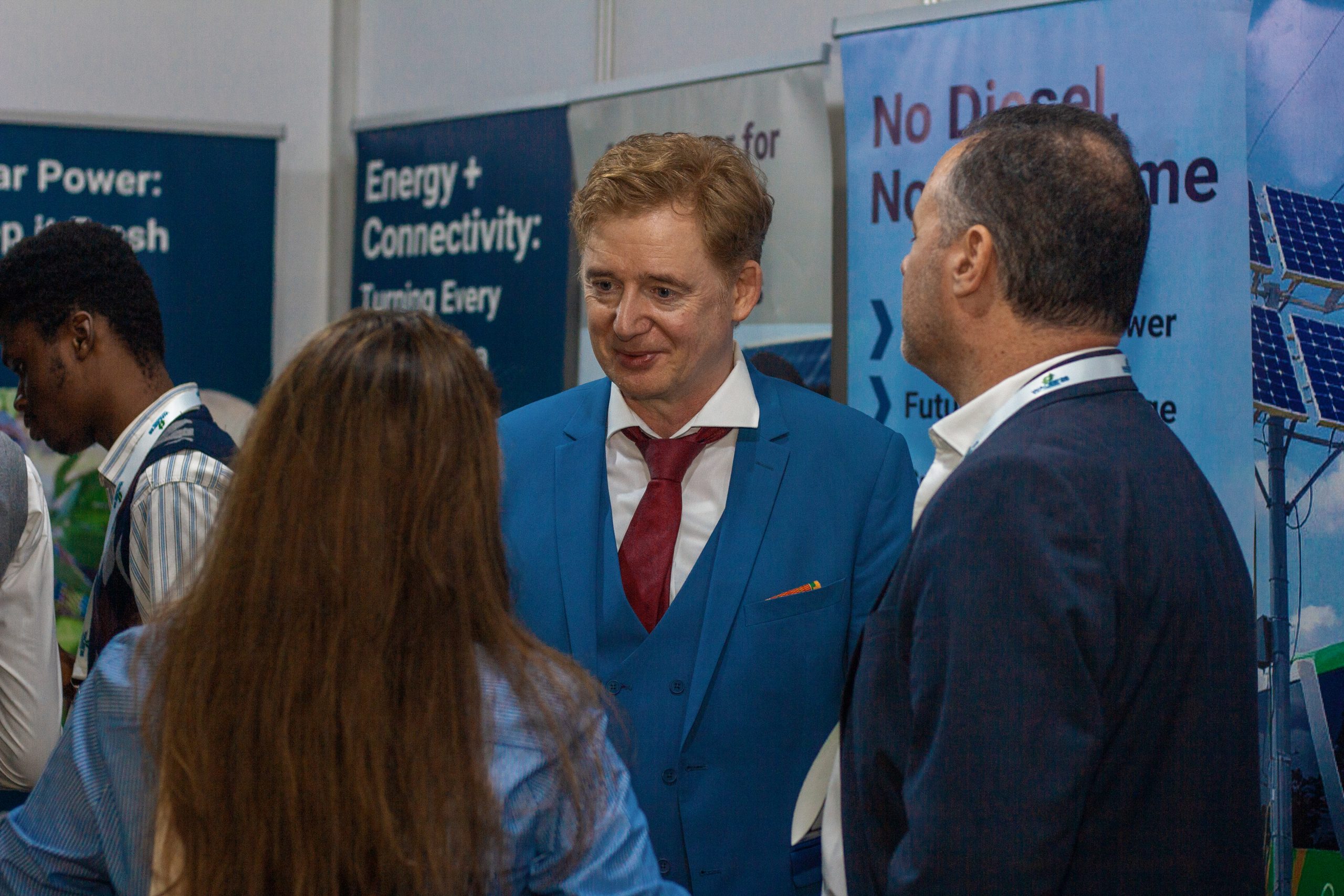
Now in its 14th edition, WACEE is themed “Accelerating West Africa’s Green Transition: Innovation, Policy & Investment” and brought together experts across sectors to discuss clean energy and investment opportunities in the region.

