GDN SIDEBAR
Colour, culture and ceremony came together in striking fashion at the Bauchi Durbar, where riders, performers and residents turned the festival into a vivid public display of heritage.
Known as one of northern Nigeria’s most celebrated traditional festivals, the Durbar brought together the pageantry, discipline and communal spirit that have kept the event alive for generations. Horsemen in richly embroidered robes rode through the gathering with calm authority, while decorated horses, layered turbans and regalia gave the occasion its unmistakable grandeur.
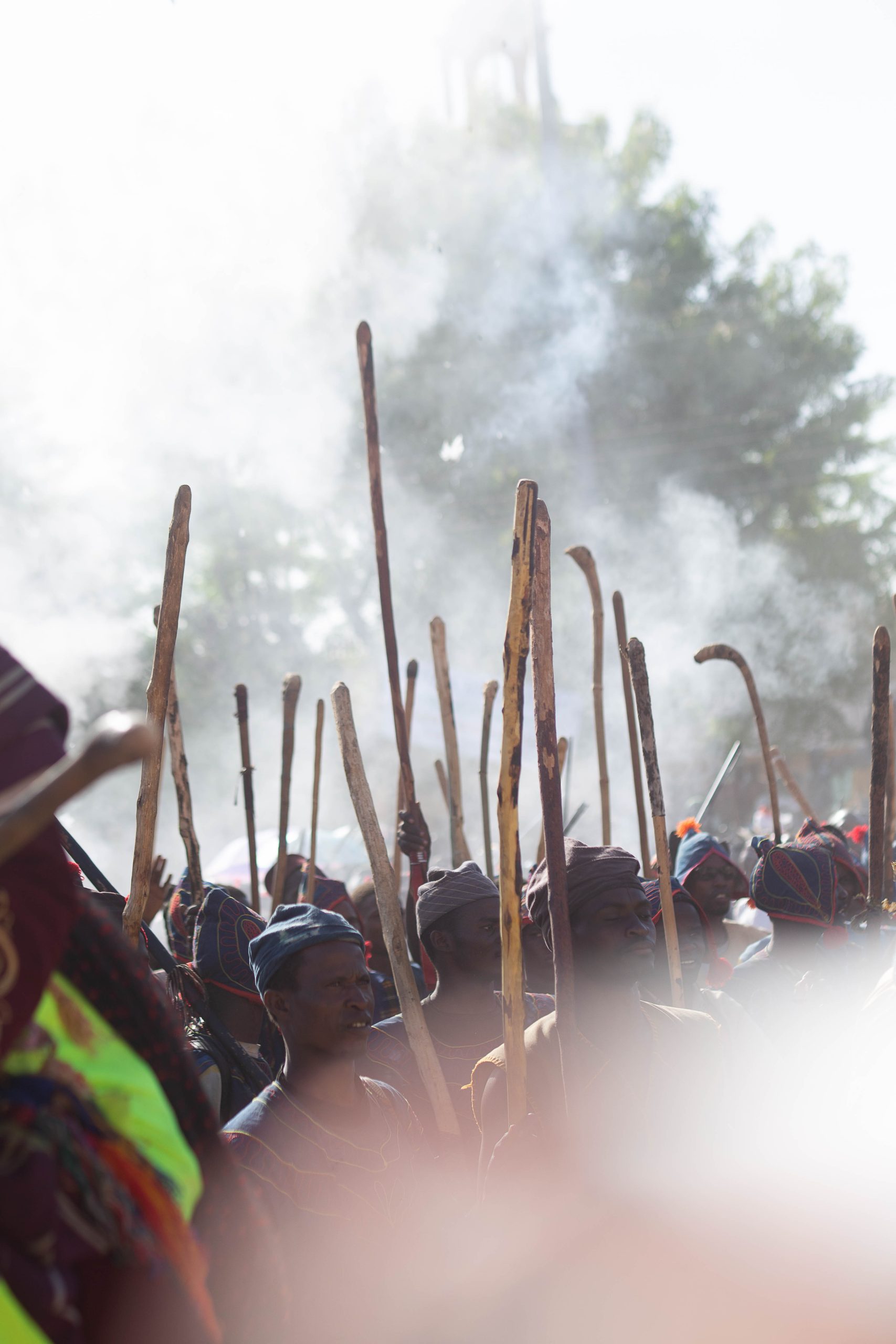
What stood out was not just the beauty of the display, but the sense of continuity it carried. Younger riders appeared alongside older ones, showing how the tradition is passed down and preserved. In that mix of age, costume and ceremony was a reminder that the Durbar is more than a public outing. It remains a living cultural practice held closely by the people.
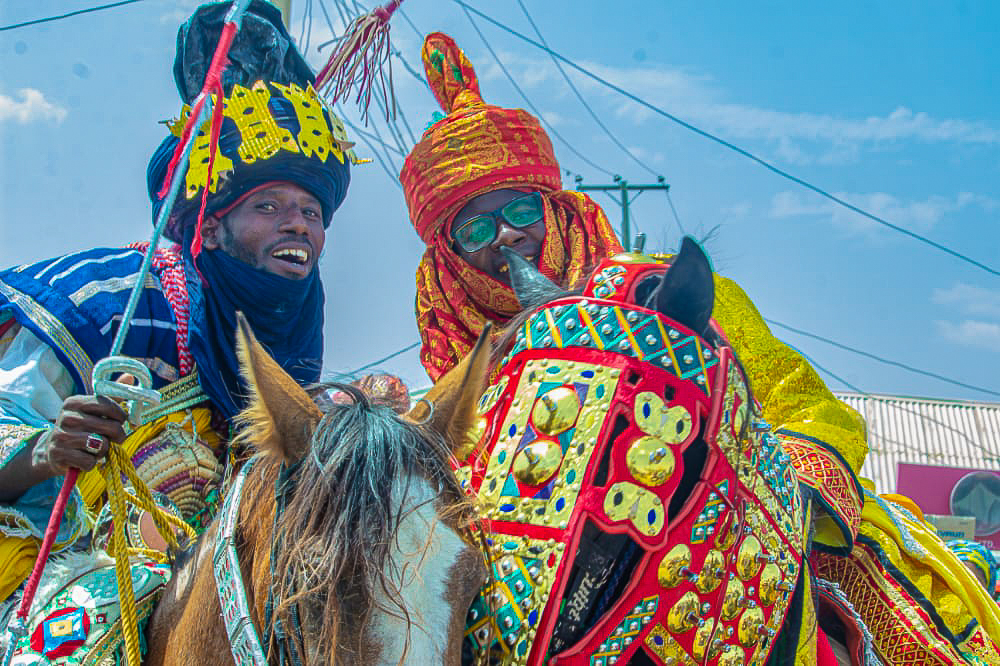
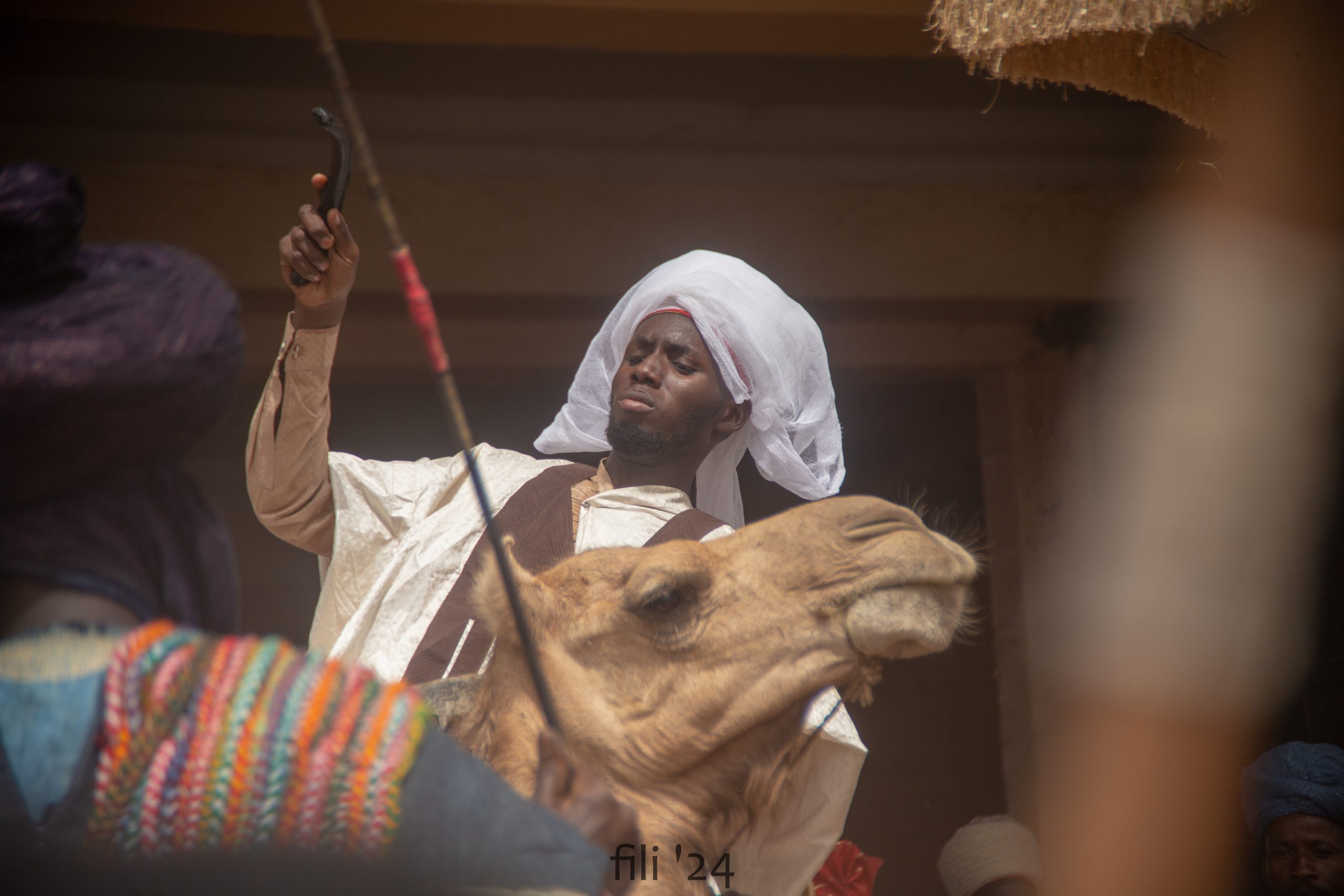
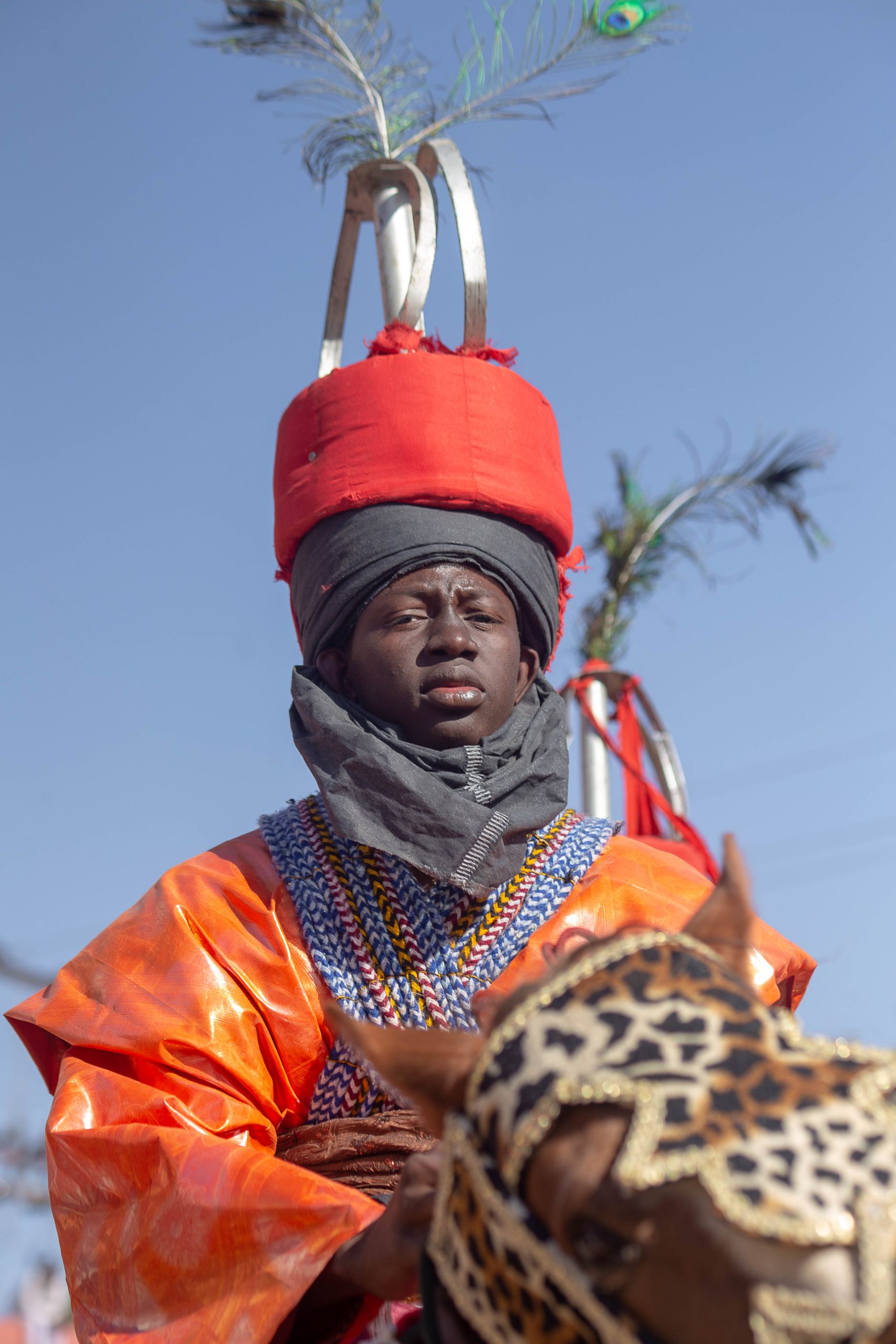
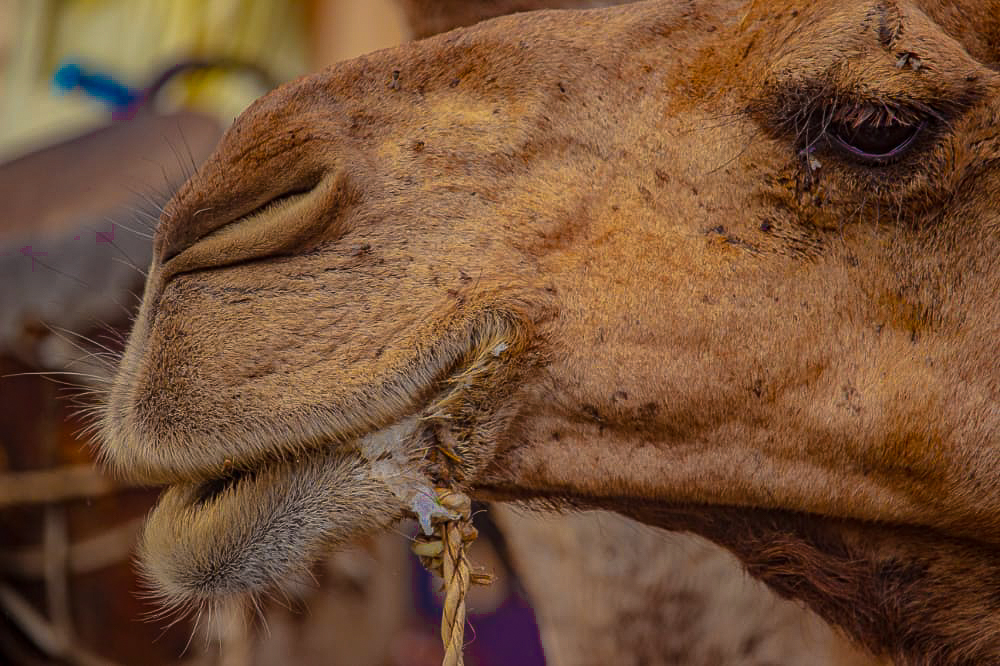
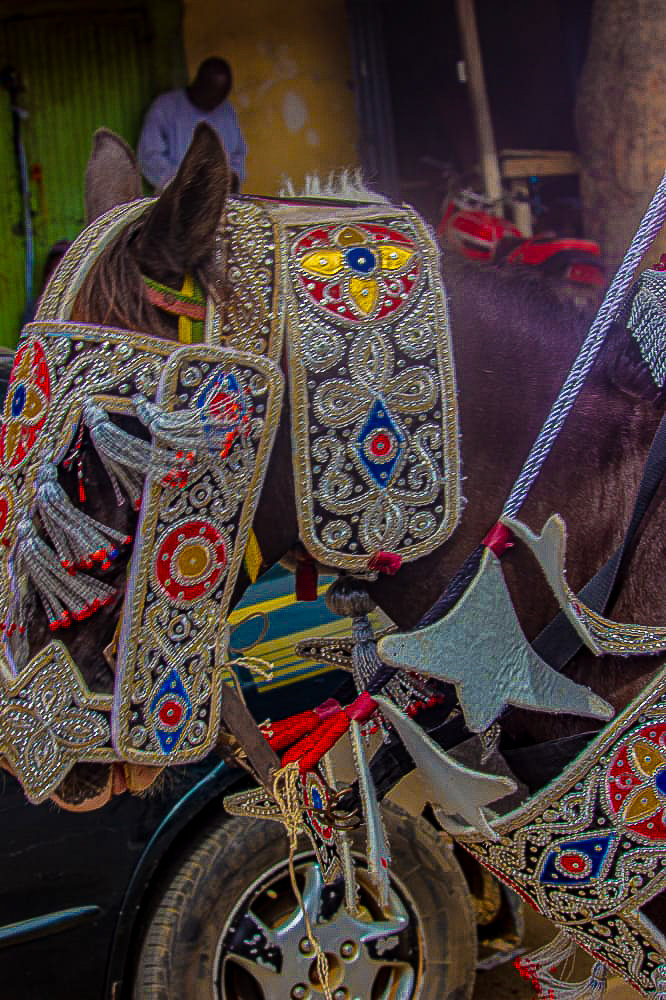
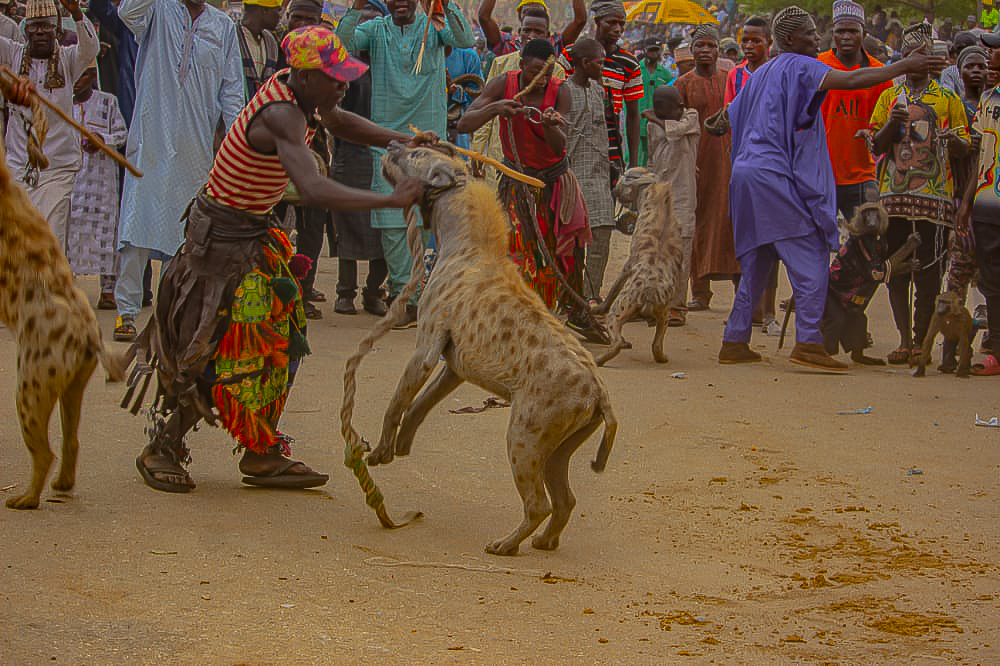
The festival also drew strength from its variety. Beyond the horsemen were camel riders, ceremonial performers and guards moving in formation, each adding a different layer to the event.
Some moments felt regal and controlled, while others carried the dust, movement and energy that have long defined the Durbar’s appeal.
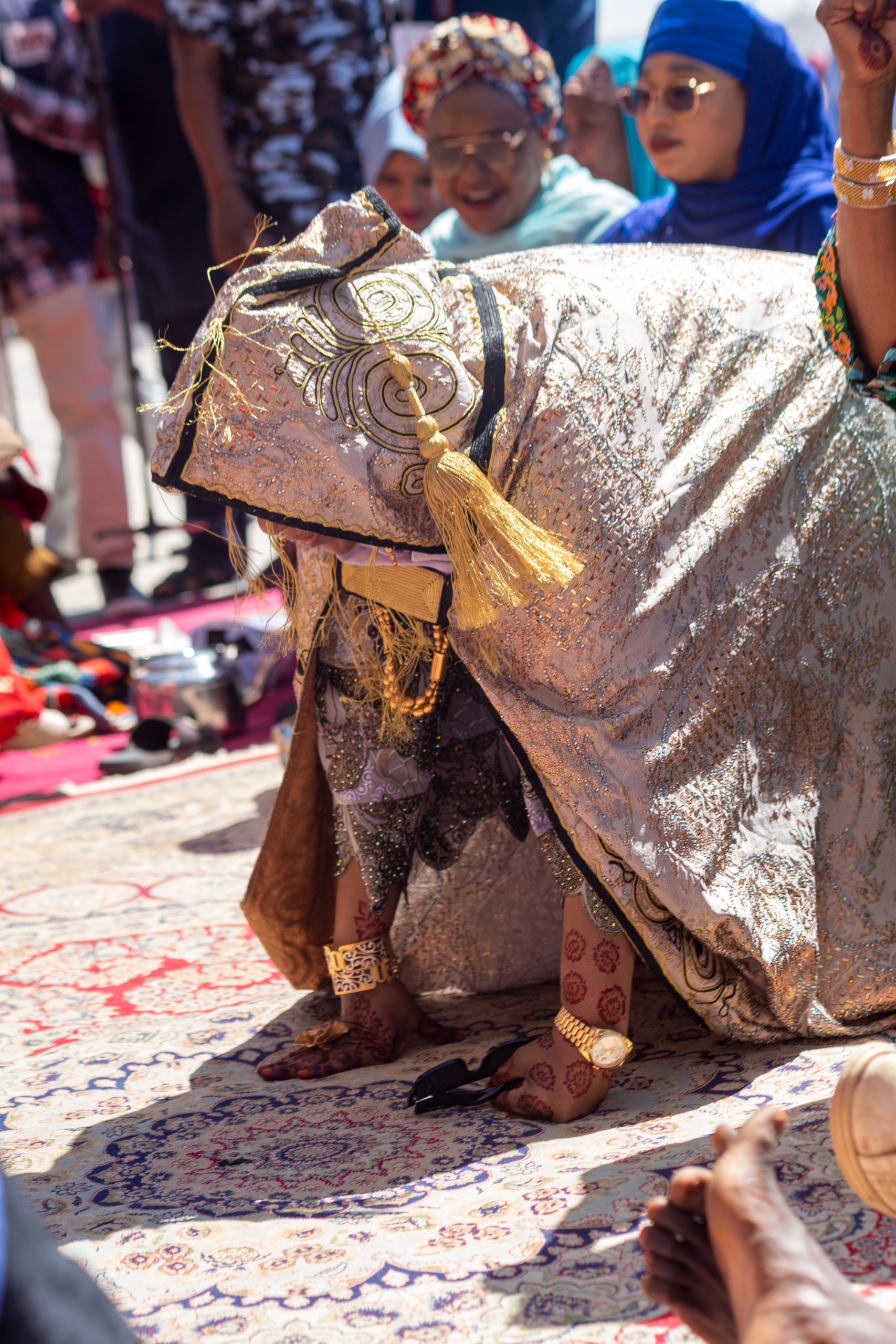
The crowd gave the celebration its heartbeat. Women in bright hijabs, men in traditional caps and groups of residents gathered closely around the procession, following every movement with pride and excitement. Their presence showed clearly that the Durbar is not just watched from a distance. It is shared.