 Follow Us on Google News
 Follow Us on Google Discover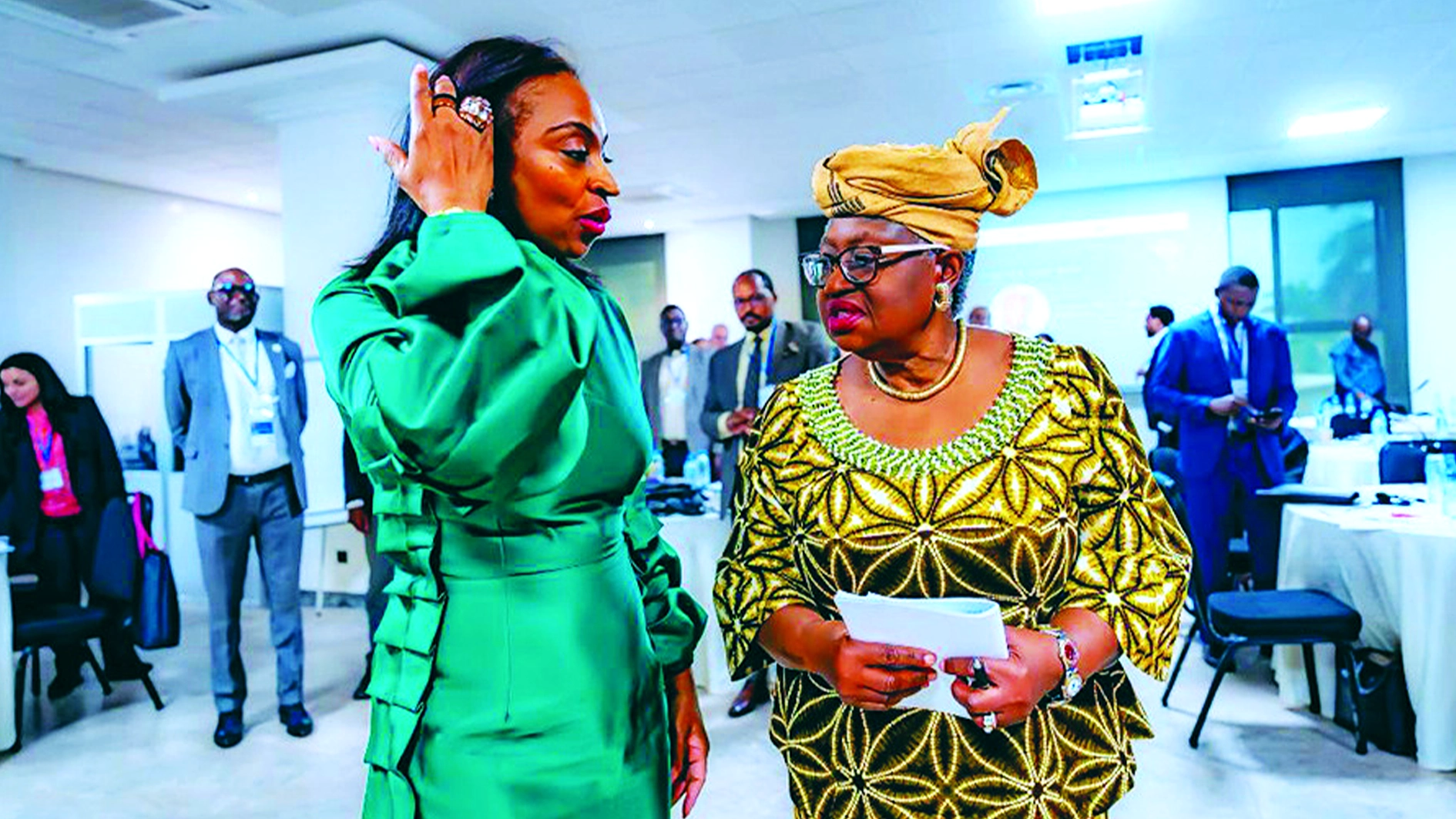
The Minister of Industry, Trade, and Investment, Dr Jumoke Oduwole, has called for fairness, development and a level playing field, urging the global trade body to create a global trading system that is fair, inclusive and equitable.
Speaking during a session at the just-concluded World Trade Organisation (WTO) Ministerial Conference (MC14), held in Cameroon, she raised various points of concern, including how fairness interplays with trade liberalisation, right to regulate and ambitions for trade diversification, which she said are all closely linked to economic transformation.
She said the WTO must honestly confront the question of Africa’s position in the international trading system.
“Our share of global trade in goods is at two per cent; our share of trade in services is also two per cent. With digital services, the fastest-growing segment of international trade, Africa’s share stands at less than one per cent. When we look at the levels of intra-African trade in goods and services, the story is similar.
“In 2024, formally recorded intra-African trade in goods stood at 16 per cent. We must urgently and honestly confront our productivity levels. To enhance our negotiating position at the WTO and in the multilateral trading system, we will need to substantially increase our trade volumes and the value of our trade,” she said.
Listing the second point as industrialisation, she said, Nigeria and the rest of Africa have long desired a policy space to industrialise and technology transfer for development.

“As we advocate for fairness and development in the multilateral system, there are very hard and real questions that we must answer in the context of artificial intelligence adoption and broader digitalisation. We must rapidly recalibrate our understanding of our interests, ambitions and positions at the WTO,” she said.
She said a critical look at the economic success stories of the last three decades shows a consistent pattern of trade in services and digitalisation driving domestic economic transformation as well as international trade.
“Thirdly, our advocacy and efforts at the multilateral level can be inspired by our continental efforts. The African Continental Free Trade Area Agreement (AfCFTA) provides an excellent benchmark on managing diverse interests. The Most Favoured Nation (MFN) principle is qualified by another principle of reciprocity to limit free-riding. Nigeria did not benefit from reduced tariffs in other AfCFTA State Parties until it gazetted its AfCFTA schedule of tariff concessions. It was only when Nigeria applied reduced tariffs on imports from AfCFTA State Parties that the exports enjoyed similar treatment.
“Also, the AfCFTA Protocol on Trade in Services removes regulatory and related barriers that affect African services, firms and individuals as they move across countries. African countries felt they had not benefited much from the General Agreement on Trade in Services (GATS), the WTO arrangement in place since 1995. Learning from limitations encountered at the multilateral level, they introduced continental regulatory frameworks for services to ensure there is a fair and predictable rulebook. Efforts are also ongoing for the mutual recognition of qualifications and certifications,” she said.
On special and differential treatment, she said, the AfCFTA demonstrates pragmatic resolve to achieve shared objectives while accounting for very different contexts.
“AfCFTA State Parties will remove 97 per cent of tariff lines. This is the agreed benchmark for liberalisation. However, least developed countries will bring tariffs down over a longer period. We need to reflect on both our domestic approaches and posture at the multilateral level. Nigeria will continue to advocate that multilateral trade rules reflect the aspirations and requirements of all its members, accounting for various stages of development,” she said.
At the opening session, WTO Director-General, Dr Ngozi Okonjo-Iweala, acknowledged that the gathering was taking place at a difficult moment for world commerce and the multilateral trading system.
“We cannot deny the scale of the problems confronting the world today, and it is no secret that the world trading system is experiencing the worst disruptions in the past 80 years. The world order and multilateral system we used to know has irrevocably changed and will not get it back,” she said.

