 Follow Us on Google News
 Follow Us on Google Discover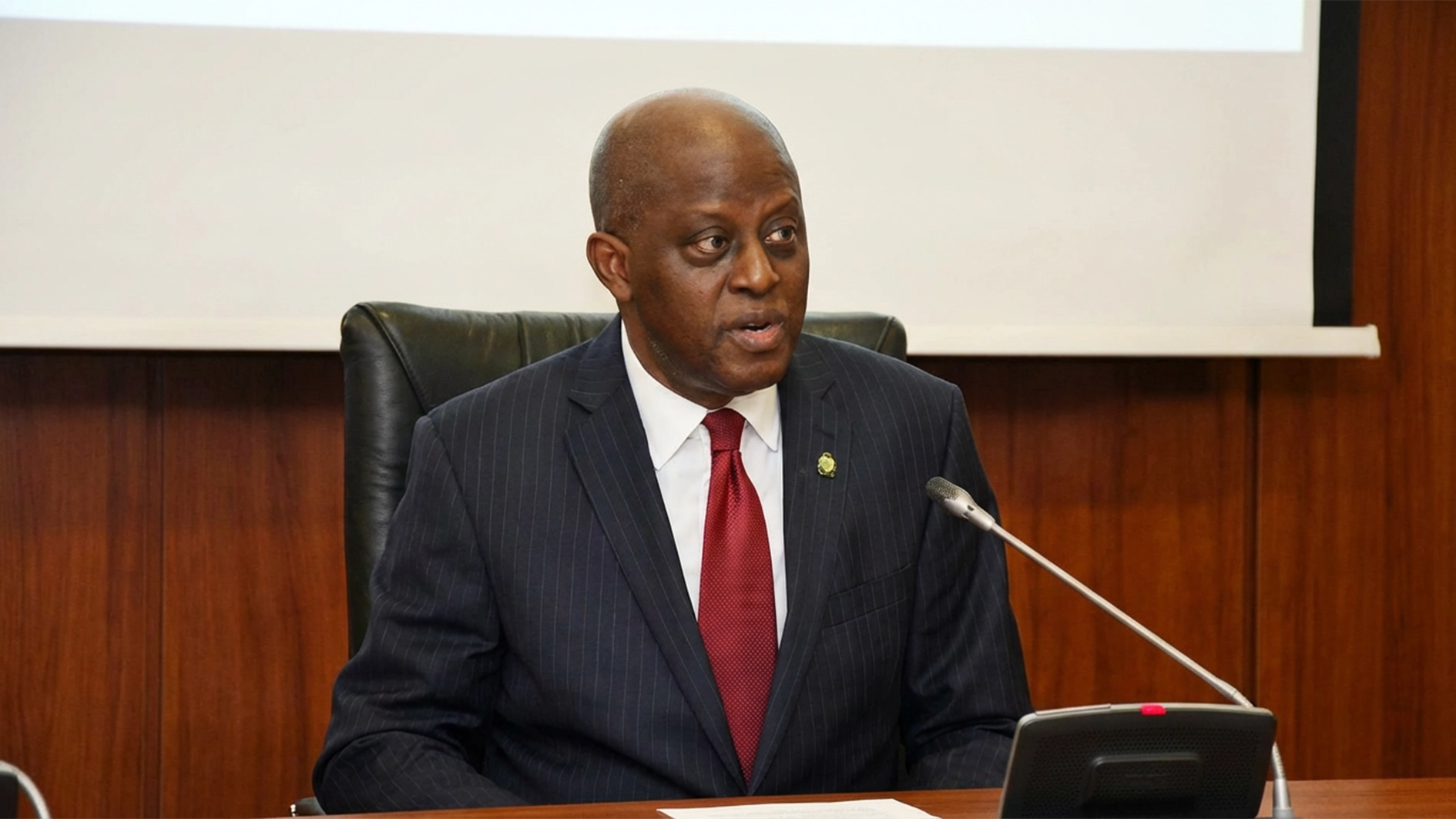
The Central Bank of Nigeria has ended its 24-month bank recapitalisation programme, while launching a new supervisory pilot targeting virtual asset service providers, a move aimed at strengthening financial system oversight.
In a statement yesterday, the CBN said the banks raised N4.65 trillion in fresh capital between March 2024 and March 2026, with 33 banks meeting the revised minimum capital thresholds set by the CBN.
A few others remain trapped in regulatory forbearance and court processes, though the CBN said “all banks have remained fully operational”.
Domestic investors accounted for 72.55 per cent of the capital raised, while foreign investors contributed 27.45 per cent or N1.28 trillion.
The figures overshadowed the N406.4 billion recorded during the landmark 20004/2005 exercise.
But it tells a more nuanced story when adjusted for dollar value. At face value, the N4.65 trillion raised in the latest exercise represents more than an eleven-fold increase on the N406.4 billion secured in the previous exercise supervised by Prof. Charles Soludo.

In 2005, when the naira traded at roughly N130 to the dollar, the N406.4 billion raised translated to about $3.1 billion.
By contrast, using the current exchange rate of about N1,380/$, the N4.65 trillion raised in the past two years is equivalent to roughly $3.37 billion, suggesting that capital injection is only marginally what the consolidated 25 banks raised about two decades ago.
The structure of funding also highlights a shift in investor behaviour. The 2005 recapitalisation attracted significant foreign participation, driven by optimism around banking reforms and Nigeria’s macroeconomic outlook at the time.
In contrast, the 2024–2026 exercise leaned more heavily on domestic capital, with over 70 per cent of the funds sourced locally.
The CBN said the recapitalisation has pushed capital adequacy ratios above Basel benchmarks, with minimum thresholds retained at 10 per cent for regional and national banks and 15 per cent for international banks.
CBN Governor, Olayemi Cardoso, said the exercise has strengthened the banking system’s ability to withstand shocks and support economic growth.
He added that lenders will now operate under a tighter risk-based supervisory framework, including mandatory stress testing and stricter capital buffer requirements.
Meanwhile, the CBN has also commenced an anti-money laundering and counter-terrorism financing (AML/CFT) supervision pilot involving six virtual asset service providers: cNGN, Flutterwave, Juicyway, KoinKoin, KuCoin and Paystack.
The pilot, which began on March 31, focuses on compliance with anti-money laundering, counter-terrorism financing and counter-proliferation financing regulations.
The apex bank clarified that participation does not amount to licensing or regulatory approval.
Under the arrangement, participating firms are required to submit monthly compliance reports, undergo assessments of their governance and transaction monitoring systems and present plans for implementing the Financial Action Task Force (FATF) Travel Rule, which mandates the sharing of sender and recipient information in financial transactions.
The CBN said the pilot would be implemented in phases, with subsequent stages already outlined and no provision for new entrants.
While the CBN is careful and does not clearly state the circular means full regulation, it suggests that the regulator is no longer passive in the face of rising virtual asset adoption.

