 Follow Us on Google News
 Follow Us on Google Discover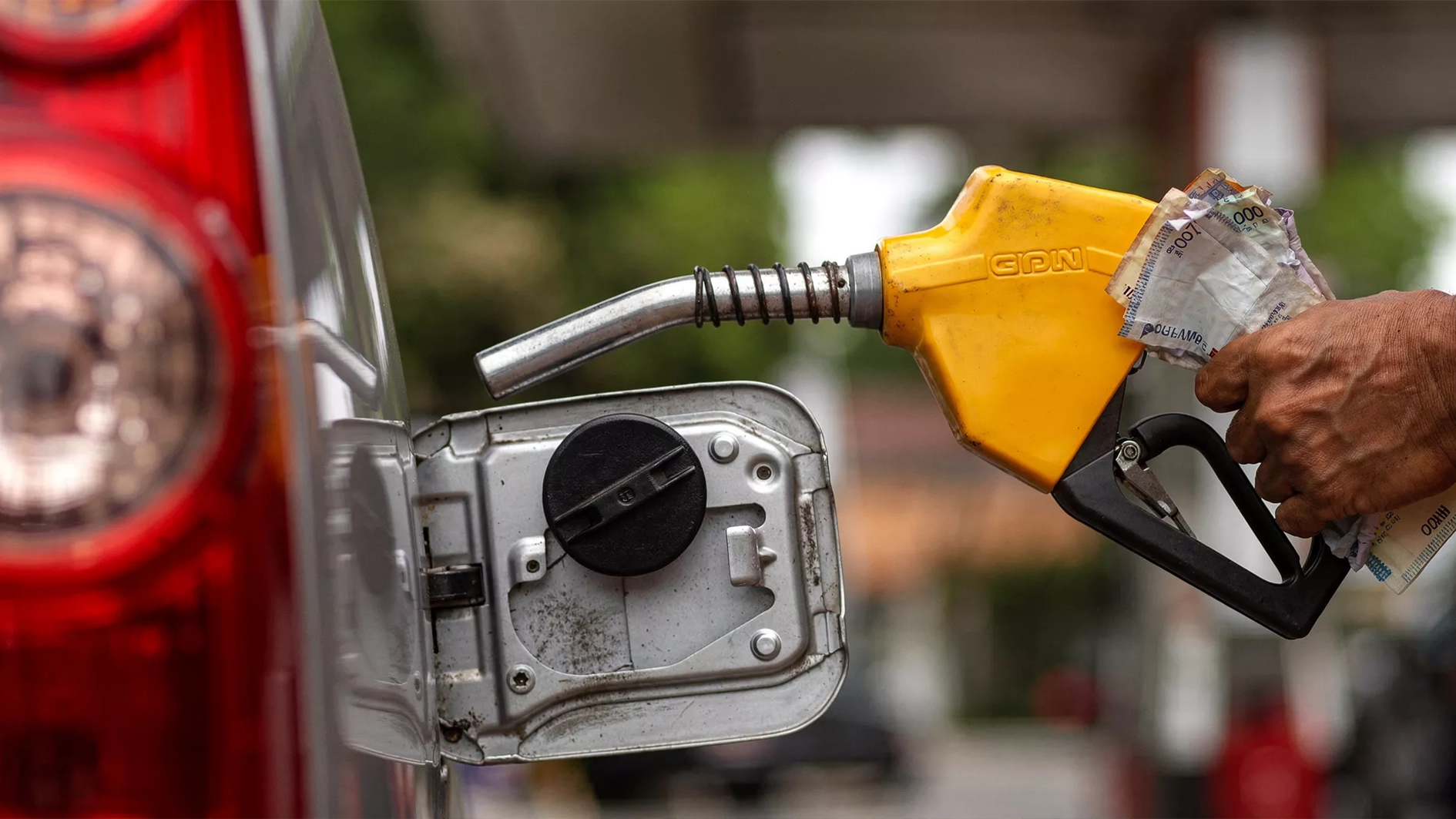
Rising fuel prices are forcing more Nigerians to consider electric vehicles (EVs) as a practical alternative, industry experts have said.
They cited lower running costs and emerging financing models as key drivers of the shift.
The stakeholders, who spoke at the Abuja Compact on Electric Mobility Roundtable, explained that the pressure from increasing petrol costs is reshaping transport choices for both individuals and businesses, turning EVs from a niche option into a viable solution for cost management.
According to them, as transport expenses take a larger share of household and business income, many Nigerians are beginning to see electric mobility not as a futuristic concept, but as a necessary adjustment to survive current economic realities.
Speaking at the event, Chairman, Presidential Initiative on Compressed Natural Gas and Electric Vehicles (Pi-CNG & EV), Ismaeel Ahmed, noted that the cost advantage of EVs has become more pronounced following the removal of fuel subsidy.
He disclosed that charging an electric vehicle for a 200-kilometre journey costs about N4,500, compared to approximately N22,500 for the same trip using petrol, describing the gap as a significant incentive for adoption.

Ahmed explained that the Federal Government is pursuing a phased energy transition that accommodates both CNG and EVs rather than prioritising one over the other.
On financing, Divisional Head, Core North, Alternative Bank, Mohammed Abdul, said innovative models are helping to bridge affordability gaps, particularly within Nigeria’s informal transport sector.
He observed that lease-to-own arrangements, partnerships and pay-as-you-go systems are enabling drivers to acquire EVs without high upfront costs.
In his remarks, Chief Executive Officer of Bankrol Camel EV and Blue Camel Energy Ltd, Yusuf Suleiman, described electric mobility as an opportunity that extends beyond transportation to broader economic development.
He said investments in EVs could improve energy access, drive industrialisation and reduce the country’s dependence on imported fossil fuels.
Chief Operating Officer of Bankrol Camel EV, Ahmed Garba Ahmed, said electric vehicles could reduce energy costs per kilometre by up to 60 per cent, making them attractive to ride-hailing drivers, fleet operators and logistics firms.
President of the Electric Mobility Promoters Association of Nigeria (EMPAN), Dapo Adesina, said the benefits of EVs extend beyond transport into the power sector.
He explained that solar-powered charging hubs could support both vehicles and nearby communities, especially in areas with limited access to electricity.

