 Follow Us on Google News


 Follow Us on Google Discover
As Women’s Month draws to a close, a look at the women shaping how Africa creates, retains, and scales value
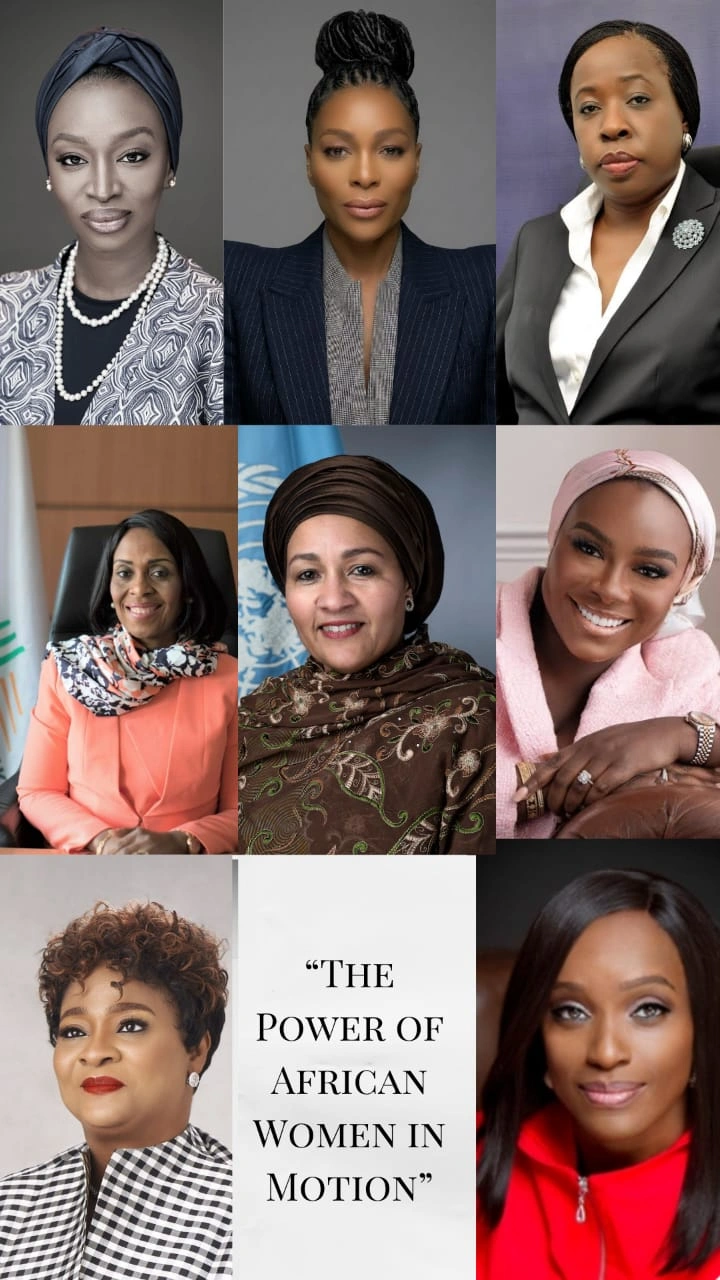
Africa has long been a source of value — in resources, talent, culture, and innovation.
Yet for decades, much of that value has been structured, scaled, and monetised elsewhere, leaving the continent positioned as a supplier within global systems it does not fully control.
That dynamic is beginning to shift.
As Women’s Month draws to a close, it offers a moment not just for recognition, but for reflection — on the direction Africa’s future must take, and the individuals helping to shape it.

Across sectors, a new class of women is emerging — not simply as participants in growth, but as architects of the frameworks that will define it. Their work spans enterprise, trade, technology, governance, and global engagement, each contributing to a broader repositioning of how Africa participates on the global stage.
This is not a list of visibility.
It is a reflection of influence at the level of systems.
- Ibukun Awosika
Strengthening Enterprise and Institutional Foundations
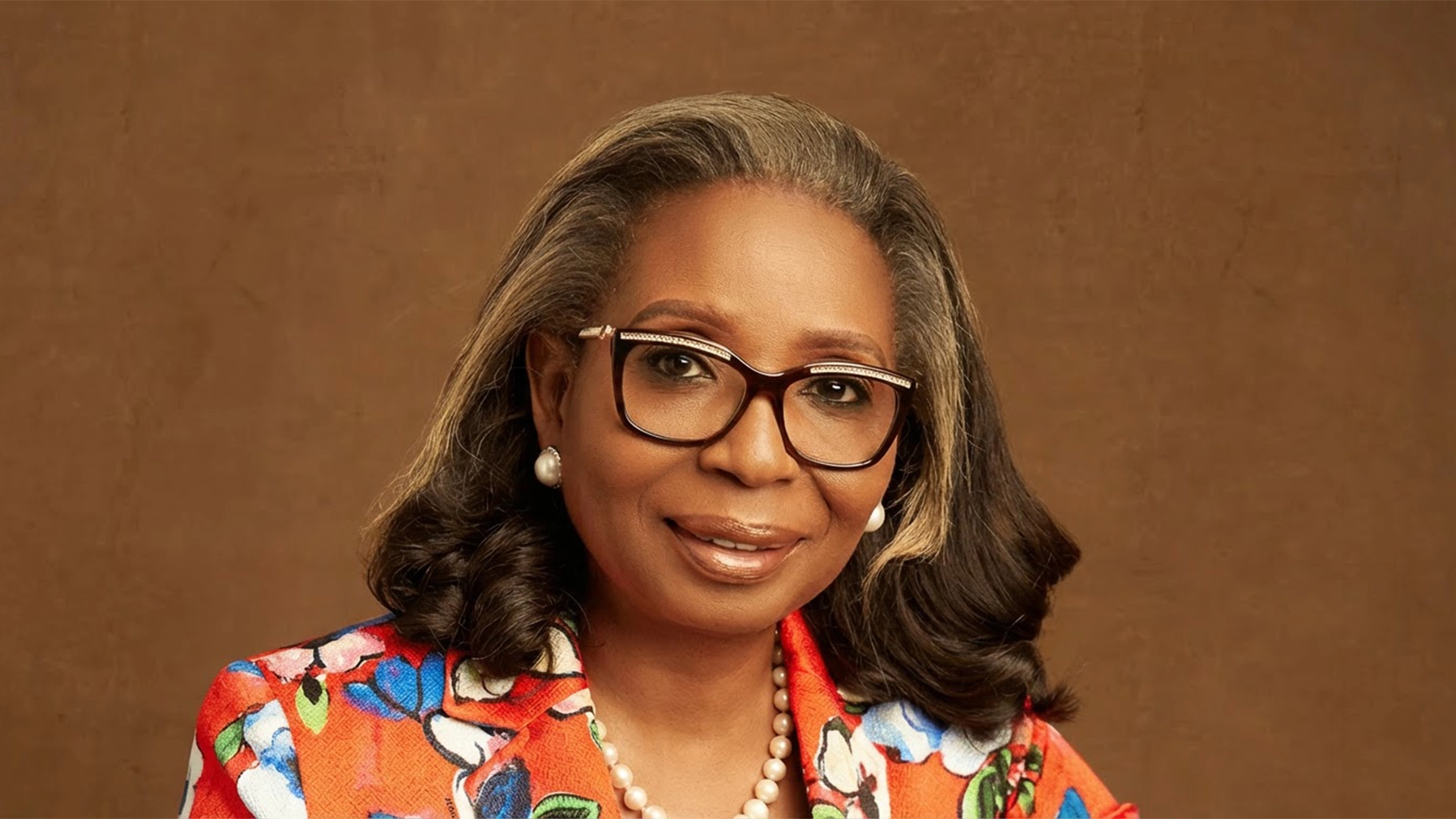
Ibukun Awosika has built a distinguished career at the intersection of entrepreneurship, corporate governance, and institutional leadership, contributing significantly to the strengthening of Nigeria’s business landscape over several decades.
As former Chairman of First Bank of Nigeria, she provided strategic direction to one of the country’s most important financial institutions, reinforcing governance structures within a complex and evolving economic environment.
Her experience spans manufacturing, retail, and advisory, reflecting a deep understanding of how businesses are built, scaled, and sustained. Beyond corporate leadership, she has remained actively involved in mentoring entrepreneurs and supporting enterprise development across multiple sectors.
Educated at the University of Ife (now Obafemi Awolowo University) and Lagos Business School, she combines practical business experience with institutional insight.
Her work underscores a central principle: sustainable economies are built not only on innovation, but on strong, enduring institutions capable of supporting growth at scale.
- Ayobami Animashaun
Architecting Africa’s Economic Repositioning
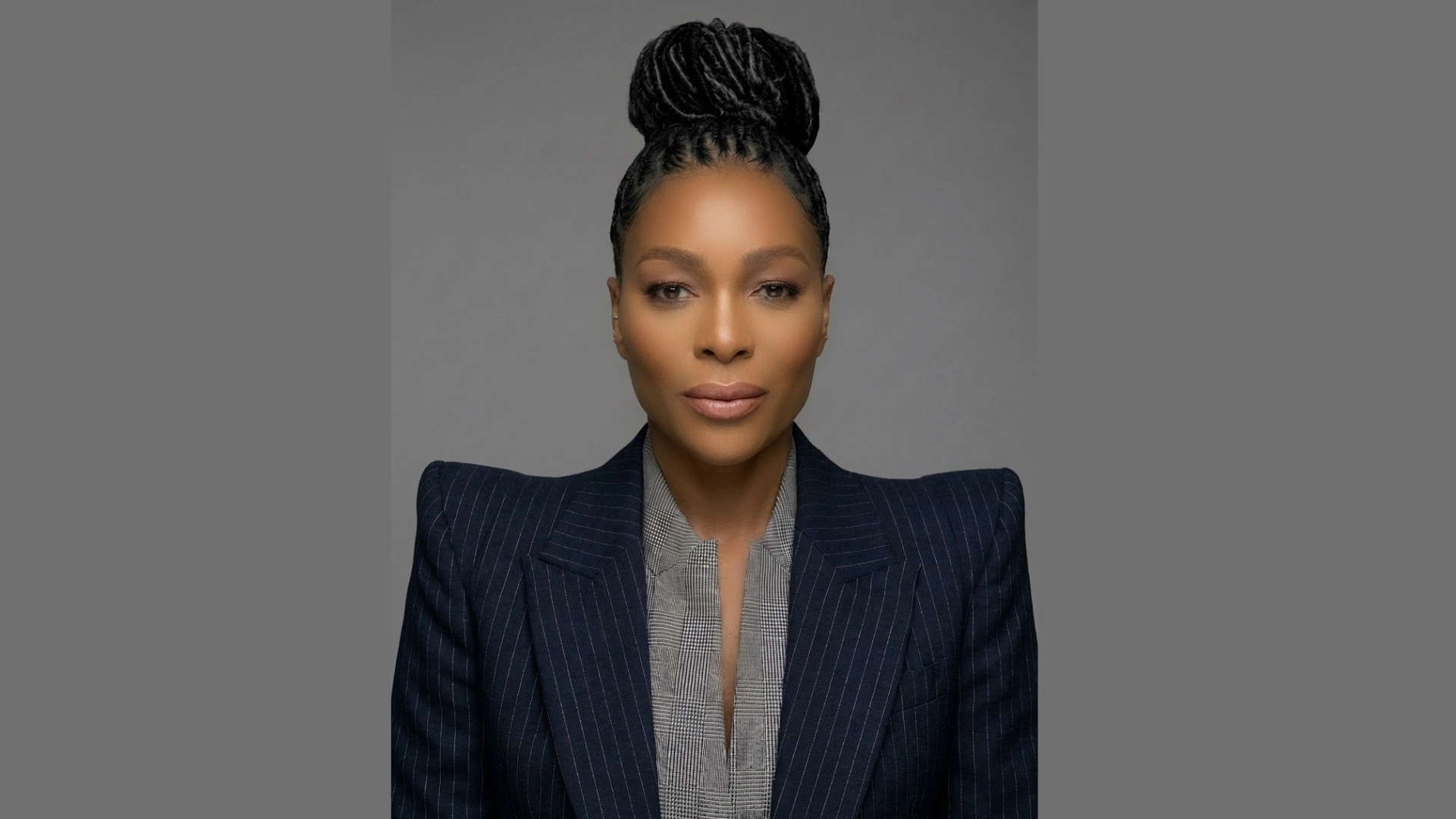
Ayobami Animashaun has rapidly emerged as a defining force in reimagining how innovation drives economic transformation—and as one of the leading architects of Africa’s economic repositioning. A British-Nigerian software engineer, champion of technology adoption, and advocate for process optimisation, she leverages artificial intelligence and advanced technologies to drive efficiency, unlock insights, and enable smarter, data-driven decision-making at scale. As the driving force behind ‘Africa Beyond Extractives and Nigeria Beyond Oil Initiatives’, and President and Founder of Vanity Hub Africa, she is advancing a bold, execution-led model that moves the continent beyond resource dependency toward an innovation-powered, trade-driven future.
Her professional trajectory spans leading FTSE 100 global institutions, including Intel Corporation, Cisco Systems, and American Express, alongside senior leadership within the downstream energy and net-zero landscape. This experience places her at the critical intersection of digital infrastructure, capital, and economic transformation. An alumna of King’s College London and the University of Leicester, she combines technical depth with a systems-level understanding of how modern economies are designed, financed, and scaled.
Her philosophy is direct and unapologetic: TRADE NOT AID. Through her platform, she is contributing to a fundamental shift in how Africa engages globally — positioning the continent not as a spectator, but as a competitive participant in global trade, capital flows, and value creation.
- Juliana Rotich
Building Africa’s Digital Infrastructure Layer

Juliana Rotich is widely recognised as one of the pioneers of Africa’s technology ecosystem, with a career focused on developing platforms that enable participation, transparency, and data-driven decision-making.
As co-founder of Ushahidi, she helped create a globally adopted open-source platform that began as a crisis-mapping tool and evolved into a system used for civic engagement, governance, and information management across multiple sectors.
Educated at the University of Missouri–Kansas City, she has held leadership roles across global organisations, contributing to conversations around innovation, sustainability, and Africa’s digital future.
Her work reflects a broader shift in how infrastructure is defined — not only physical, but informational.
By building systems that enable access and participation, she contributes to the foundations upon which modern economies are increasingly built.
- Chimamanda Ngozi Adichie
Reframing Africa’s Global Narrative

Chimamanda Ngozi Adichie has played a defining role in reshaping how Africa is understood globally, with influence that extends beyond literature into cultural and intellectual discourse.
Through her writing and public engagements, she has consistently challenged simplified narratives about the continent, presenting perspectives that reflect its complexity and evolving identity.
An alumna of Eastern Connecticut State University and Yale University, her work has been widely studied and referenced across academic, political, and policy spaces.
At scale, narrative shapes perception — and perception influences investment, partnerships, and opportunity.
By redefining how Africa is seen, she contributes to a foundational layer of transformation: how the continent is positioned in the global imagination.
- Bethlehem Tilahun Alemu
Advancing Value Chain Ownership from Africa
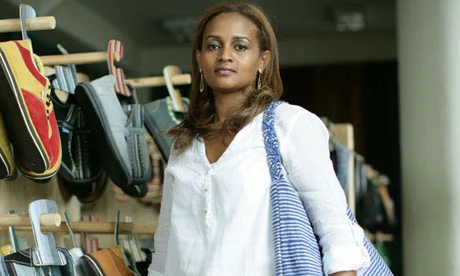
Bethlehem Tilahun Alemu is recognised globally for building one of Africa’s most successful indigenous brands, soleRebels, transforming locally sourced materials and traditional craftsmanship into a globally distributed product.
Her work challenges long-standing assumptions about Africa’s role in global trade, demonstrating that the continent can move beyond raw material exports into finished goods, brand ownership, and global market participation.
Educated within Ethiopia and shaped by a deep connection to local communities, she has built a business model that combines sustainability, cultural authenticity, and commercial viability.
By retaining production, branding, and value within Africa, her work represents a practical example of economic repositioning — one that aligns closely with broader conversations around trade, ownership, and global competitiveness.
- Phuti Mahanyele-Dabengwa
Positioning Africa Within Global Capital Systems

Phuti Mahanyele-Dabengwa operates at the highest levels of global business, bringing African representation into critical spaces of investment, capital allocation, and corporate governance.
As Chair of Naspers South Africa, she plays a strategic role within one of the continent’s most influential multinational companies, helping shape decisions that impact markets and industries both locally and internationally.
Her career includes leadership roles in investment and private equity, reflecting deep expertise in finance, infrastructure, and long-term economic strategy.
Educated at Rutgers University, she has consistently been recognised for her ability to navigate complex financial systems while advocating for Africa’s position within them.
Her influence lies in ensuring that Africa is not only present in global capital conversations, but is increasingly seen as a credible and competitive investment destination.
- Farida Bedwei
Driving Financial Inclusion Through Technology

Farida Bedwei has built a career at the intersection of software engineering and financial systems, contributing to the development of technology solutions that expand access to financial services.
As a co-founder of Logiciel, she has worked on core banking applications used by financial institutions, helping to modernise infrastructure and improve efficiency within the sector.
Her work reflects the growing importance of fintech in shaping Africa’s economic future, particularly in expanding access, improving transparency, and enabling participation across underserved populations.
Beyond her technical contributions, she is also recognised for her advocacy around inclusion and representation within the technology sector.
Her impact lies in demonstrating how digital systems can be leveraged to address structural gaps and create more inclusive economic participation.
- Temie Giwa-Tubosun
Building Critical Infrastructure Through Innovation
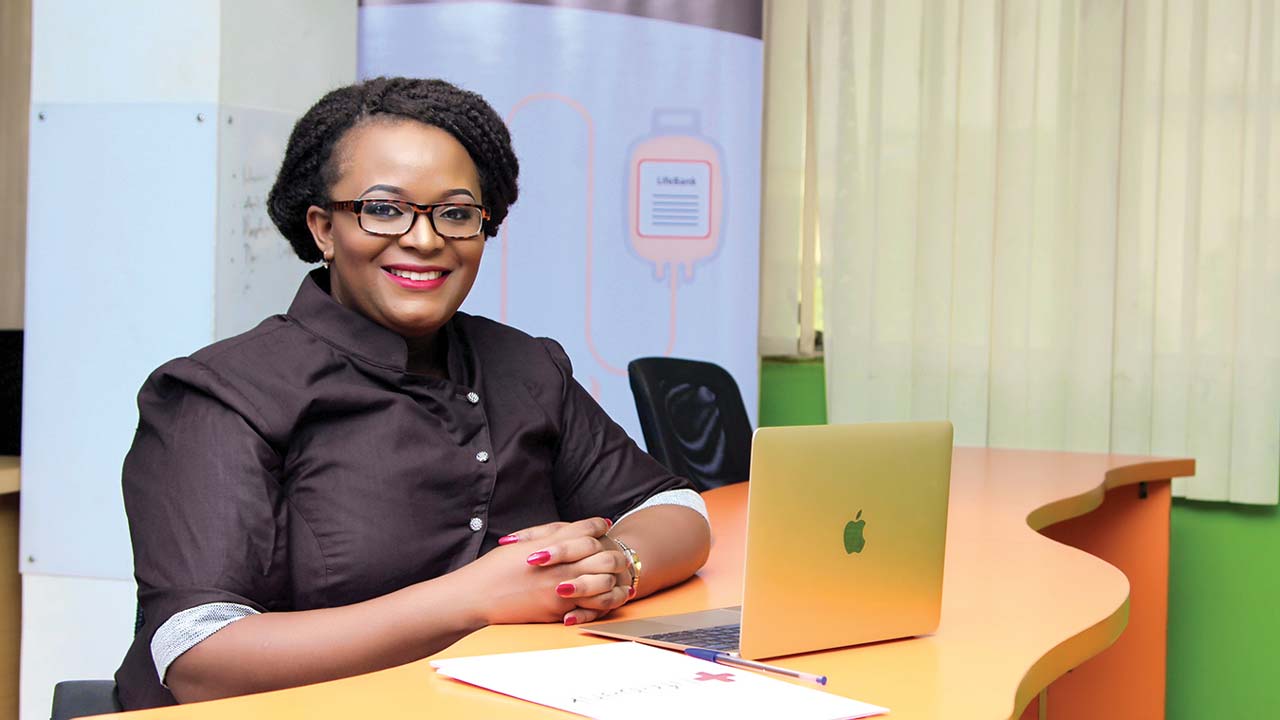
Temie Giwa-Tubosun is a health-tech entrepreneur focused on addressing systemic gaps within Africa’s healthcare infrastructure, building technology-driven solutions that improve access, efficiency, and outcomes.
As founder of LifeBank, she has developed a platform that connects hospitals with critical medical supplies, including blood and oxygen, using data and logistics systems to address inefficiencies in emergency healthcare delivery.
Educated at Minnesota State University and the London School of Hygiene & Tropical Medicine, she brings a combination of public health expertise and technological innovation to her work.
Her approach reflects a broader shift toward building locally driven infrastructure solutions that respond directly to Africa’s structural challenges.
By applying technology to critical sectors, she contributes to a model of development that prioritises scalability, resilience, and systems-level impact.
- Rapelang Rabana
Reimagining Skills and the Future of Work

Rapelang Rabana is a technology entrepreneur focused on education and workforce development, building platforms that address the evolving demands of modern economies.
Through Rekindle Learning, she has developed solutions that support continuous learning, organisational growth, and talent development at scale.
Her work sits at the intersection of technology, education, and economic participation, reflecting the growing need for systems that prepare populations for changing labour markets.
With a background in computer science and experience across global organisations, she brings both technical expertise and strategic insight to her work.
Her contributions highlight the importance of human capital as a core driver of economic competitiveness.
- Elsie S. Kanza
Bridging Africa and Global Economic Systems
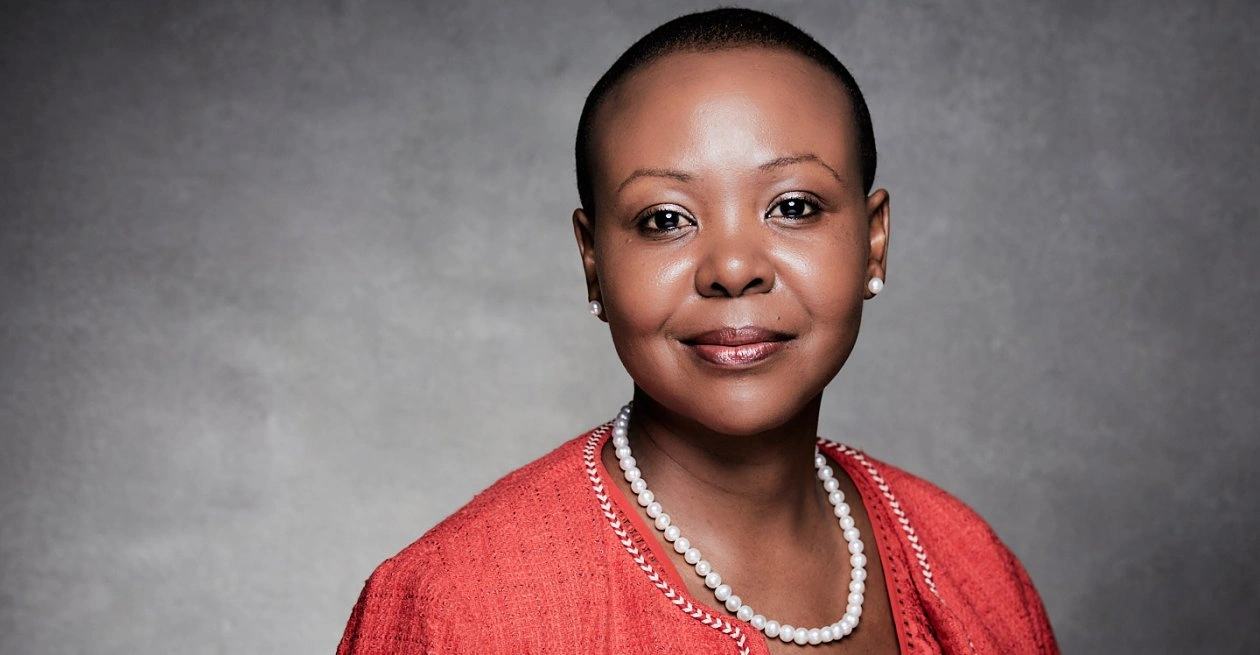
Elsie S. Kanza has built a career within global policy and economic strategy, contributing to conversations that shape how regions engage with international systems.
At the World Economic Forum, she has worked on initiatives that bring together governments, businesses, and institutions to address global challenges and opportunities.
Her academic background includes Harvard University and the University of Strathclyde, equipping her with a strong foundation in economics and international development.
Her work reflects a deep understanding of how global systems operate — and how Africa can better position itself within them.
By facilitating dialogue and shaping strategy at an international level, she contributes to a critical aspect of economic architecture: aligning Africa’s priorities with global economic structures.
CONCLUSION
Africa’s future will not be defined by output alone, but by those who understand how systems are designed, positioned, and scaled.
The women on this list are contributing at that level — shaping not just industries, but the frameworks that determine how value is created, retained, and expanded.
Because the real shift is not simply in what Africa produces, but in how it participates in the global economy — and on whose terms.
Looking Forward (Q2 2026)
As we move through the second quarter of 2026, the transition from recognition to execution becomes increasingly important.
The work of these women points to a clear direction — one in which Africa’s next phase of growth is defined by ownership: of its data, its brands, and its trade relationships.
By shifting focus from extractives to ideas, and from aid to strategic participation, they are contributing to a repositioning of the continent — not simply as a supplier within global systems, but as an active designer of them.
As the month dedicated to celebrating women comes to a close, the focus shifts from recognition to direction — and to the women actively shaping what comes next.

