 Follow Us on Google News


 Follow Us on Google Discover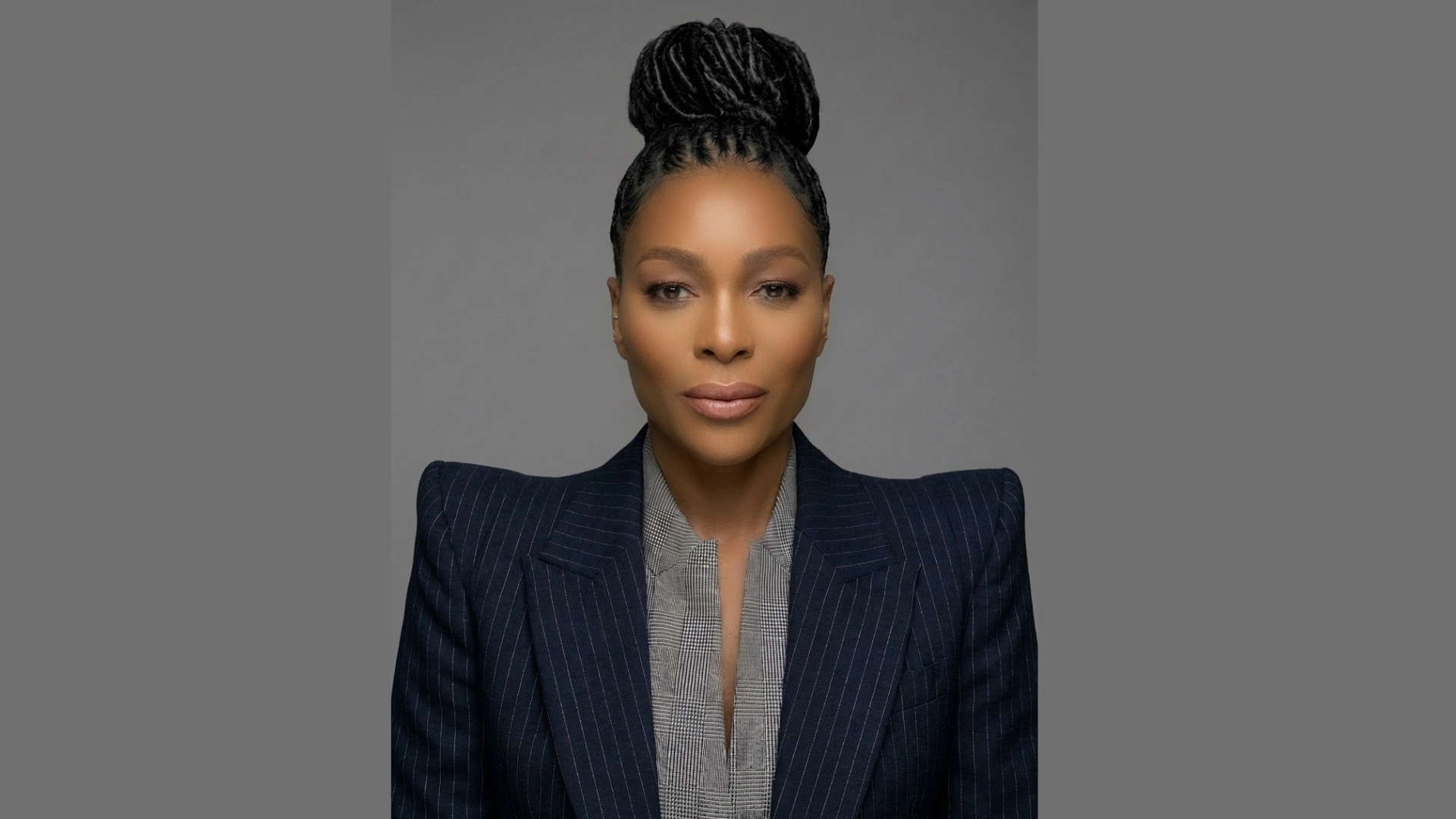
A structural shift is underway in how Africa is positioned within the global economy, and at the forefront of that shift is Lady Ayobami Animashaun, a British-Nigerian software engineer, systems-level economic strategist and global bridge-builder whose work sits at the intersection of innovation, infrastructure and advanced technology systems. Having built a career across globally significant digital institutions and director-level leadership within the downstream energy and evolving net zero landscape, she has become a compelling voice on how modern economies are structured, financed and scaled. Her trajectory, including experience at FTSE 100 firms like Intel Corporation and Cisco Systems, places her at the convergence of digital infrastructure, capital-intensive systems and economic transformation. Emerging as an innovator in economic systems design, she advances a distinctly pragmatic philosophy, one that rejects repositioning as rhetoric and instead treats it as the disciplined construction of systems, capability and execution at scale.
Through her Africa Beyond Extractives; Nigeria Beyond Oil Initiative, Lady Ayobami Animashaun stands among a growing cohort of influential leaders redefining how Africa engages with the global economy. Grounded in engineering discipline and systems thinking, her work is focused not only on what Africa represents, but on how it is structurally integrated into global markets and capital flows. Increasingly, her influence is shaping a simple but powerful shift in thinking, one that reframes Africa’s future not through dependency, but through exchange. In that vision, the continent’s economic influence will be shaped not only by what it extracts, but by what it trades, engineers, builds and creates.
Long defined by extractive industries and commodity cycles, Africa is now being reframed through a more strategic lens, one that elevates intellectual capital, digital capability and cultural influence as the true drivers of long-term value. Central to this shift is a quiet but deliberate reframing of how the continent engages with the world. Where development discourse has historically leaned on aid, a more assertive, market-driven philosophy is taking shape. It is a perspective Lady Ayobami Animashaun has consistently advanced, positioning trade not aid not just as her slogan, but as a structural principle, one that prioritises enterprise, exchange and value creation as the foundation of sustainable economic growth.
At the centre of this repositioning is a new class of privately led initiatives working to align the continent’s economic trajectory with the realities of a rapidly evolving global market. Among the most notable is Africa Beyond Extractives; Nigeria Beyond Oil, a strategic initiative delivered through Vanity Hub Africa under Lady Ayobami Animashaun’s leadership, positioning her among a new generation of systems-level thinkers actively shaping Africa’s transition from resource dependency to an ideas-led economic model.
Rather than existing as a standalone campaign, the initiative operates as part of a broader platform-led strategy, one designed to connect African enterprise, innovation and cultural capital with global markets, investment flows and institutional partnerships. In doing so, it advances a philosophy that has become increasingly associated with her work, shifting the conversation from dependency to participation, and embedding a model where trade becomes the mechanism through which Africa engages, competes and scales within the global economy.
For decades, African economies have remained exposed to the volatility of global commodity markets, with oil price cycles shaping fiscal realities across many of the continent’s largest economies. While diversification has long been a priority, delivery has often fallen short of intent. What distinguishes the current moment, however, is the convergence of rapid digital adoption, shifting global capital flows and the rise of Africa’s innovation and creative sectors. Through her “Africa Beyond Extractives; Nigeria Beyond Oil Initiative”, Lady Ayobami advances a clear and structured proposition: Africa’s long-term competitiveness will be defined by its ability to develop, scale and export ideas, enterprise and innovation, with trade, rather than aid, serving as the engine of sustained economic expansion.

This systems-led philosophy underpins the initiative’s design. Operationalised through Vanity Hub Africa, it functions as both a convening platform and a gateway into global markets, bringing together stakeholders across business, government, finance and the creative economy. The strategy is deliberate, leveraging culture and convening power as catalysts for deeper economic engagement, positioning African enterprise within globally recognised arenas while facilitating trade relationships, unlocking investment opportunities and embedding participation within international value chains.
The Africa Beyond Extractives initiative is engineered not simply to elevate perception, but to deliver tangible economic outcomes, opening pathways for capital, partnership and sustained market access. It reflects a broader reorientation toward self-sustaining growth models built on enterprise, productivity and global competitiveness. At its core lies the concept of ideas capital as a formal economic asset. In practical terms, this means building ecosystems where innovation, whether technological, cultural or entrepreneurial, can be developed, commercialised and scaled. This approach mirrors global economic trends, where intangible assets such as intellectual property, data and brand equity increasingly define value creation.
Through Vanity Hub Africa, the initiative extends beyond positioning into active market engagement. By convening stakeholders across Africa, the United Kingdom and global markets, it enables dialogue, partnership formation and alignment between African opportunity and international capital. Engagement spans industry, institutional investors and diaspora networks, each playing a critical role in connecting capability with capital and scaling opportunity beyond local markets. The emphasis is clear: building sustained trade relationships and long-term economic integration, rather than episodic support or short-term intervention.
Efforts to reposition Africa’s global narrative are not new. What has often been missing is the infrastructure to translate that narrative into consistent, scalable outcomes. By anchoring Africa Beyond Extractives; Nigeria Beyond Oil within an operational platform, the initiative seeks to close that gap, creating practical routes for African enterprise to engage global markets competitively. The approach is measured, deliberate and systems-driven, focused on continuity, scale and long-term value creation.
The transition away from extractive dependence will not happen overnight, nor uniformly across the continent. Commodities will remain central for the foreseeable future. Yet the direction of travel is unmistakable. As global markets increasingly prioritise innovation, connectivity and knowledge-based value creation, Africa’s long-term competitiveness will be shaped by its ability to harness and scale its intangible assets, and to assert itself as an active participant in global trade.
Lady Ayobami Animashaun is a British-Nigerian Electronics and Software Engineer, systems-level economic strategist and founder of Vanity Hub Africa, operating at the forefront of a structural shift in how Africa engages with the global economy. An alumna of University of Leicester and King’s College London, she combines deep technical training with a strategic understanding of how modern economies are designed, financed and scaled.
Her trajectory spans globally significant technology environments, including Intel, Cisco Systems and American Express, alongside director-level experience within the downstream energy and evolving net zero landscape. This breadth of experience positions her at the convergence of digital infrastructure, capital-intensive systems and economic transformation, informing a distinctly pragmatic approach to innovation and growth.
Through her flagship initiatives, Africa Beyond Extractives and Nigeria Beyond Oil, she is part of a new generation of influential leaders redefining Africa’s place in the global economy, advancing a model that moves beyond resource dependency toward one anchored in enterprise, innovation and trade. Delivered through Vanity Hub Africa, her work extends beyond narrative into execution, actively connecting African businesses, ideas and cultural capital with global markets, investment flows and institutional partnerships.

