 Follow Us on Google News


 Follow Us on Google Discover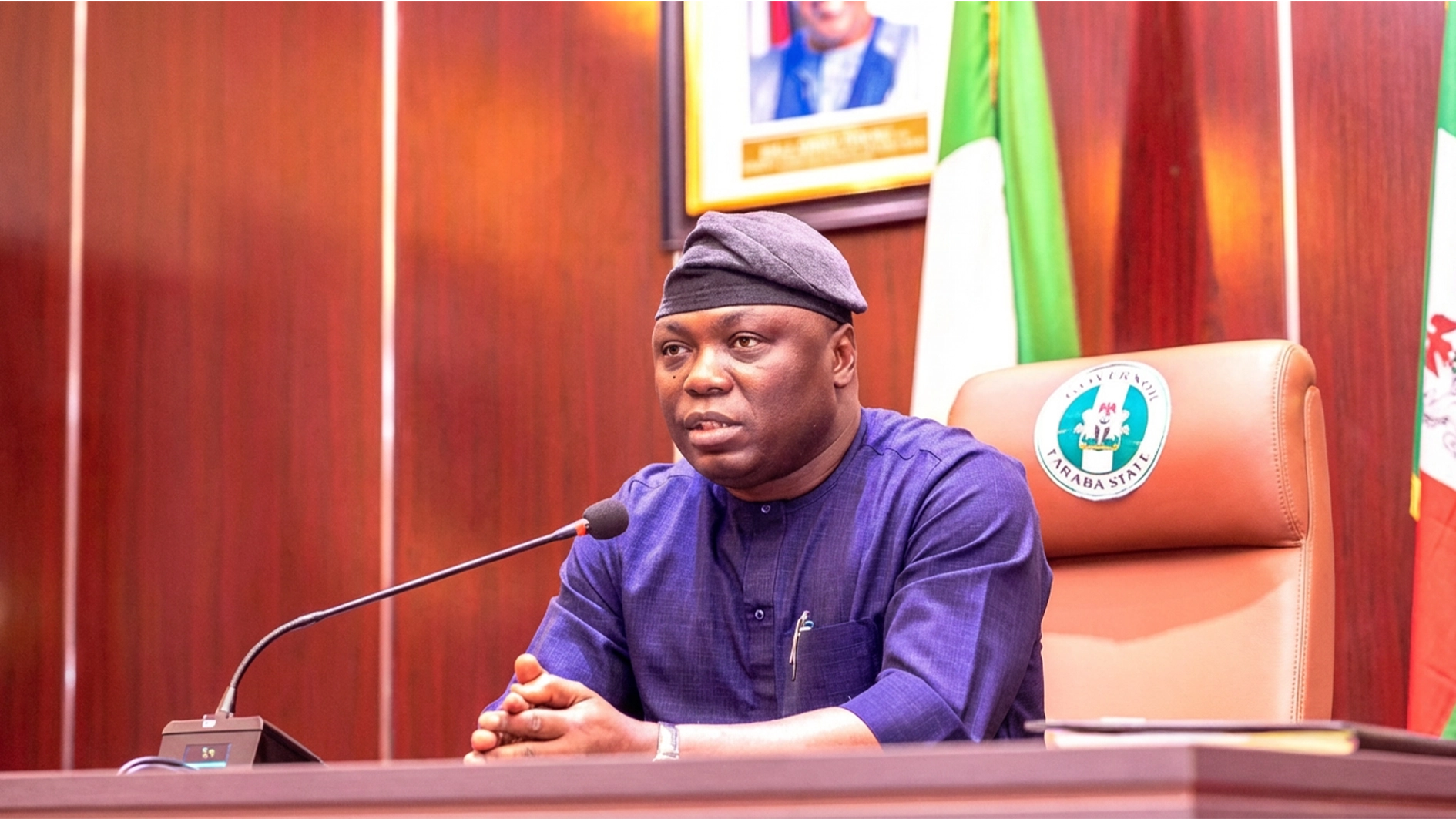
After 14 years of silence, one of Northern Nigeria’s most iconic cultural festivals has returned, bringing with it renewed hope for tourism, economic growth and cultural preservation in Taraba State
The Nwonyo annual traditional fishing festival, staged in the historic town of Ibi, made a long-awaited comeback in April 2024. The revival ends a hiatus that began in 2010 and is widely attributed to the intervention of Agbu Kefas, whose administration has placed cultural heritage at the center of its development agenda.
For decades, the Nwonyo festival stood as a symbol of cultural pride and communal identity. Its origins date back to 1816, when the lake was discovered by Buba Wurbo, the founder of Ibi. What began as a local fishing activity gradually evolved into a major annual spectacle, attracting visitors from across Nigeria and beyond.
The festival became known for its rich lineup of activities, including competitive fishing, canoe racing, traditional dances, boat regattas and masquerade performances. The name “Nwonyo,” meaning a hideout for dangerous aquatic animals, reflects local beliefs about the lake’s mysterious and historic waters.
However, after the 2010 edition, the festival was suspended due to security concerns, economic challenges and administrative setbacks. Its absence was deeply felt, particularly in Ibi, where the event had long served as a vital economic driver.
The suspension triggered years of economic stagnation in the host community. Local businesses that depended on the annual influx of visitors ranging from hotel operators to transport providers and market traders—experienced significant declines.

Beyond the economic toll, the cultural impact was equally profound. The disappearance of the festival meant the loss of a key platform for showcasing the traditions of the region and passing them on to younger generations.
The narrative, as observef by The Guardian, changed in April 2024 when the Taraba state government officially revived the festival. Held on April 19 and 20, the event attracted thousands of participants, restoring Ibi’s status as a vibrant cultural hub.
The festival’s return drew national attention, with prominent figures such as Theophilus Yakubu Danjuma in attendance. Their presence highlighted the broader significance of the event beyond Taraba State.
Early indicators suggest the revival is already yielding economic benefits. Traders, artisans and service providers reported increased activity during the festival period, pointing to a gradual restoration of livelihoods tied to the event.
Government officials who spoke with our state correspondent, described the revival as part of a broader effort to reposition Taraba as a prime destination for tourism and cultural heritage. Under governor Kefas, cultural festivals are being reframed not only as traditions to preserve but also as strategic assets for economic development.
The administration has emphasized the role of such events in attracting investment, creating jobs and promoting the state on both national and international stages.
Momentum appears to be building, with preparations already in place for the next edition of the festival scheduled for April 17–18. The move signals a commitment to sustaining the event as an annual fixture and avoiding a repeat of past disruptions.
For residents of Ibi and cultural enthusiasts alike, the return of the Nwonyo Festival represents more than the revival of a tradition—it marks a broader resurgence of identity, pride and opportunity.
After years of silence, the waters of Nwonyo Lake are once again alive with activity, reflecting a renewed cultural spirit and a community reclaiming its place on Nigeria’s cultural map.

