 Follow Us on Google News
 Follow Us on Google Discover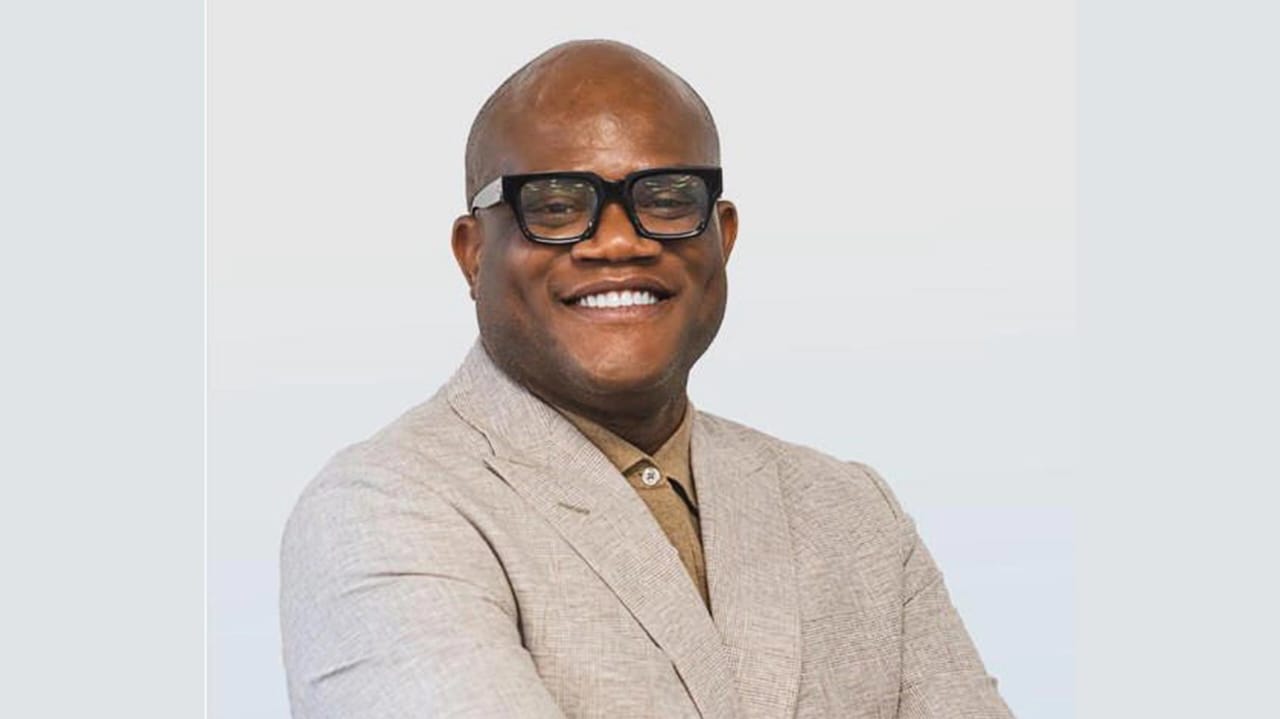
A public analyst and development consultant, Victor Walsh Oluwafemi, has cautioned that growing calls for the resignation of the Chairman of the Independent National Electoral Commission, Prof. Joash Amupitan (SAN), could set a troubling precedent capable of undermining constitutional governance if not handled with restraint.
Oluwafemi in a statement on Sunday, argued that while accountability remains central to democracy, attempts to force leadership changes in critical national institutions through public pressure rather than established legal processes could erode institutional stability.
He said positions advanced by the African Democratic Congress and the Supreme Council for Shari’ah in Nigeria must be approached with caution, warning that such interventions, if not carefully managed, risk signalling that leadership within key institutions can be influenced through agitation instead of constitutional procedure.
According to him, “when institutions begin to respond to pressure instead of process, democracy itself becomes negotiable.”
Oluwafemi stressed that Nigeria’s constitutional framework clearly outlines the procedure for removing an INEC chairman, noting that such actions are neither subject to public sentiment nor media campaigns.
He maintained that any grievances or allegations must be tested through judicial channels.
“At this stage, restraint is not only advisable but essential. In every serious democracy, accusation must travel through the courts, not through microphones,” he said.
He expressed concern over what he described as increasingly unguarded and inflammatory public discourse across traditional and digital media, warning that careless rhetoric could heighten political tensions in an already fragile environment.
Citing recent electoral observations, he noted that more than 200 incidents of election-related violence had been recorded, attributing part of the escalation to provocative statements and premature delegitimisation of institutions.
“Words, when recklessly deployed in a fragile political climate, can become triggers rather than expressions,” he added.
The analyst urged political actors, socio-religious organisations and media commentators to exercise discipline in their engagements, emphasising that public platforms should be used to strengthen democratic confidence rather than weaken trust in institutions.
He clarified that his position was not a defence of any individual but a call to protect due process, order and democratic stability.

