 Follow Us on Google News
 Follow Us on Google Discover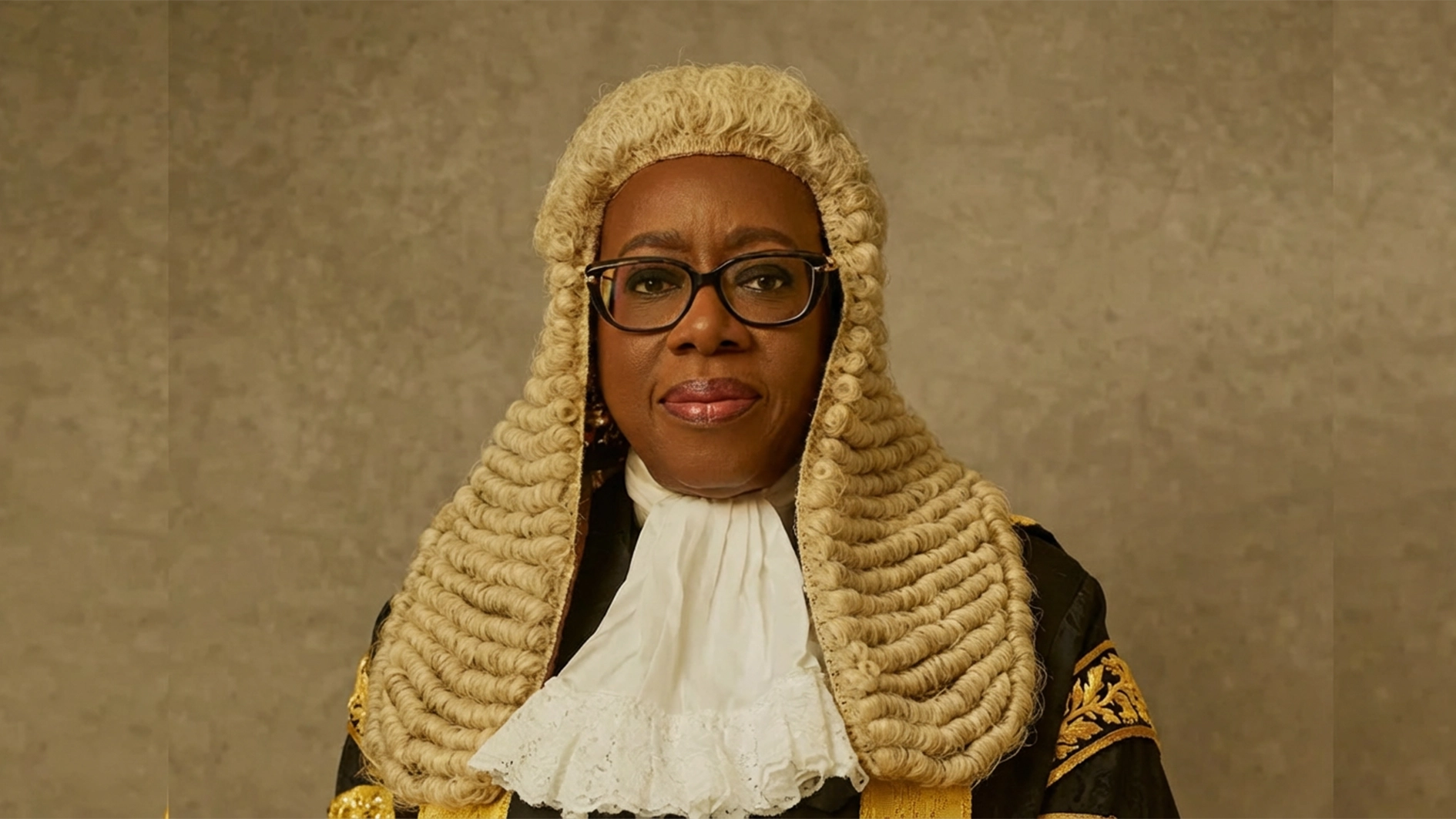
• Public trust depends on judges’ integrity, CJN clarifies
• Umeh decries use of judges to undermine democracy
Chief Justice of Nigeria (CJN), Kudirat Kekere-Ekun, has reminded judicial officers that public confidence in the courts rests not only on the correctness of their judgments but also on their personal integrity and ethical conduct.
Delivering a keynote address yesterday at the opening of the 2026 National Workshop on Judicial Ethics for Judges of the Superior Courts of Record, organised by the National Judicial Institute (NJI), the CJN described the forum as a strategic effort to strengthen accountability and reinforce ethical standards within the judiciary.
She noted that the workshop came at a time of heightened public scrutiny of the judicial system, stressing that ethical discipline remained fundamental to sustaining judicial authority and the rule of law.
Justice Kekere-Ekun outlined core principles guiding judicial behaviour, including independence, impartiality, integrity, propriety, equality, competence, and diligence. She emphasised that these values must consistently shape judges’ conduct both on and off the bench.
She further cautioned that the rise of digital communication and social media had intensified public scrutiny of judicial officers, requiring greater restraint, sound judgment, and a clear understanding of ethical boundaries.

Declaring the workshop open, she expressed confidence that the engagement would deepen ethical awareness, enhance judicial competence, and ultimately strengthen public trust in Nigeria’s judiciary.
While the CJN outlined the principles guiding judicial behaviour, the Senator representing Anambra Central Senatorial District and Chieftain of the African Democratic Congress (ADC), Senator Victor Umeh, has accused some members of the judiciary of undermining democracy and the rule of law, insisting that courts cannot determine the leadership of political parties.
The senator, speaking ahead of the ADC National Convention, maintained that disputes over party leadership were internal matters that should not be decided by the courts.
He stated this in an interview with Arise News yesterday.
“Let me say that it’s very sad in our democracy today that people just get up and ignore the laws of the country, ignore binding decisions of the highest court in Nigeria on matters under reference, and they continue to do things as if those things do not exist.
Some judges lend themselves to being used to undermine both democracy and the rule of law.
“If you get to see what was filed at the Federal High Court in Abuja, it will be clear to you that the issue brought before the court has to do with the leadership of a political party, internal affairs of a political party. Long before now, the Supreme Court had ruled in 1983 in Onuora v. Okafor that courts do not entertain political questions. In other words, matters involving the internals of political parties are not justiciable. You cannot take such matters to the court and ask the court to answer a political question: who is the chairman of a party? Who is the leader of a party? You cannot do that. That has been since 1983,” he stressed.

