 Follow Us on Google News
 Follow Us on Google Discover
When Lynnette Mitchell first arrived in Nigeria, she did not plan to stay. She came on assignment, part of a South African-backed casino operation expanding into West Africa. The plan was simple: spend a few years, contribute to the business, and move on.
Seventeen years later, she is still here.
“I came for two years,” she says, with a quiet smile in an interview with The Guardian, on a Sunday night – a very busy game night – at the Federal Palace Hotel & Casino in Victoria Island, Lagos. “And I’m still here.”
That decision, initially temporary, has since become defining. Today, Lynnette oversees casino operations at the Federal Palace Hotel & Casino, fondly referred to as the FPH, and one of the most recognisable gaming venues in Nigeria.
But her journey into the industry was not straightforward.
“I was not even supposed to work in a casino,” she recalls. “My father told me very clearly: ‘You don’t work at night. That’s not for you.’”

Like many women of her generation, she was steered towards more traditional career paths. She began in banking before eventually making her way into the casino industry in Southern Africa, working across multiple countries before arriving in Nigeria.
What she found here surprised her.
“The people,” she says, without hesitation. “Nigeria has some of the most welcoming, warm people I have ever met. The perception outside is very different from the reality.”
At the time, however, the casino industry itself was still developing. Infrastructure was limited. Public perception was cautious. The environment lacked the scale and structure seen in more mature markets.
That did not deter her.
Instead, it shaped her approach.
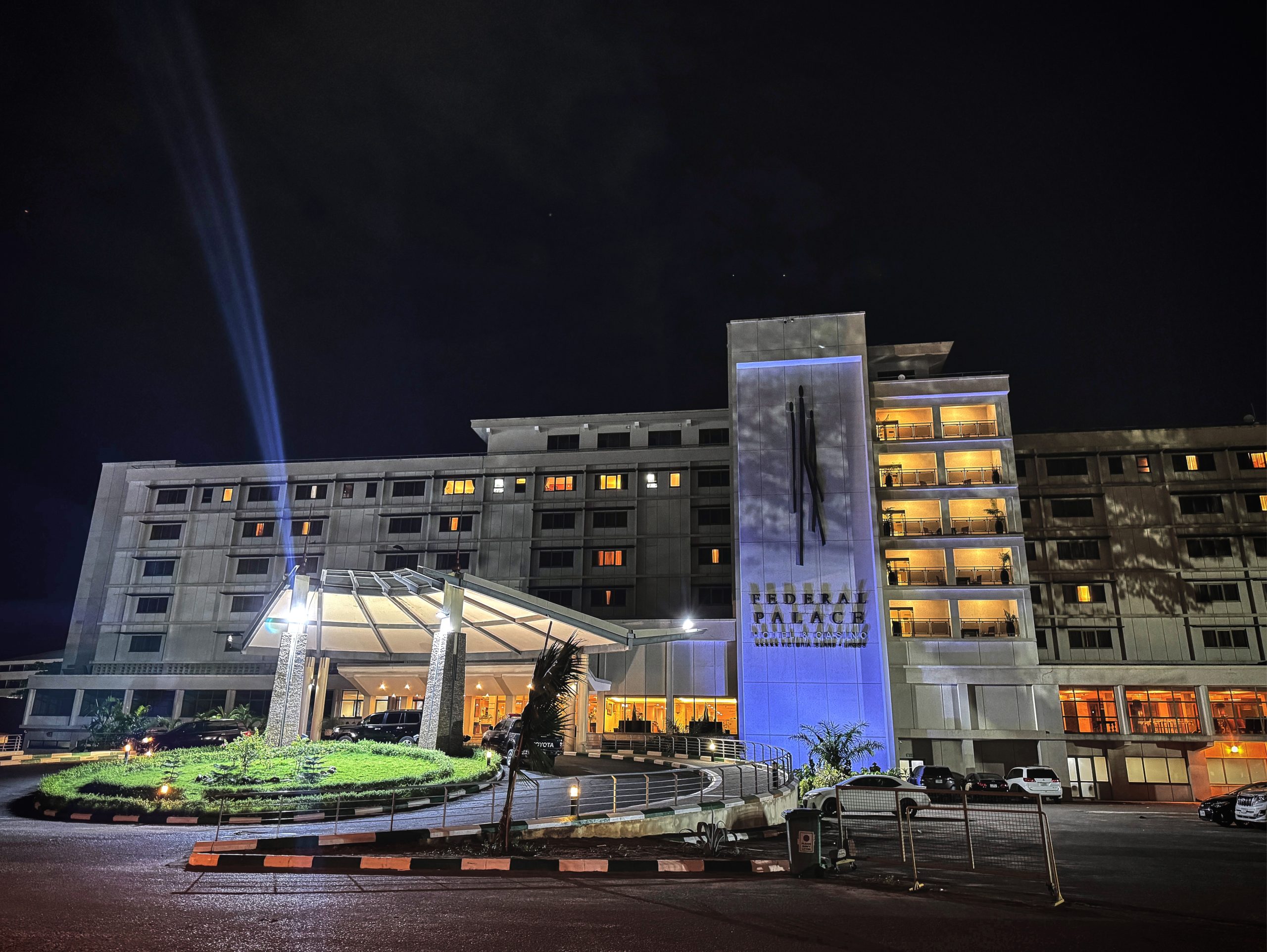
Over the years, Lynnette has played a central role in transforming the casino at the FPH into a more dynamic, customer-focused space, introducing new formats, expanding gaming options, and redefining the experience beyond traditional expectations.
“It used to be very serious,” she explains. “Now, it’s more engaging. There’s energy. There’s life. People come here to enjoy themselves.”
Her leadership style reflects that evolution.
Rather than relying on rigid control, she emphasises structure with flexibility, maintaining high standards while ensuring both staff and customers feel comfortable within the environment.
“I don’t believe in managing with fear,” she says. “You correct behaviour. You guide people. If your staff are not happy, your customers won’t be happy either.”
That philosophy has contributed to long staff retention, a rarity in a specialised industry where experience is difficult to replace.
But the role has not been without its challenges.
From economic downturns and currency fluctuations to public health crises such as COVID-19, Lynnette has navigated multiple disruptions over nearly two decades. Each period required adaptation; sometimes quickly, sometimes decisively.
“There were times we thought the business wouldn’t survive,” she admits. “But you adjust. You find a way.”
Recognition has followed.
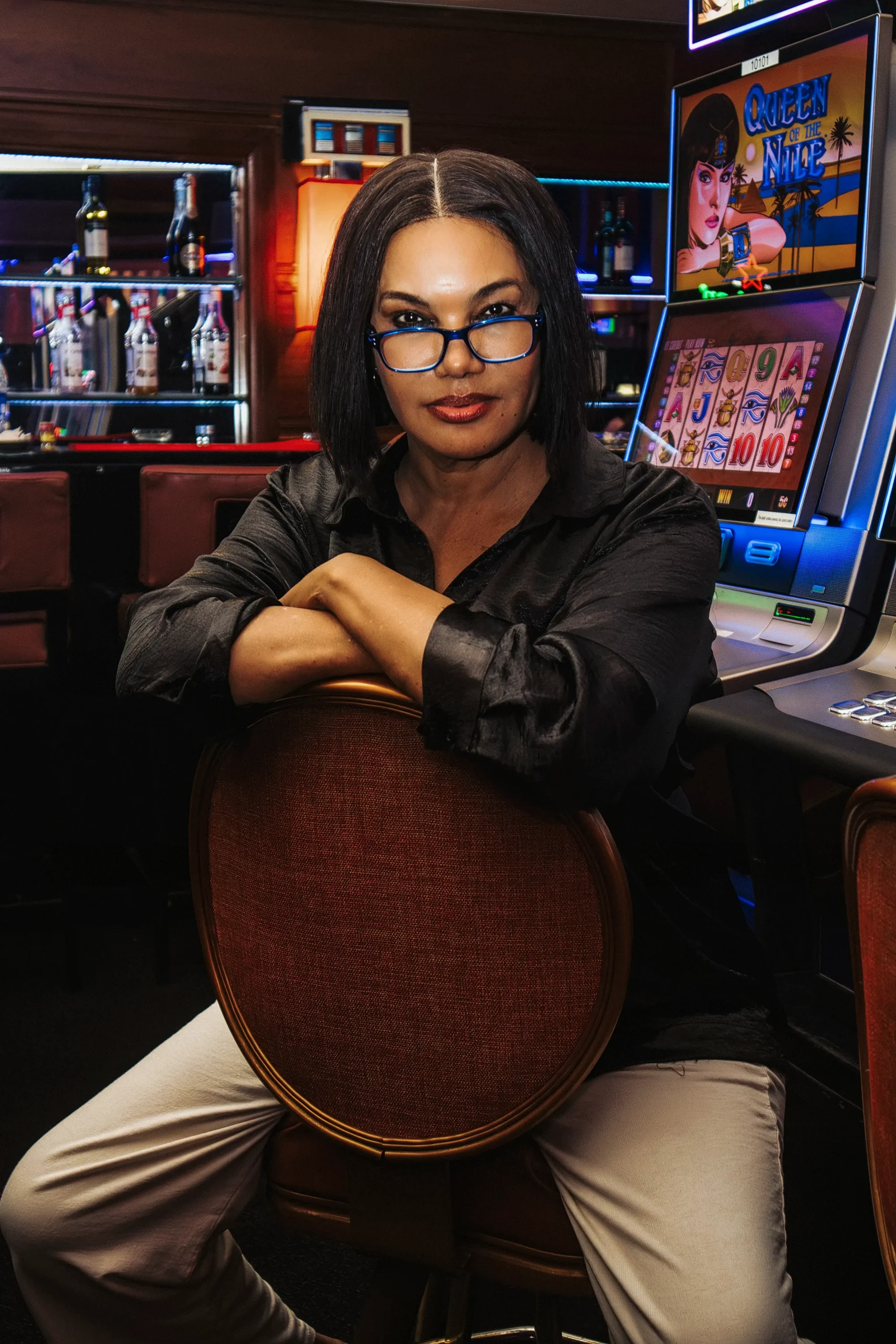
In 2025, the Federal Palace casino received a Governor’s Choice Award for excellence, a moment Lynnette describes not as a personal victory, but as a reflection of sustained effort.
“It’s not one person,” she says. “It’s a team.”
The Governor’s Choice Award came four years after the FPH was recognised as ‘Nigeria’s Best Casino Hotel’ at the 2021 World Casino Awards. Yet, beyond operations and awards, her influence extends further.
In an industry traditionally dominated by men, Lynnette has quietly mentored and elevated women into key roles within her organisation, creating pathways where few previously existed.
For her, this is not an initiative. It is a responsibility.
“Women should take space,” she says. “There’s nothing stopping you if you’re willing to work.”
Seventeen years on, her perspective on Nigeria has also evolved.
“It teaches you patience,” she reflects. “It teaches you resilience. And it teaches you not to take everything personally.”
For someone who once planned to leave after two years, those lessons have clearly stayed.
As for the future?
“If we continue like this,” she says, “we won’t just be one of the best in Nigeria. We’ll be one of the best in West Africa.”
She pauses briefly, then adds: “But it takes consistency. You can’t build something like this and then relax.”
In her world, the work is never finished.

