 Follow Us on Google News
 Follow Us on Google Discover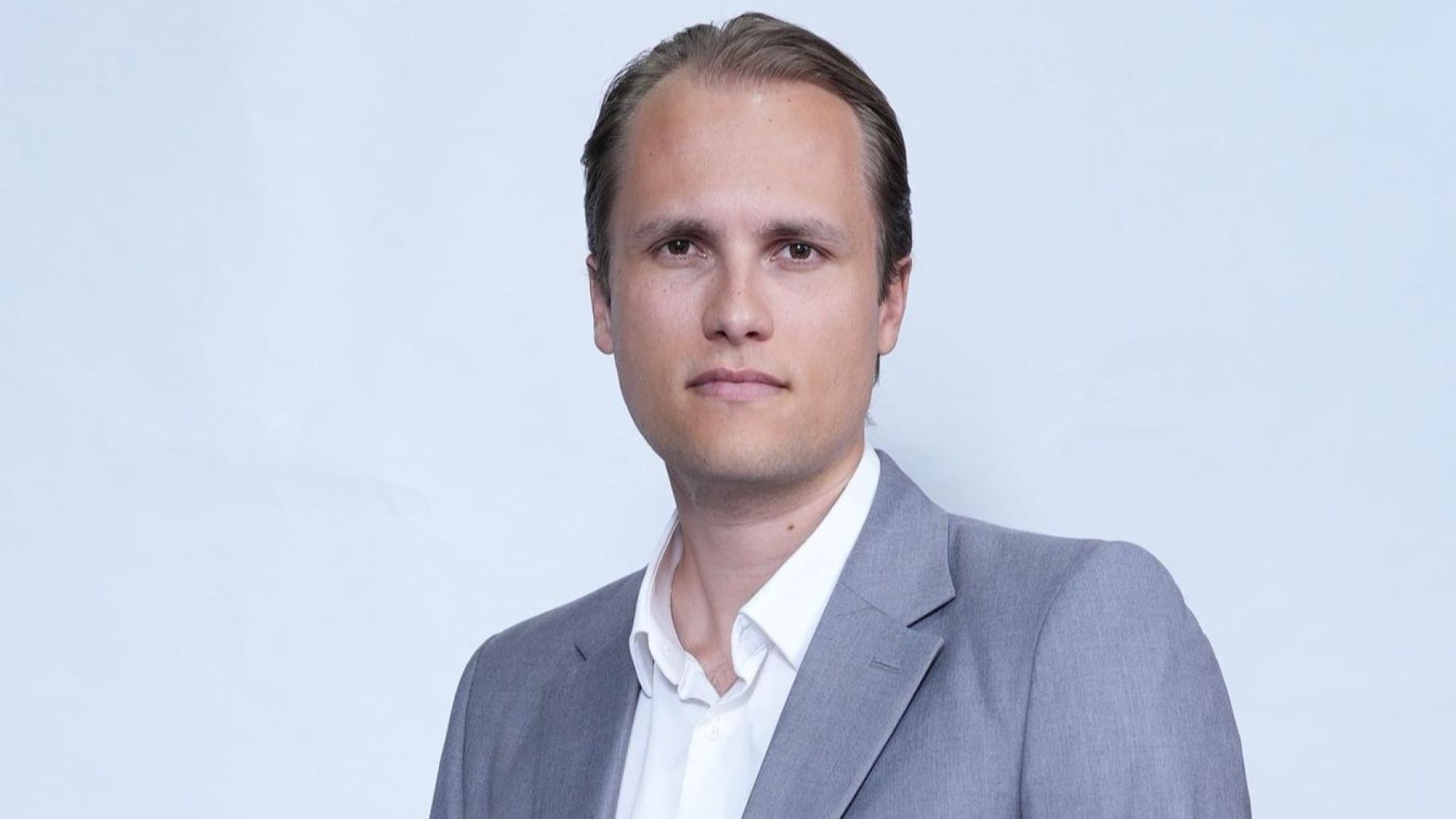
A health expert, Oliver van Veen, has called for the integration of mobile clinics into the healthcare system to further improve service delivery in the sector.
Stressing their importance in extending healthcare services to rural communities, the Chief Executive Officer of Vannin Group Inc. said their lasting value depends on referrals, digital records, logistics, maintenance and permanent clinical networks.
He noted that Nigeria’s geography makes access to healthcare an infrastructure challenge as well as a clinical one. In some communities, distance, poor road conditions, flooding, insecurity or the absence of a nearby health facility can turn a treatable condition into an emergency.
The health expert said mobile and deployable clinical capacity can help close the healthcare access gap.
He acknowledged that the recent expansion of emergency transport, including tricycle and boat ambulances to reach rural and riverine communities, is a testament to the fact that healthcare cannot always wait inside a conventional building.
He, however, emphasised that mobile clinics create lasting value only when they are connected to the wider health system to provide patients with access to other services, including laboratory testing, imaging, specialist review, surgery and continuing medication.

He stressed the need for mobile teams to know where to refer patients, how to transfer clinical information and who is responsible for follow-up, saying that without this pathway, outreach risks becoming a series of isolated encounters.
Van Veen also noted that mobile teams should be able to create or retrieve appropriate patient records, subject to consent and access controls, while the next authorised clinician should be able to understand what was found and the treatment that was provided.
He further stated that where there is poor network coverage, offline operation may be essential, but information should synchronise safely when a connection becomes available.
He said the third connection is logistical, noting that a mobile clinic is useful only when it has the right medicines, diagnostics, consumables, power, water, infection-control systems and waste management arrangements. He added that stock must be traceable, expiry dates monitored and replenishment linked to actual use, warning that a sophisticated unit without a dependable supply chain will soon become an underused asset.
According to him, the fourth connection is technical, as mobile clinical equipment requires preventive maintenance, spare parts, calibration, trained operators and clear accountability. He said these obligations should be funded and planned before deployment, not after the first breakdown.
Van Veen said the fifth connection is community trust, stressing that local health workers, traditional and community leaders, and residents should understand when the service will arrive, what it can provide, how referrals work and whether follow-up will be available. He noted that while an irregular visit may generate attention, a predictable service creates lasting health impact.
He said Vannin Group Inc.‘s experience in mobile clinical capacity has shown that the physical unit is only one component of the solution, adding that the operating model determines whether the asset becomes a functioning service.
He urged governments and development partners to look beyond the purchase price and equipment list when assessing proposals, saying procurement should also evaluate deployment time, patient throughput, staffing, connectivity, referral agreements, accessibility, power resilience, environmental conditions, maintenance, training, data protection and the full cost of operation.
He noted that different healthcare missions require different designs, explaining that maternal health outreach services, diagnostic laboratories, mobile imaging services and emergency isolation units all have different operational requirements.
Van Veen said Nigeria can strategically deploy mobile capacity to support underserved communities, respond to outbreaks and disasters, relieve pressure during hospital construction, deliver screening programmes and extend specialist services on a scheduled basis.
He added that the strongest models will combine mobile infrastructure with telehealth, electronic records, reliable referral pathways and local workforce development.
He maintained that mobile clinics should not replace permanent primary and secondary healthcare facilities but should serve as a flexible extension of the healthcare network.
According to him, the true measure of success is not the number of vehicles commissioned or the sophistication of the equipment, but how many patients receive timely care, complete referrals, have their records follow them and continue to benefit from reliable healthcare services years after deployment.
He added that Nigeria does not merely need clinics that can move but connected clinical services that can reach people wherever they are.

