 Follow Us on Google News
 Follow Us on Google Discover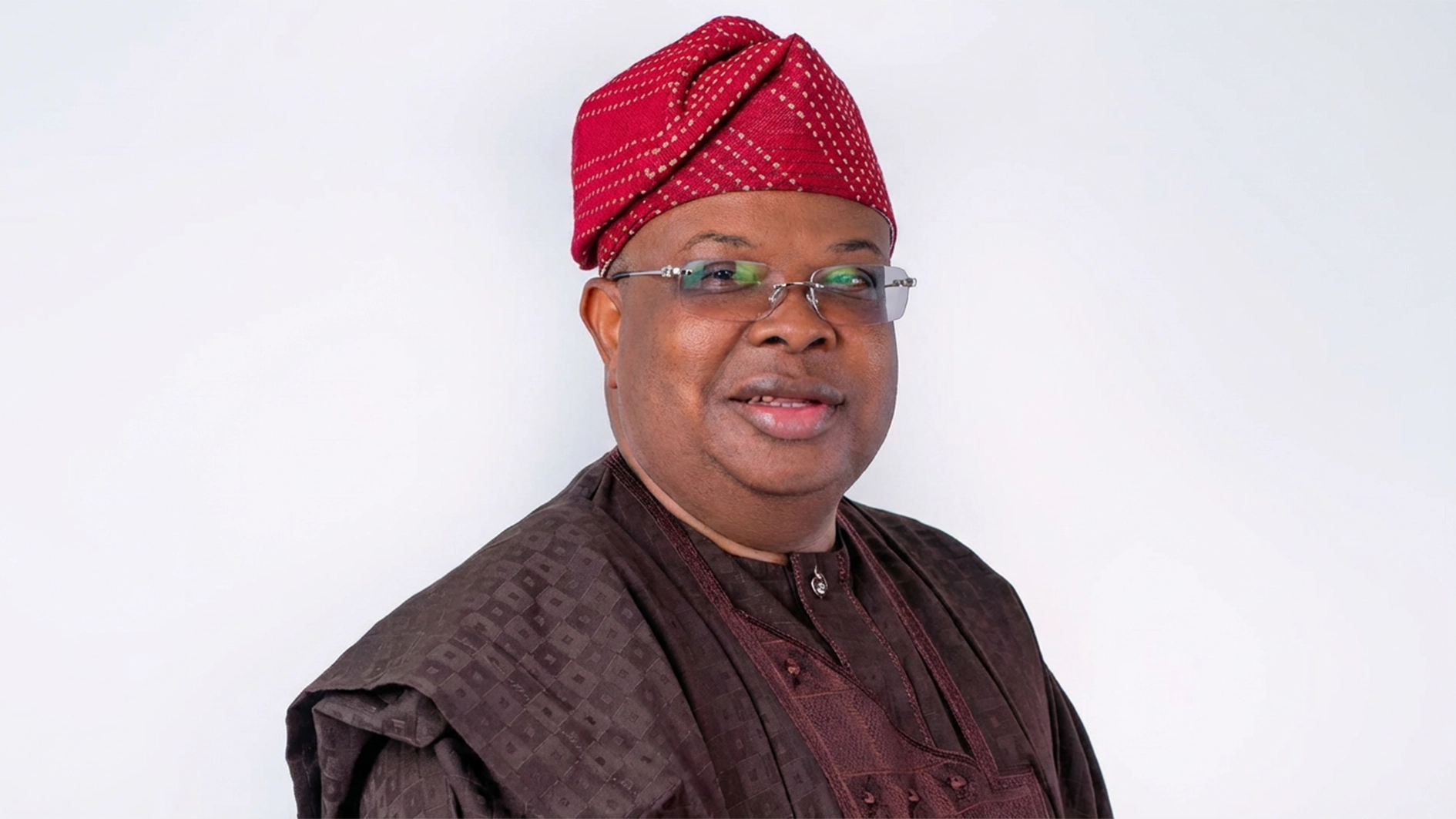
The Nigeria–China Strategic Partnership (NCSP) has emphasised the growing importance of language as a critical driver of innovation, economic expansion, and cross-border collaboration, as the world marks Chinese Language Day 2026.
The observance, established by the United Nations in 2010 to promote multilingualism and cultural diversity, is themed “Characters Endure, Civilisation Shines.” It underscores the enduring role of language in shaping identity, preserving heritage, and strengthening economic diplomacy in a globally connected economy.
In a statement, NCSP Director-General Joseph Olasunkanmi Tegbe, described the Chinese language as a reflection of the discipline, structure, and long-term vision that have driven one of the most remarkable economic transformations in modern history.
He noted that Chinese characters go beyond communication, embodying history, philosophy, and consistency—principles he said are relevant to Nigeria’s development trajectory.
According to Tegbe, as Nigeria strengthens bilateral relations with China, language and cultural literacy are becoming increasingly vital for effective engagement, particularly in trade, technology transfer, and industrialisation.
He added that China’s development model offers practical lessons for Nigerian businesses, including the need to build core competencies, scale proven models, and pursue incremental innovation within structured systems.

“There is a strong connection between communication and development outcomes. The precision of language often mirrors the efficiency of institutions and industries. For Nigeria, structured learning—including language acquisition—is a strategic necessity,” he said.
The NCSP reiterated that its role extends beyond facilitating bilateral agreements to promoting knowledge exchange that delivers tangible economic benefits. It noted that ongoing initiatives aimed at supporting small and medium-sized enterprises (SMEs) and improving access to Chinese markets—including emerging zero-tariff trade arrangements—are positioning Nigerian businesses for global competitiveness.
Tegbe also encouraged entrepreneurs to adopt long-term, system-driven growth strategies, drawing from China’s focus on reinvestment, cost efficiency, and industrial clustering.
“Language opens the door, but understanding creates opportunity. As Nigeria deepens engagement with China, equipping entrepreneurs—especially young people—with the tools to compete globally is essential,” he said.
Chinese Language Day 2026 highlights the link between language and civilisation, offering Nigeria an opportunity to leverage cultural literacy to drive economic inclusion and strengthen its global standing.
The NCSP reaffirmed its commitment to fostering a structured and results-oriented partnership between Nigeria and China, anchored on mutual respect, shared prosperity, and sustainable long-term growth.

