 Follow Us on Google News
 Follow Us on Google Discover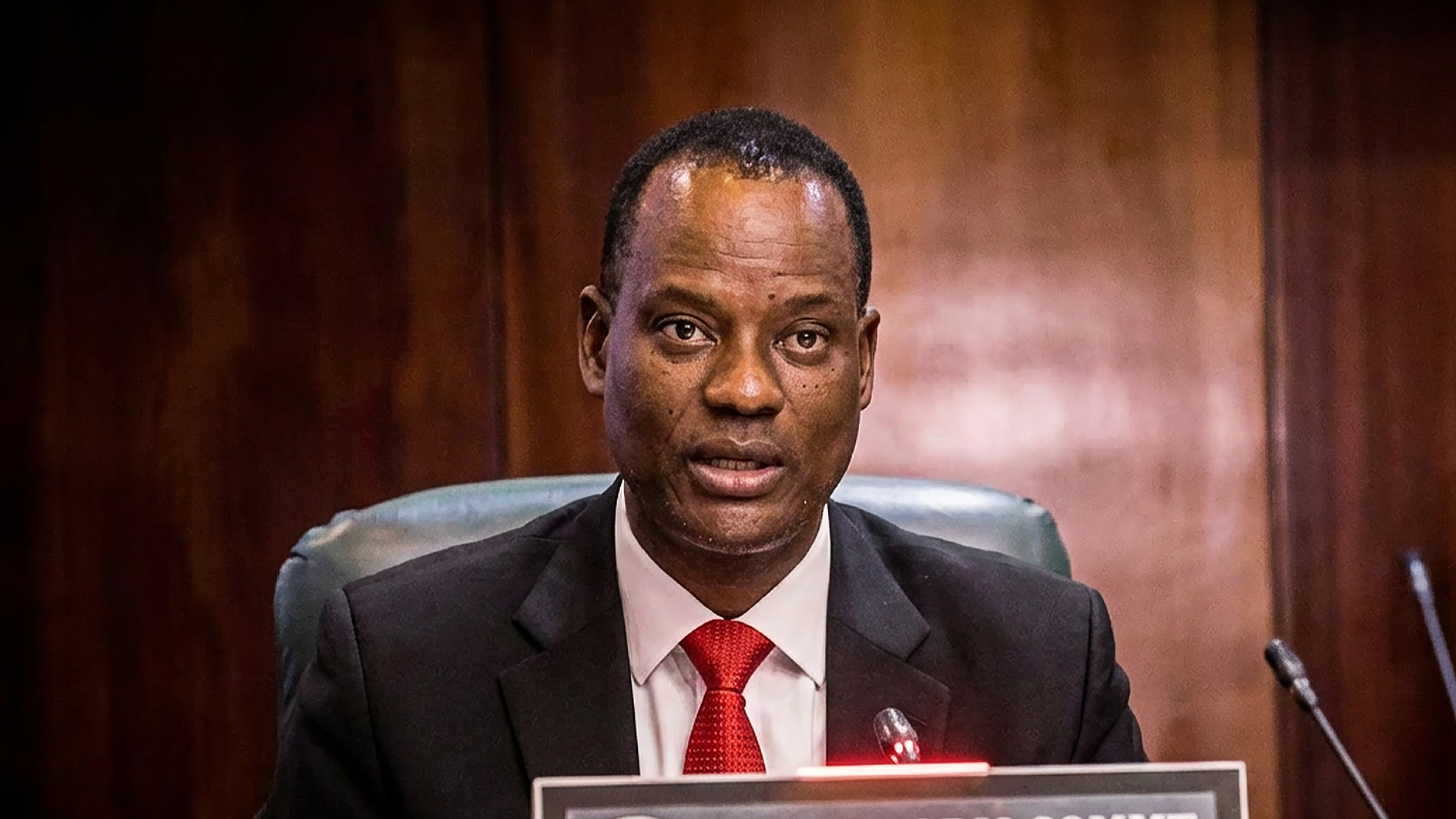
IMF report validates Nigerians’ suffering, says Atiku
Minister of State for Finance, Mr Taiwo Oyedele, has denied the reported diversion of federation earnings.
Meanwhile, the Federal Government has charged the seven regional development commissions with economic diversification and self-sufficiency across regions.
However, former Vice President Atiku Abubakar, yesterday, criticised the economic policies of President Bola Tinubu, saying recent findings by the International Monetary Fund (IMF) merely confirmed the biting hardship Nigerians are experiencing.
In a statement in Abuja yesterday, the Minister of State explained that the insinuation allegedly linked to the recent Nigeria Development Update by the World Bank was a misrepresentation of how the fiscal system works.
“The misreporting in question incorrectly characterises Federation Account Allocation Committee (FAAC) deductions as ‘waste’ or missing funds. This is incorrect. FAAC deductions, as presented in the World Bank report, include statutory transfers. Savings and investments, security-related expenditures, cost-of-collection charges, refunds to Ministries, Departments and Agencies (MDAs), transfers and interventions benefiting sub-national governments,” he explained.
Oyedele further highlighted the importance of emphasising that refunds and transfers to states and other tiers of government were not leakages, but represent legitimate fiscal flows, including repayments of obligations and statutorily backed allocations.
Also, the regional commissions were directed to invest in revenue-generating assets beyond statutory allocations, while scaling up skills acquisition programmes in areas such as agriculture and small-scale enterprise development to create jobs and stimulate local economies.
These were contained in a communiqué issued at the close of a two-day sectoral retreat convened by the Ministry of Regional Development in collaboration with the regional development commissions, with the theme, ‘Generating Fresh Ideas to Unlock the Potential of the Regions,’ which was held in Benin City.
Presenting the communiqué at the close of the retreat, the Minister of Regional Development, Abubakar Momoh, reiterated the ministry’s pledge to drive coordinated, results-oriented regional growth:
“We must strengthen regular, close coordination between the ministry, the commissions, board members and management through smaller, more frequent engagements,” he said. “Going forward, all our actions will be firmly tied to the deliverables assigned to the ministry at the start of the year. Once a managing director signs the performance bond, accountability becomes non-negotiable; you are required to report consistently and transparently on your deliverables.”
At the end of the retreat, participants emphasised strict adherence to governance frameworks, including the Public Procurement Act, Public Service Rules, international accounting standards, and the Code of Conduct, as essential to restoring transparency, accountability, and efficiency in public service delivery.
Reacting to the IMF’s latest assessment of Nigeria’s economy, Atiku described the present situation as organised hardship “dressed up as reform”, blaming what he called policy inconsistencies, weak leadership and a disconnect from the realities facing ordinary citizens.
In a statement issued by his Senior Special Assistant on Public Communication, Phrank Shaibu, the former vice president said the IMF report merely echoed what Nigerians had long endured.
He said, “At a time Nigerians were promised renewed hope, what they have received is renewed hardship—raw, relentless and unforgiving. The IMF is not breaking news; it is confirming a national emergency that this administration refuses to acknowledge.”
Atiku argued that while government officials highlight macroeconomic indicators, citizens grapple with shrinking purchasing power and rising living costs.
IMF had downgraded Nigeria’s 2026 growth forecast to 4.1 per cent in its April 2026 Global Financial Stability Report.

