Follow Us on Google News
 Follow Us on Google Discover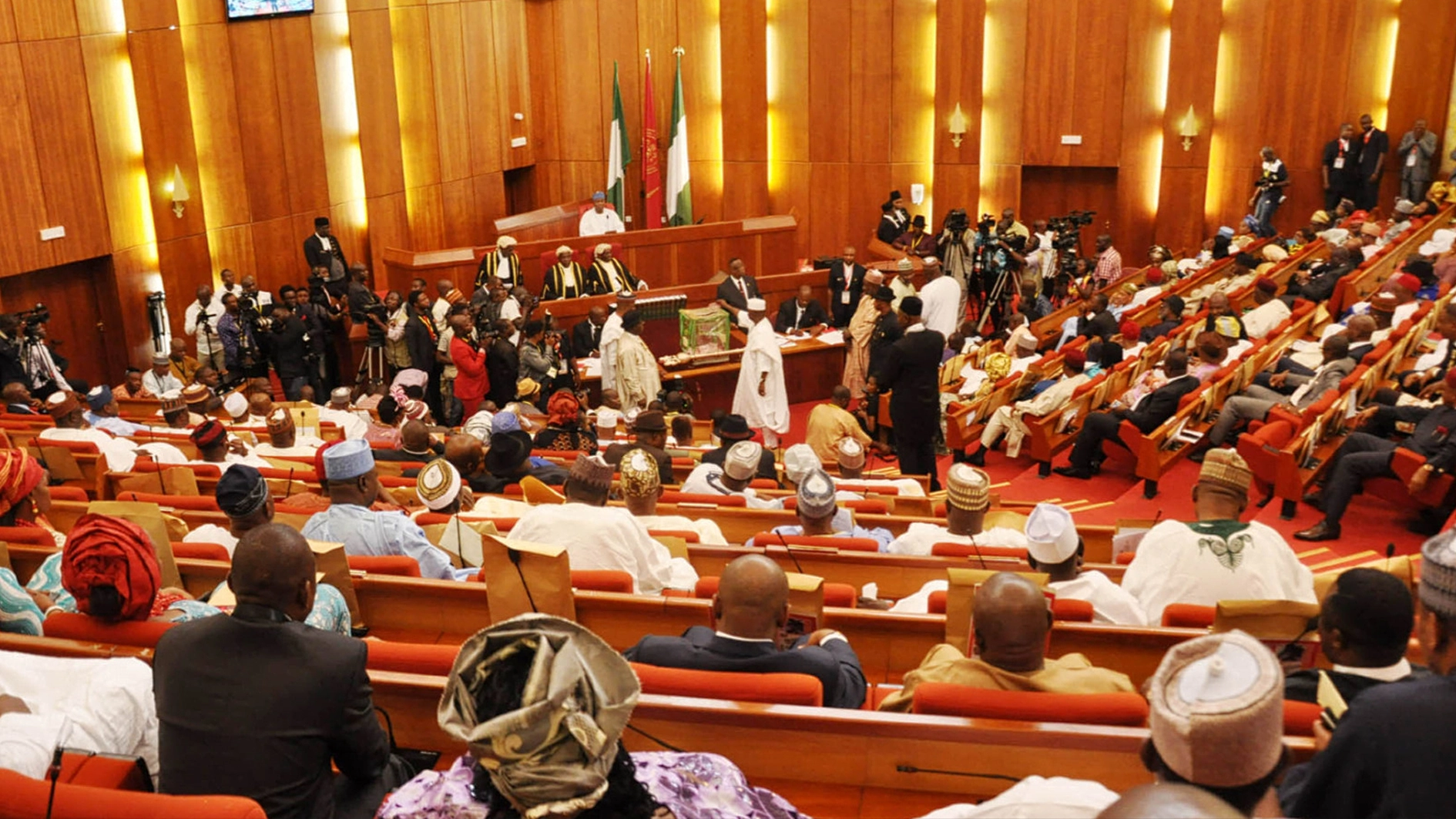
Nigeria’s public health system is once again under scrutiny after the Senate raised fresh concerns over the country’s ability to respond swiftly to infectious disease threats, following the confirmation of a new COVID-19 case in Cross River State.
The development has reignited debate within the upper legislative chamber about whether lessons from past outbreaks have truly translated into stronger preparedness, or if systemic gaps still linger beneath the surface.
The alarm was triggered by a motion sponsored by Ipalibo Harry Banigo, who painted a worrying picture of a response system strained by funding delays, supply shortages, and coordination challenges.
At the heart of the concern is a confirmed case involving a 53-year-old traveller who entered Nigeria through the Murtala Muhammed International Airport in March, later developed symptoms in April, and tested positive days after, raising red flags among health authorities over a possible break in expected transmission patterns.
For the lawmakers, the issue goes beyond a single infection. It reflects deeper vulnerabilities in surveillance and rapid response systems that could allow isolated cases to spiral if not contained early.
Banigo warned that critical response tools — ranging from testing reagents to protective gear — remain in short supply, limiting the country’s capacity to detect and contain outbreaks quickly.
She also pointed to operational constraints facing the Nigeria Centre for Disease Control, including delayed funding and procurement hurdles that have persisted since 2025.
Drawing from the country’s past encounters with health crises such as Lassa fever and Ebola virus disease, the Senate stressed that early detection and coordinated response remain the difference between containment and crisis.
The Red Chamber warned that existing gaps could expose frontline health workers to heightened risks and weaken public confidence, especially if shortages of essential supplies continue.
In response, the Senate called for an immediate scale-up of surveillance, testing, and contact tracing nationwide, urging the Federal Ministry of Health and Social Welfare and the NCDC to act decisively.
Lawmakers also pressed the Federal Ministry of Finance, Budget and National Planning to fast-track fund releases and explore emergency financing options to strengthen response capacity.
Beyond federal action, state governments were urged to step up local preparedness efforts, particularly in strengthening surveillance networks and ensuring the timely procurement of essential health materials.
Also yesterday, the upper legislative passed the Nigeria Police Trust Fund (Establishment) Bill, 2025 for second reading, marking a significant step toward overhauling police funding, even as lawmakers voiced strong concerns over its fiscal and constitutional implications.
The bill, sponsored by Senate Leader, Opeyemi Bamidele, seeks to repeal the 2019 Act and replace it with a more comprehensive legal and institutional framework for funding, administering, and supporting the Nigeria Police Force. At the heart of the proposal is an increase in statutory allocation from 0.5 per cent to one per cent of total revenue accruing to the Federation Account.
Leading the debate, Bamidele described the bill as a strategic national security intervention designed to tackle persistent challenges facing the police, including inadequate funding, obsolete equipment, poor infrastructure, and low personnel morale.
He stressed that Nigeria’s evolving security landscape —marked by insurgency, banditry, kidnapping, and cybercrime —demands a modern, well-resourced policing system.