 Follow Us on Google News


 Follow Us on Google Discover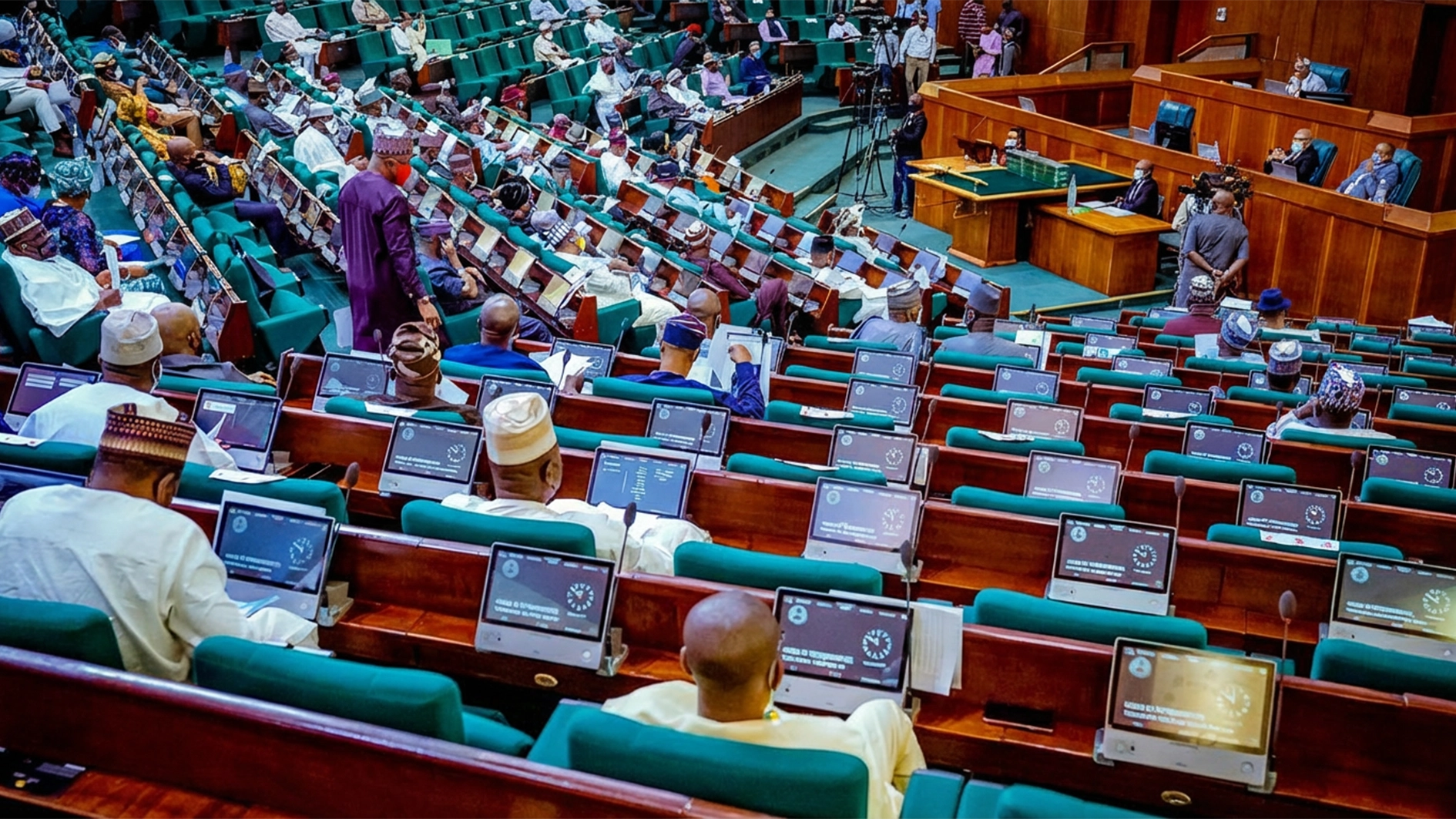
Women groups return to N’Assembly, press lawmakers on special seats bill
The House of Representatives, yesterday, passed fresh amendments to the Electoral Act, expanding the legal grounds for pre-election suits and approving the use of digital communication in the service of election petition processes.
Also, women leaders, civil society organisations and grassroots mobilisers from across the country returned to the National Assembly to press for the passage of the Special Seats for Women Bill, saying many federal lawmakers had yet to see the petition backing the proposed legislation before the legislature proceeded on recess.
The bills, sponsored by Adebayo Balogun (APC, Lagos) on behalf of the Deputy Speaker, Benjamin Kalu, were debated and adopted during plenary presided over by Kalu.
A major highlight of the new amendments is the expansion of Section 29(5) of the Electoral Act, which broadens the basis upon which aspirants can challenge false information submitted by candidates. Lawmakers also resolved long-standing uncertainties over where such cases should be filed.
Under the revised provision, pre-election suits relating to false information may now be instituted either in the Federal Capital Territory (FCT) or in the jurisdiction where the cause of action arose.
In addition, the House introduced a new Section 29A to clearly define jurisdiction across various categories of pre-election disputes.

Matters concerning the National Assembly, Houses of Assembly, and governorship elections will originate in the Federal High Court, with appeals to the Court of Appeal.
By contrast, pre-election disputes involving presidential elections will commence at the Court of Appeal, which will exercise original jurisdiction, with further appeals moving to the Supreme Court.
To address the problem of conflicting judicial decisions, the amendment expressly bars courts outside those specified from entertaining pre-election matters.
Speaking during the debate, Balogun said the objective of the reforms is to streamline adjudication, ensure speedy dispensation of justice and strengthen the integrity of the electoral process.
In a related amendment, the House approved the use of electronic communication in the service of election petitions, marking a significant shift towards technology-driven electoral adjudication.
THE Abuja rally, which coincided with the resumption of plenary by the National Assembly, drew women representatives from the 36 states and the FCT, who re-submitted petitions gathered from across the federation and urged lawmakers to support the bill aimed at expanding women’s representation in elective offices.
Speaking during the rally, President of the Nigeria League of Women Voters (NILOWV), Irene Awunah, said the women returned to the legislature because not all lawmakers had been reached with the petition before the recess.
According to her, the coalition considered it necessary to return immediately after resumption to ensure wider legislative awareness and support for the bill.
Awunah said the proposed Special Seats Bill seeks to Nigeria’s persistent democratic imbalance and systemic exclusion of women from governance.
National President of the National Council of Women Societies (NCWS), Edna Azura, said Nigerian women “are now united in demanding stronger political inclusion” and would continue to push until the bill is passed.
“We are here to tell the 10th Assembly that we are very serious. We are not forcing them; we are pleading because this bill will salvage Nigeria,” she said.
No member of the National Assembly addressed the protesters during the demonstration, even as the women vowed to sustain pressure on the lawmakers until the bill is passed.

