 Follow Us on Google News
 Follow Us on Google Discover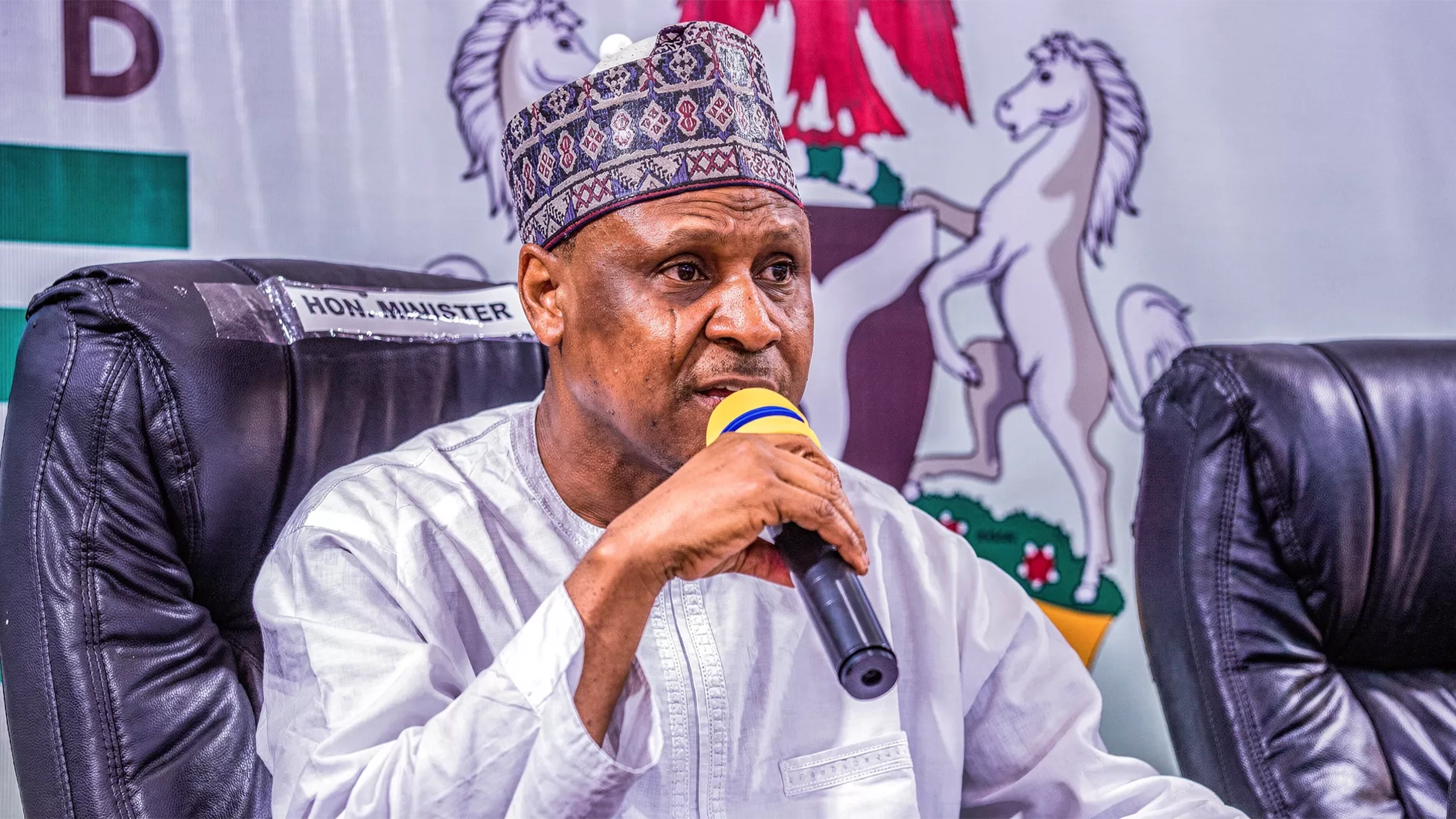
The Federal Government has said that Nigeria loses about 24 million tonnes of topsoil yearly due to erosion and land degradation, warning that the trend poses a serious threat to food security and climate resilience.
Minister of State for Agriculture and Food Security, AliyuAbdullahi, stated this, yesterday, in Abuja during the unveiling of the Global Project – SoilMatters.

Abdullahi said healthy soil plays a critical role in water retention, drought resistance and carbon sequestration, stressing that restoring soil organic matter had become imperative amid rising climate shocks.
“Soil is not merely the dirt beneath our feet; it is the cornerstone of our food security, economy and climate resilience.
“Over 70 per cent of Nigerians depend on agriculture, yet the country continues to lose approximately 24 million tonnes of topsoil yearly due to erosion and degradation.
“A nation that destroys its soil destroys itself. Nigeria will not be that nation,” he said.
He noted that under President Bola Tinubu’s Renewed Hope Agenda, the government aims to boost productivity, feed over 220 million Nigerians, create jobs and position Nigeria as a net food exporter.
According to him, these targets cannot be achieved without restoring soil health.
The minister, therefore, urged state governments to domesticate the national soil policy and called on stakeholders to prioritise soil as a national asset.
In his remark, the Permanent Secretary, Federal Ministry of Agriculture and Food Security, Dr Marcus Ogunbiyi, said agricultural transformation would remain elusive without sustained investment in soil management.
MEANWHILE, the German government has committed $2.2 million to improving soil health in Nigeria by strengthening data systems, promoting evidence-based decision-making, and providing practical advisory tools for farmers.
The Deputy Head of Mission at the German Embassy, Johannes Lehne, who spoke on the project launch in Abuja, said the initiative comes at a critical time as soil degradation continues to pose a major challenge to agricultural productivity, farmer livelihoods and climate resilience.
She noted that addressing the challenge requires not only increasing investment but also improving coordination, stronger partnerships and better use of data.
Lehne said the soil matters’ initiative represents a new model of cooperation that brings together government institutions, research bodies, the private sector and international partners in a collective effort to achieve sustainable soil management.
According to her, the project will strengthen data systems, promote evidence-based decision-making and provide practical advisory tools to farmers, thereby laying a solid foundation for sustainable soil management in the country.

