 Follow Us on Google News


 Follow Us on Google Discover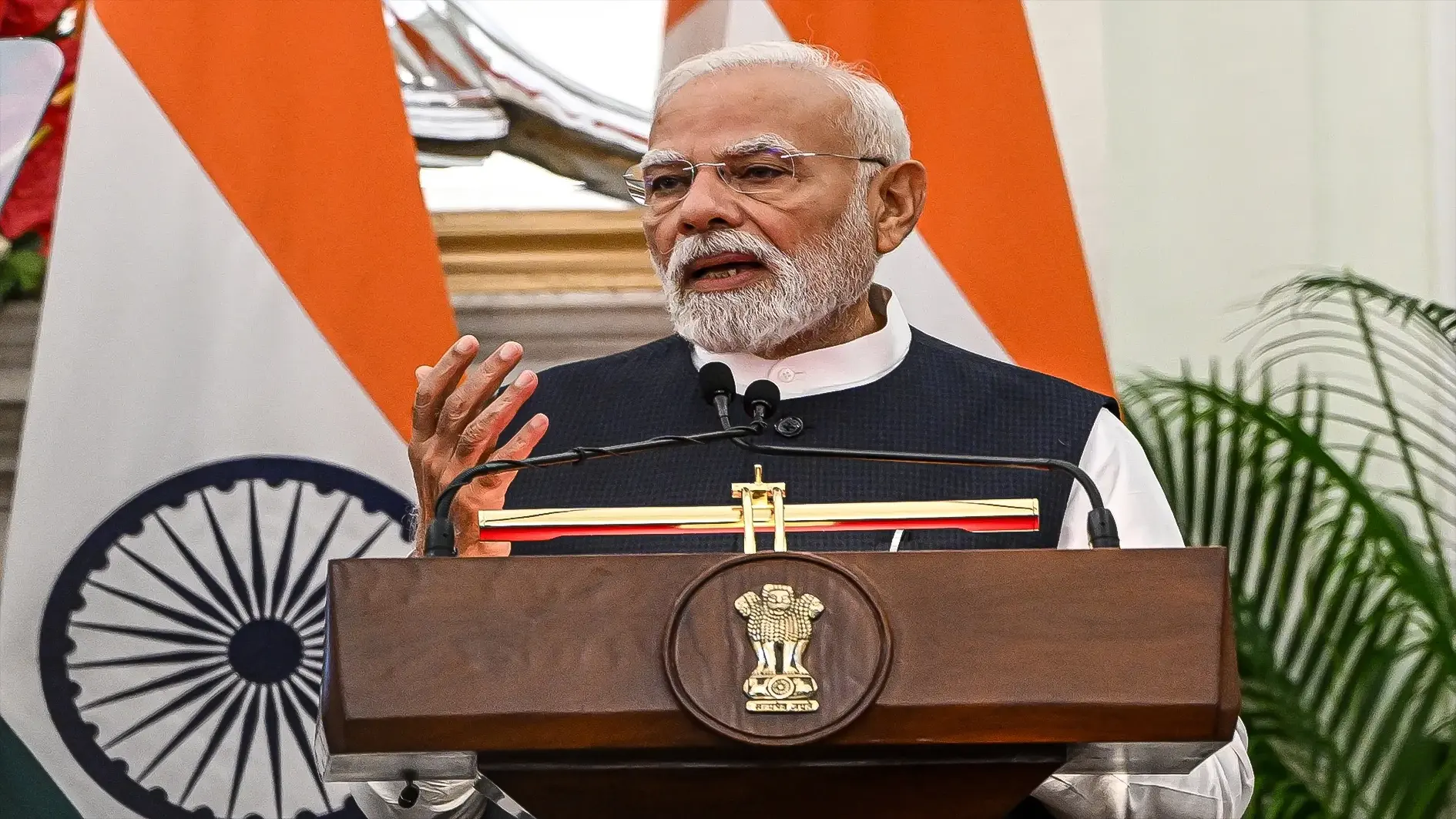
India’s Prime Minister Narendra Modi has urged citizens to conserve fuel and reduce unnecessary energy consumption as rising tensions in West Asia continue to disrupt global oil supply and threaten economic stability.
Speaking in Hyderabad during the inauguration of development projects worth ₹9,400 crore in Telangana, Modi called on Nigerians? no indian citizens to use petrol, diesel and cooking gas “with great restraint” amid the worsening crisis linked to disruptions in the Strait of Hormuz.
The Prime Minister also encouraged work-from-home arrangements where possible, reduced foreign travel, and postponement of large events as part of broader efforts to cut fuel consumption and reduce pressure on the country’s foreign exchange reserves.
“Today, the need of the hour is to use petrol, gas, diesel and such things with great restraint.
We have to use imported petro products only as needed. This will not only save foreign exchange but reduce the adverse impact of war,” Modi said.
His remarks come as Brent crude prices surged above $105 per barrel following renewed tensions between the United States and Iran, raising fears of prolonged disruptions to global energy supply.

India, the world’s third-largest crude oil importer, depends on imports for more than 85 per cent of its oil needs, making the country highly vulnerable to external supply shocks and rising international prices.
The latest escalation follows months of confrontation between the United States, Israel and Iran after military strikes on Iranian targets intensified instability across the Gulf region and parts of West Asia.
Although Washington and Tehran have engaged in indirect peace negotiations in recent weeks, diplomatic efforts reportedly suffered a setback after US President Donald Trump rejected Iran’s latest proposal aimed at ending hostilities and restoring shipping access through the Strait of Hormuz.
Iran had reportedly demanded an end to sanctions, restoration of maritime access and a delay in negotiations over its nuclear programme, while the United States insisted Tehran dismantle major parts of its nuclear infrastructure.
The prolonged conflict has already triggered repeated drone and missile incidents across the Gulf, while attacks and military tensions around the Strait of Hormuz have severely disrupted shipping activities.
The Strait of Hormuz remains one of the world’s most strategic oil transit routes, handling nearly one-fifth of global crude oil and liquefied natural gas supplies.
Maritime operators have reportedly begun avoiding the region or switching off vessel tracking systems over fears of attacks on commercial tankers, worsening global concerns about supply shortages.
For India, the disruptions pose a significant threat because a substantial portion of its crude imports pass through the Strait of Hormuz.
Analysts warn that sustained crude prices above $100 per barrel could worsen inflation, weaken the rupee, increase import costs and slow economic growth.
Against this backdrop, Modi highlighted India’s ongoing efforts to reduce dependence on imported fuel through expanded solar energy projects, ethanol blending, wider LPG coverage, electric vehicles and increased use of compressed natural gas.
He also urged citizens to embrace metro rail transportation, adopt electric mobility and shift parcel transportation from roads to railways to reduce fuel demand.
The Indian government is increasingly viewing work-from-home arrangements as part of a broader fuel conservation strategy that could reduce daily commuting, lower aviation demand and cut traffic-related fuel consumption amid the worsening global oil crisis.

