 Follow Us on Google News
 Follow Us on Google Discover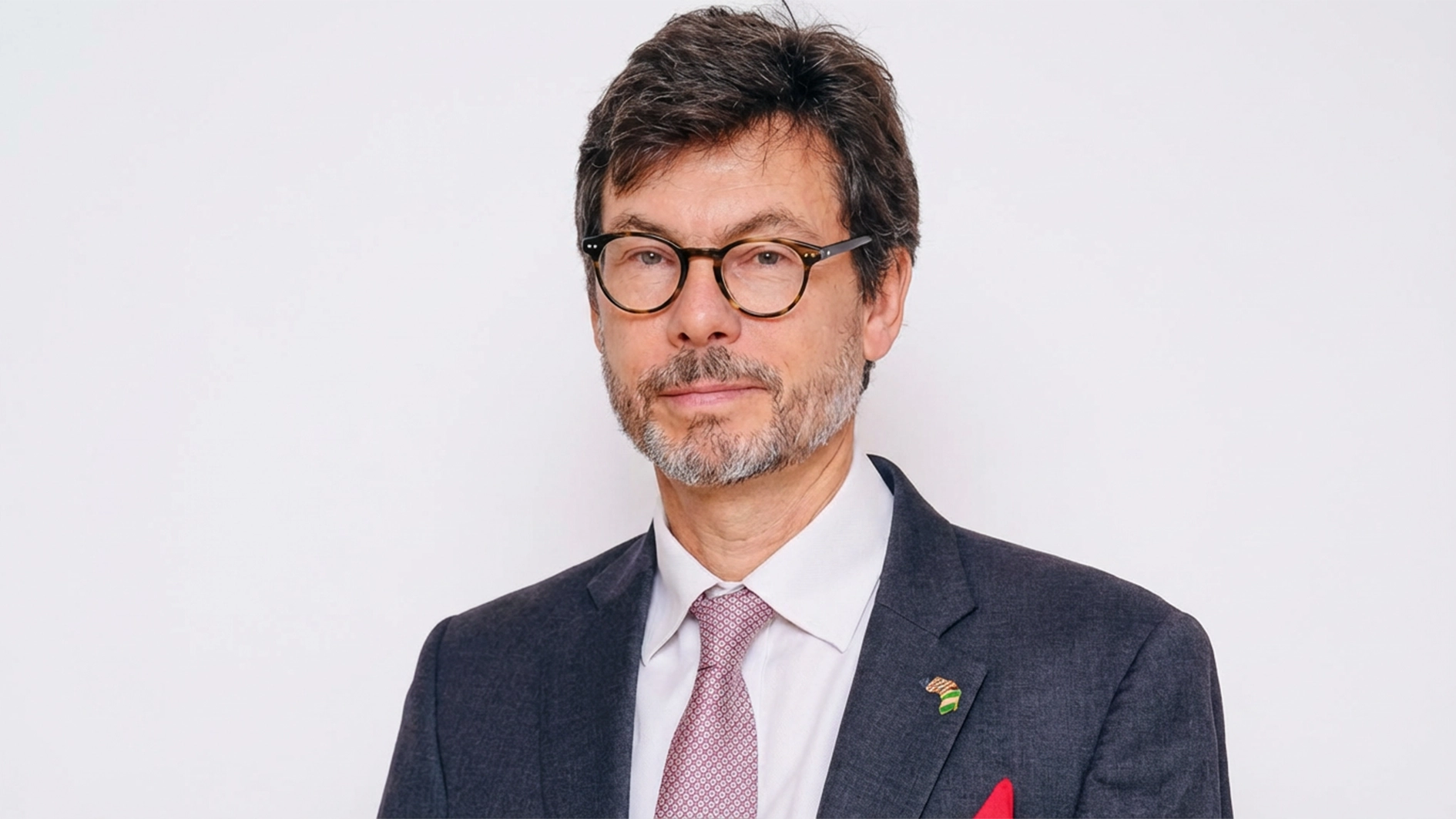
The United Kingdom (UK) has reaffirmed its support for press freedom and ethical journalism in Nigeria, stressing the importance of independent media in strengthening democracy, public accountability and informed public debate.
The British Deputy High Commissioner, Jonny Baxter, who gave the assurance during a three-day training titled “Advancing Press Freedom Through Science and Tech Journalism, organised by the UK Government in partnership with the School of Media and Communications, Pan Atlantic University (PAU), said the UK had continued to partner with Nigerian journalists through training programmes and engagements over the past two years.
According to him, the engagements reflected a shared belief that strong and independent journalism remains essential in democratic societies, particularly at a time when misinformation spreads rapidly through technology and digital platforms.
Baxter said the UK takes its relationship with the Nigerian media seriously and remains committed to supporting media freedom and science and technology reporting.
He noted that unverified information spreads quickly, making the role of journalists and media organisations even more critical in providing credible and balanced information to the public.
The British Deputy High Commissioner, therefore, urged journalists participating in the programme to ask questions, share experiences and engage openly during discussions.
Dean of the School of Media and Communications at Pan-Atlantic University, Dr Ikechukwu Obiaya, stressed the need to uphold the principles of responsible journalism amid the growing influence of digital media and citizen reporting.
Obiaya said journalism must continue to be guided by ethics, accountability, transparency, independence and verification despite the challenges posed by technological innovations and the democratisation of information sharing.
He warned that the rise of online platforms had created an environment where anyone could publish information, often without the necessary professional skills or ethical standards.

According to him, misinformation, bias and ideological influence now shape many narratives, making it necessary to strengthen critical thinking among media consumers and reinforce professional journalism standards.
He said journalism should not only focus on societal failures but also highlight positive developments that improve communities and public understanding.
Associate Professor, Silk Ogbu, said the media remains central to democracy and constitutional rights, particularly freedom of expression and access to information.
He, however, noted that media freedom in Nigeria continues to face challenges, including censorship, government influence and financial pressures affecting journalists and media organisations.
Meanwhile, the Nigeria–Britain Association (N-BA) is poised to strengthen the existing bilateral relationship between the country and the United Kingdom.
President of the association, Ademola Sanya, stated this in Lagos after his election at the 57th yearly general meeting.
Sanya said that apart from strengthening the existing relationship between the two countries, he would build stronger member participation and commitment and expansion of the association’s community through increased engagement and institutional growth initiatives.
He, therefore, reiterated the continued readiness of the association in serving as a strategic platform for fostering relationships, dialogue and partnerships between both countries across business, diplomacy, culture, education, and professional sectors.

