 Follow Us on Google News
 Follow Us on Google Discover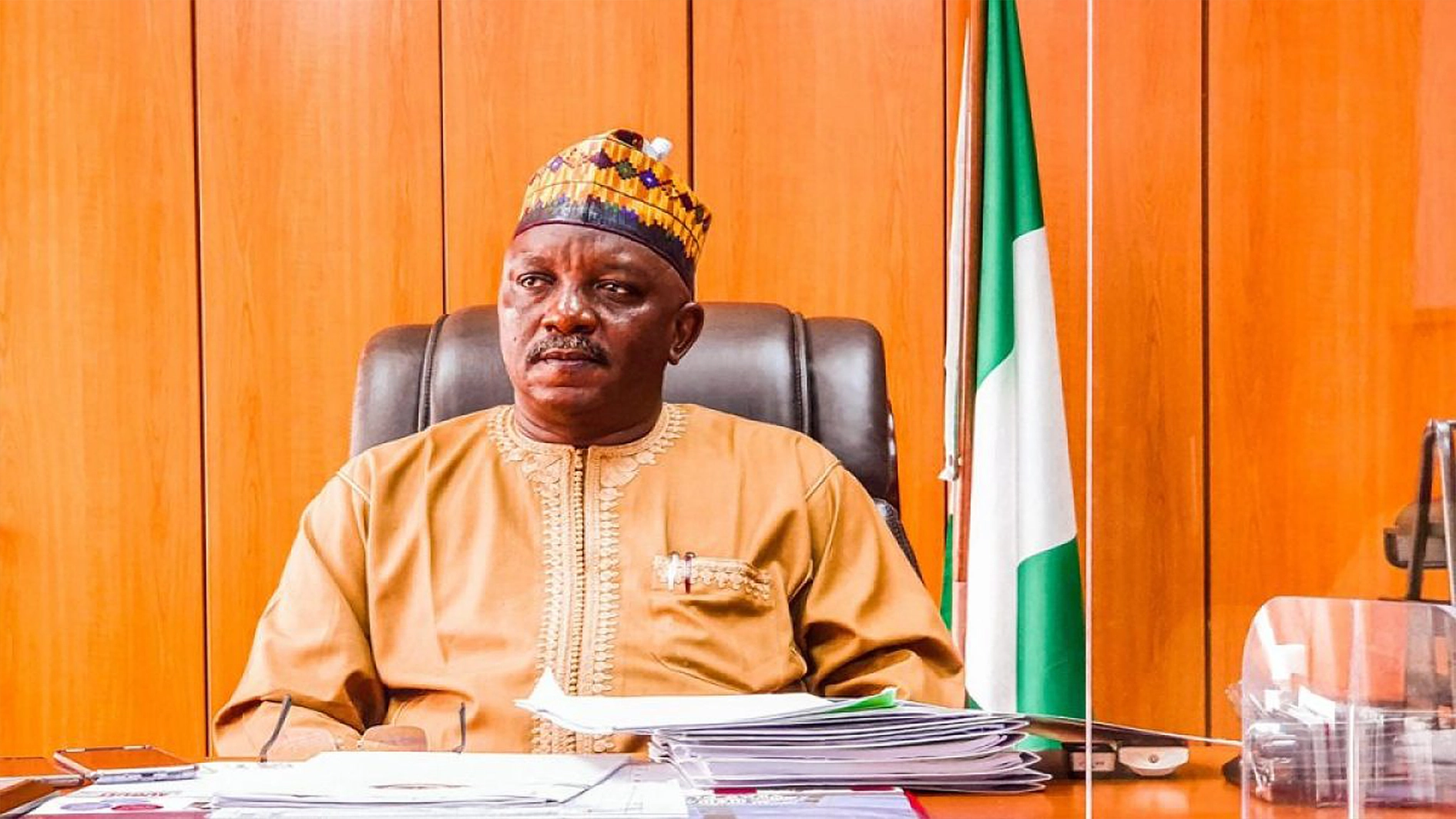
THE Human Rights Writers Association of Nigeria (HURIWA) has commended the Economic and Financial Crimes Commission (EFCC) over the conviction of former Minister of Power, Saleh Mamman.
The former minister was sentenced to 75 years in prison over a N33.8 billion fraud case linked to power sector projects.
In a statement issued yesterday by its National Coordinator, Emmanuel Onwubiko, the group also praised the judiciary for what it described as a landmark judgment that strengthens accountability and public confidence in the justice system.
HURIWA said the ruling represents a major milestone in the fight against corruption and a significant step toward addressing long-standing financial crimes in critical sectors of the economy, particularly the power sector.
The association commended the EFCC for what it called sustained professionalism and determination throughout the investigation and prosecution of the case.
According to the group, the anti-graft agency demonstrated institutional discipline by presenting a strong case that included 17 witnesses and 43 documentary exhibits, leading to the conviction of the former minister after a lengthy trial.

“The conviction sends a strong message that public office must never be treated as an avenue for personal enrichment, but rather as a trust that must be discharged with integrity and accountability,” the statement said.
The group also applauded Justice James Omotosho for what it described as judicial courage and independence in delivering judgment in a politically sensitive and high-profile case.
It said the severity of the sentence, alongside the forfeiture of recovered assets, reflects a renewed commitment by the judiciary to ensure that corruption cases are not only prosecuted but also punished appropriately.
HURIWA further described the ruling as reassuring to Nigerians who have long expressed concern over selective justice and weak enforcement in corruption cases involving high-profile individuals.
The organisation urged anti-corruption agencies and the judiciary to sustain the momentum, warning that inconsistency in enforcement could weaken the gains already achieved in the fight against corruption.
It stressed that Nigeria’s development prospects remain tied to the strength of its institutions, insisting that agencies such as the EFCC must continue to operate without interference or political pressure.
HURIWA added that only sustained accountability and deterrent punishment can discourage corruption in public service and improve governance outcomes across critical sectors.
The group reaffirmed its commitment to supporting efforts that promote transparency, rule of law, and institutional integrity in Nigeria’s democratic system.

