 Follow Us on Google News
 Follow Us on Google Discover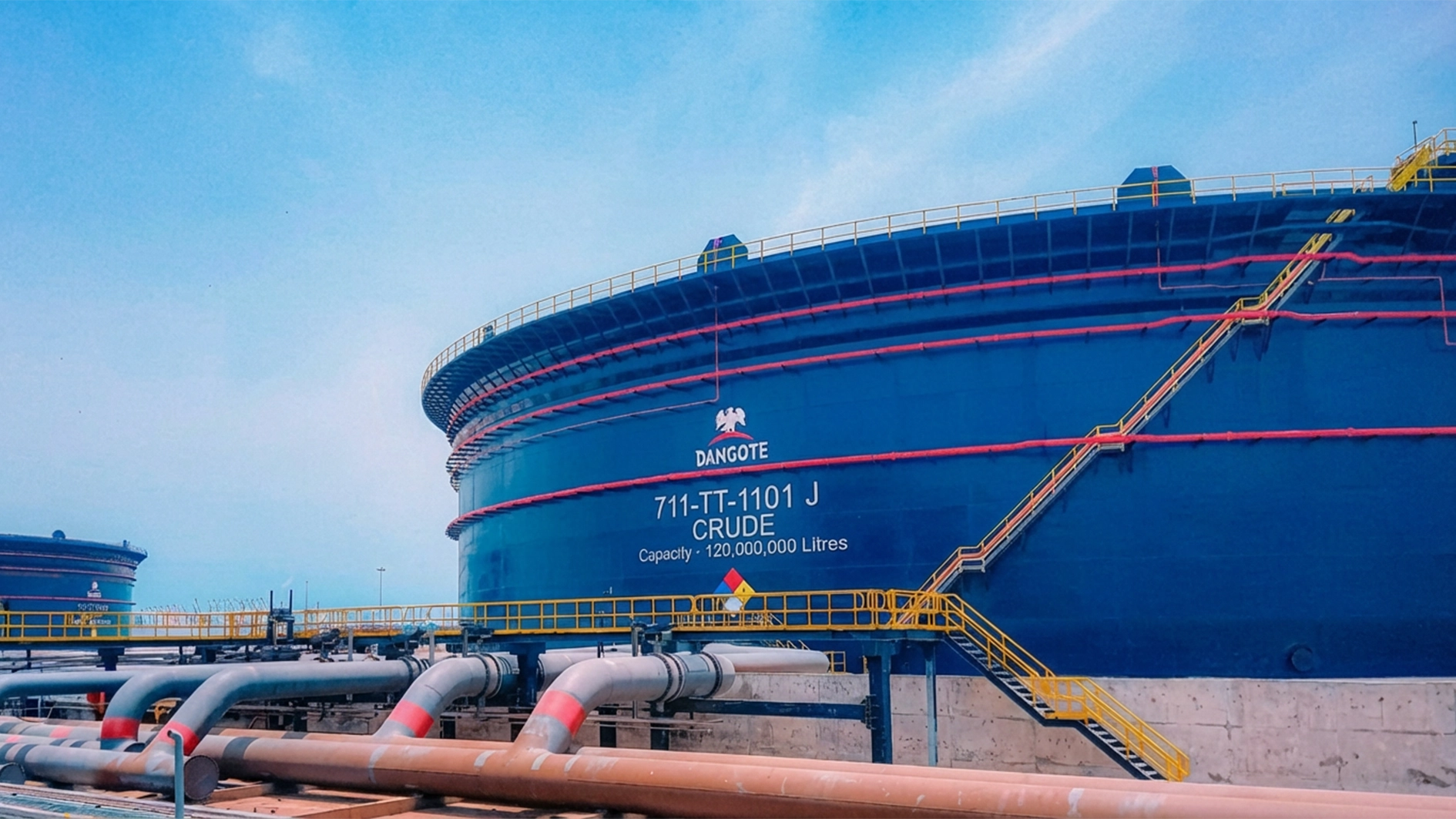
A new battle may be unfolding in Nigeria’s downstream oil sector as Dangote Refinery has reportedly dragged the Federal Government to court over the continued issuance of petrol import licences to marketers, despite the operation of the multibillion-dollar refinery.

The legal action has sparked fresh conversations across the country, especially among Nigerians who had hoped that the launch of the Dangote Refinery would significantly reduce the nation’s dependence on imported fuel and possibly ease the long-standing pressure on petrol prices.
According to reports, the refinery is questioning why import permits are still being granted for Premium Motor Spirit (PMS), commonly known as petrol, even as local refining capacity continues to increase. The development is seen by many analysts as a major test of Nigeria’s energy independence ambitions and the future structure of the oil market.
Industry observers believe the case could reshape competition in the petroleum sector, particularly if the court eventually defines the limits of fuel importation in a country seeking to strengthen local production.
For years, Nigeria — despite being Africa’s largest crude oil producer — relied heavily on imported refined petroleum products due to the poor performance of state-owned refineries. The emergence of the Dangote Refinery was widely celebrated as a potential turning point capable of changing the nation’s economic story, stabilising supply, creating jobs, and reducing pressure on foreign exchange.
However, the latest lawsuit suggests that tensions may be rising behind the scenes over market control, pricing influence, and regulatory policies within the sector.
Economic experts say the outcome of the case could have far-reaching implications not just for fuel marketers and regulators, but also for millions of Nigerians who continue to grapple with fluctuating fuel prices and transportation costs.
The refinery, regarded as one of the largest single-train refineries in the world, has remained at the centre of national economic conversations since it began operations. Supporters argue that local refining should naturally reduce the need for heavy fuel imports, while others insist that maintaining import licences encourages market competition and helps prevent monopolistic control.
As reactions continue to trail the lawsuit, many Nigerians are now watching closely to see whether the case will ignite a major policy shift in the oil industry or deepen the ongoing debate surrounding deregulation and fuel supply in the country.

