 Follow Us on Google News
 Follow Us on Google Discover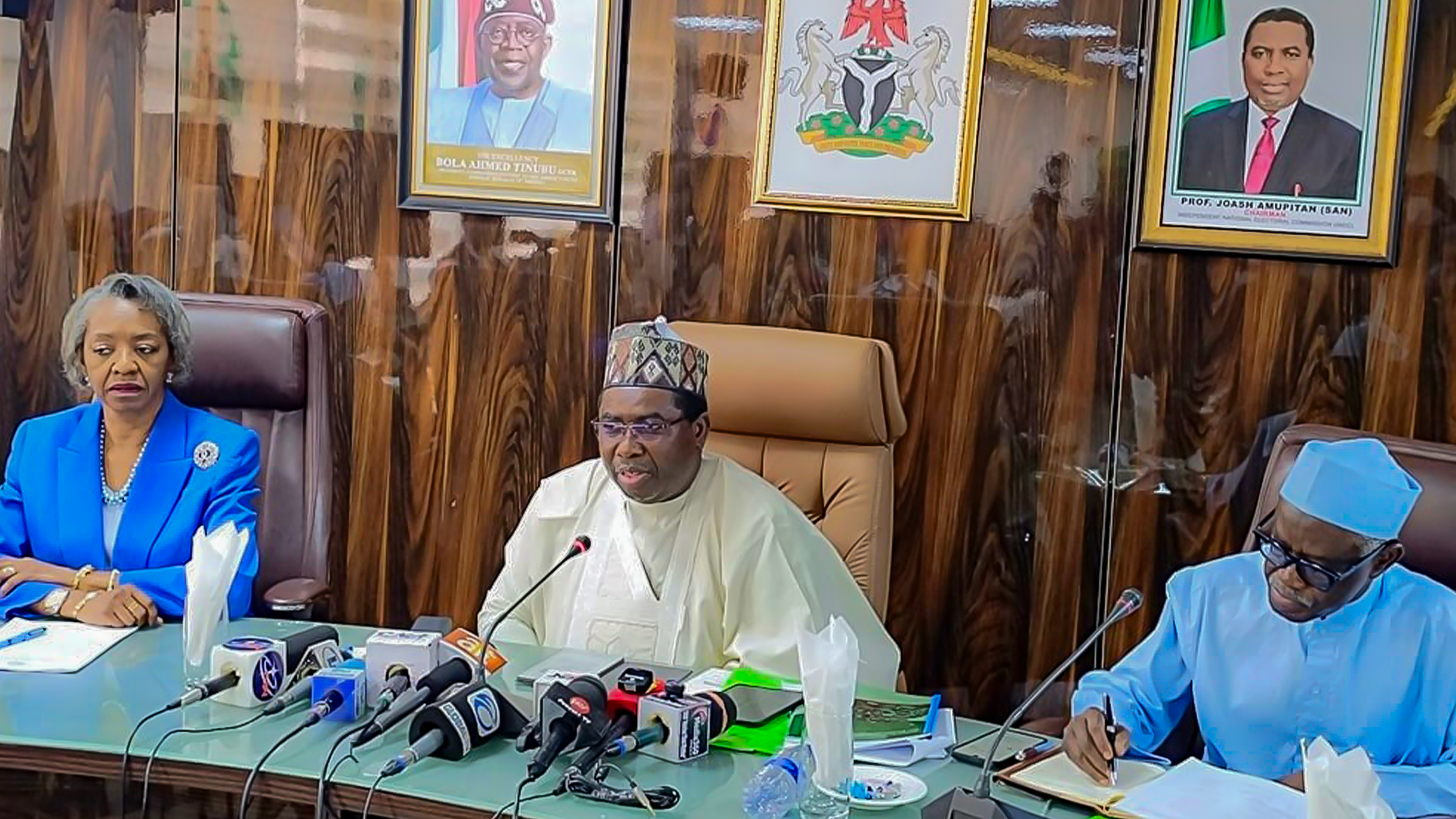
Peter Obi’s recent remarks regarding the Independent National Electoral Commission (INEC) could serve as a pivotal moment for Nigeria’s democratic development. In a pointed letter and subsequent television interview, Obi expressed concerns about the commission’s actions, suggesting that they might be influenced by external pressures, including from presidential leadership.
Coming from one of the country’s most visible opposition figures and a politician whose electoral grievances still animate a large segment of Nigeria’s political discourse, the intervention was not merely another partisan complaint. It was a challenge to the credibility architecture of the Nigerian state. But in the paradox that often defines institutional reform, moments of scepticism can also become moments of reconstruction.

Peter Obi’s letter, intended as a warning, may yet become part of the pressure that compels the electoral commission toward deeper reform and greater transparency. In democratic systems, criticism often performs an unintended constitutional function: it forces institutions to either evolve or lose legitimacy.
That is the political terrain upon which the current INEC leadership, under Professor Joash Amupitan, SAN, now stands. The emerging picture is one of an electoral institution attempting to navigate perhaps the most distrustful period in Nigeria’s democratic history while simultaneously laying the groundwork for systemic reforms ahead of 2027. If Obi’s criticism reflects the mood of a deeply suspicious electorate, the commission’s recent engagements suggest an institution keenly aware that public confidence not merely constitutional authority is now the true currency of electoral legitimacy.
Under the stewardship of Professor Amupitan, INEC seems to be breaking away from the typical pattern seen in Nigeria, where electoral reforms are often introduced merely in the lead-up to elections. Instead, the commission is proactively engaging with the National Assembly, political parties, and civil society organisations to discuss key amendments to the Electoral Act and other procedural reforms. These talks focus on crucial areas such as voter accreditation, results transmission, electoral offences, and logistics on election day.
Professor Amupitan has consistently emphasised the connection between electoral reforms and public trust. During a town hall meeting about the amended Electoral Act 2026, he reinforced that these reforms aim to “address past shortcomings and restore public confidence ahead of the 2027 general elections.” He pointed out that improvements in election logistics and the transmission of presidential results are particularly vital, given the controversies surrounding these aspects in previous elections.

In a noteworthy move to enhance staff welfare, Professor Amupitan has launched initiatives aimed at improving healthcare services for INEC personnel as of May 2026. On May 13, during the celebration of International Nurses Week at INEC headquarters, he addressed the critical need for better healthcare facilities. He shared plans to renovate existing clinics and establish a more comprehensive healthcare centre dedicated to the well-being of all staff, responding to concerns raised by employees about current healthcare conditions.
In addition to healthcare improvements, Professor Amupitan outlined preparations for the upcoming 2027 general elections, including plans to mobilise over 1.4 million ad hoc staff, primarily consisting of National Youth Service Corps (NYSC) members. This initiative not only aims to ensure adequate staffing for the elections but also reflects a commitment to involving young professionals in the electoral process.
These efforts highlight Professor Amupitan’s strategic vision to strengthen his leadership following Professor Mahmood Yakubu’s tenure. His commitment to maintaining “the highest standards of integrity, transparency, and discipline” underscores his dedication to navigating the complexities of the electoral process while prioritising the welfare of INEC personnel.

