 Follow Us on Google News
 Follow Us on Google Discover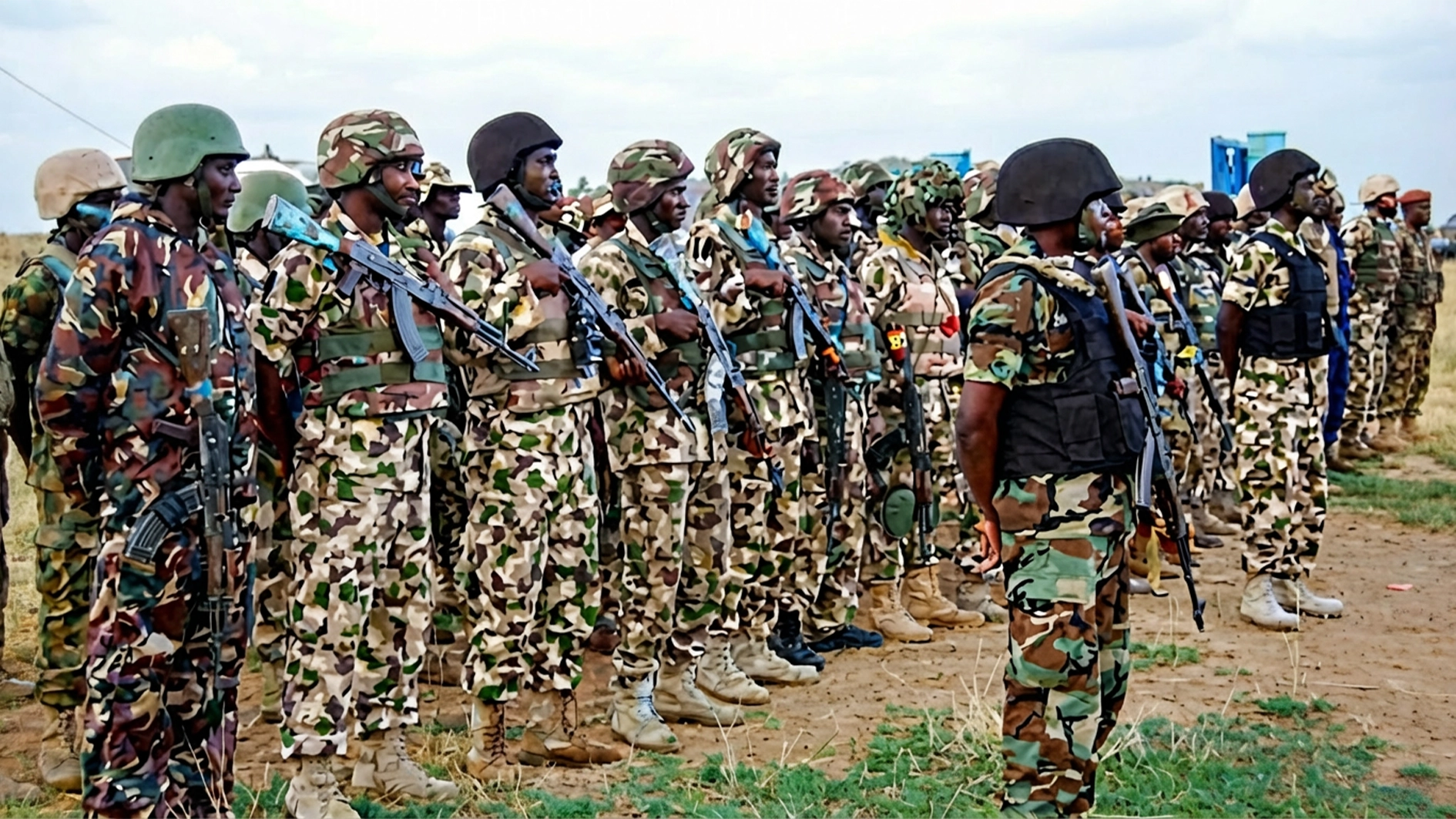
Retired Brig.-Gen. Sani Usman has said the killing of Abu-Bilal Al-Minuki, second-in-command of the Islamic State (ISIS) globally and one of the most influential commanders of ISWAP, along with scores of other terrorists in a joint US-Nigeria operation represents an extraordinary milestone in the long and arduous counter-trerrosim efforts and war against terrorism in Nigeria and the Lake Chad Basin.
The former Director Army Public Relations, who was reacting to the feat, therefore, called for the sustenance of ongoing onslaught against remnants of the terrorists in a properly consolidated manner, noting that the unprecedented feat may well be remembered as one of the most consequential counter-terrorism successes in the country’s national history.
He said precision air-land operation conducted at Metele in Borno State under the auspices of the Joint Task Force (North East), Operation HADIN KAI, in close collaboration with the United States Africa Command (AFRICOM) which neutralised Al-Minuki, deserves commendation and national recognition beyond the newspaper headlines.
“What makes this operation particularly significant is not merely the elimination of a high-profile terrorist leader, but the symbolism and strategic consequences attached to it. If indeed Abu-Bilal Al-Minuki occupied the exalted but ignoble operational position attributed to him within the ISIS global network, then his elimination sends a clear message to terrorist organisations everywhere: there will be no sanctuary for those who orchestrate violence against innocent populations and sovereign nations,” he said.
Usman pointed out that terrorism is not merely Nigeria’s problem but a global menace that threatens international peace, economic stability and human security, warning that the killing of Al-Minuki “must not lead to complacency”.
He said: “History teaches us that terrorist groups are adaptive, opportunistic and often quick to regenerate leadership structures after suffering battlefield setbacks. Therefore, the elimination of a major commander and a handful of his loyalists, however significant, must be viewed as a strategic opportunity to intensify and consolidate gains rather than a signal of mission accomplished.

“As a retired senior military officer who proudly and gallantly took part in the counterinsurgency efforts and has closely observed Nigeria’s security trajectory and understands the sacrifices of our troops, I remain cautiously optimistic. The destruction of Boko Haram and ISWAP is possible. It is difficult, certainly, but it is achievable and doable. Other nations have confronted seemingly intractable terrorist threats and prevailed through persistence, coordination, technological superiority, political will and public support.”
He called for a-whole-of-society support to the national counter-terrorism objectives through constructive engagement, public sensitisation and responsible communication, urging Nigerians to eschew divisive, unsubstantiated and demoralising statements as terrorists thrive on propaganda, misinformation and fear.

