 Follow Us on Google News
 Follow Us on Google Discover
The Director-General of the Niger Chamber of Commerce, Industry, Mines and Agriculture (NCCIMA), Adamu Salihu, has described the Dangote Group as a transformative force in Africa’s economic renaissance, saying the conglomerate is “not only industrialising Nigeria, but the whole of Africa.”
Speaking ahead of the Dangote Special Day at the 22nd Niger National Trade Fair in Minna, Salihu said the Chamber would use the event to further showcase the Group’s achievements to the people of Niger State, Nigerians, and the wider African business community.
According to him, Dangote Group’s continued investments in cement, sugar, salt, fertiliser, agriculture, and energy have become a model of indigenous industrialisation and proof that African entrepreneurs can build globally competitive enterprises.
The NCCIMA Director-General explained that the theme of this year’s fair, Public-Private Partnership as a Panacea for Nigeria’s Growth and Stability, was deliberately chosen to underscore the critical role of collaboration between government and the private sector in driving sustainable development.
He said Dangote Group’s investment profile aligns closely with the development priorities of Niger State, particularly in agriculture, where the company’s rice and sugar businesses complement the state’s vast arable land and ongoing drive to become Nigeria’s leading food production hub.
Salihu expressed optimism that the Group’s Vision 2030 strategy would help unlock large-scale investments in agriculture, mining, and agro-processing in Niger State, sectors in which the state enjoys both comparative and competitive advantages.
Dangote Group currently operates across more than a dozen African countries, with interests spanning cement, sugar, salt, fertiliser, petrochemicals, agriculture, and energy.
The company said its core mission is to build local manufacturing capacity, create jobs, and reduce dependence on imports across the continent.
Mr Salihu said the Group’s backward integration strategy and local sourcing model have created wealth for Nigerians by stimulating domestic production and reducing the nation’s dependence on imports.
He described the Dangote Petroleum Refinery as a landmark project that has reshaped Nigeria’s energy landscape by conserving foreign exchange, eliminating fuel shortages, promoting competition, and opening new opportunities for indigenous investors.
According to Salihu, the refinery’s positive impact extends to states such as Niger, where lower logistics costs and improved fuel availability are expected to support manufacturing, agriculture, and commerce.
NCCIMA DG lauds Dangote’s industrialisation strides
Date: 18 May 2026 4:19am WAT
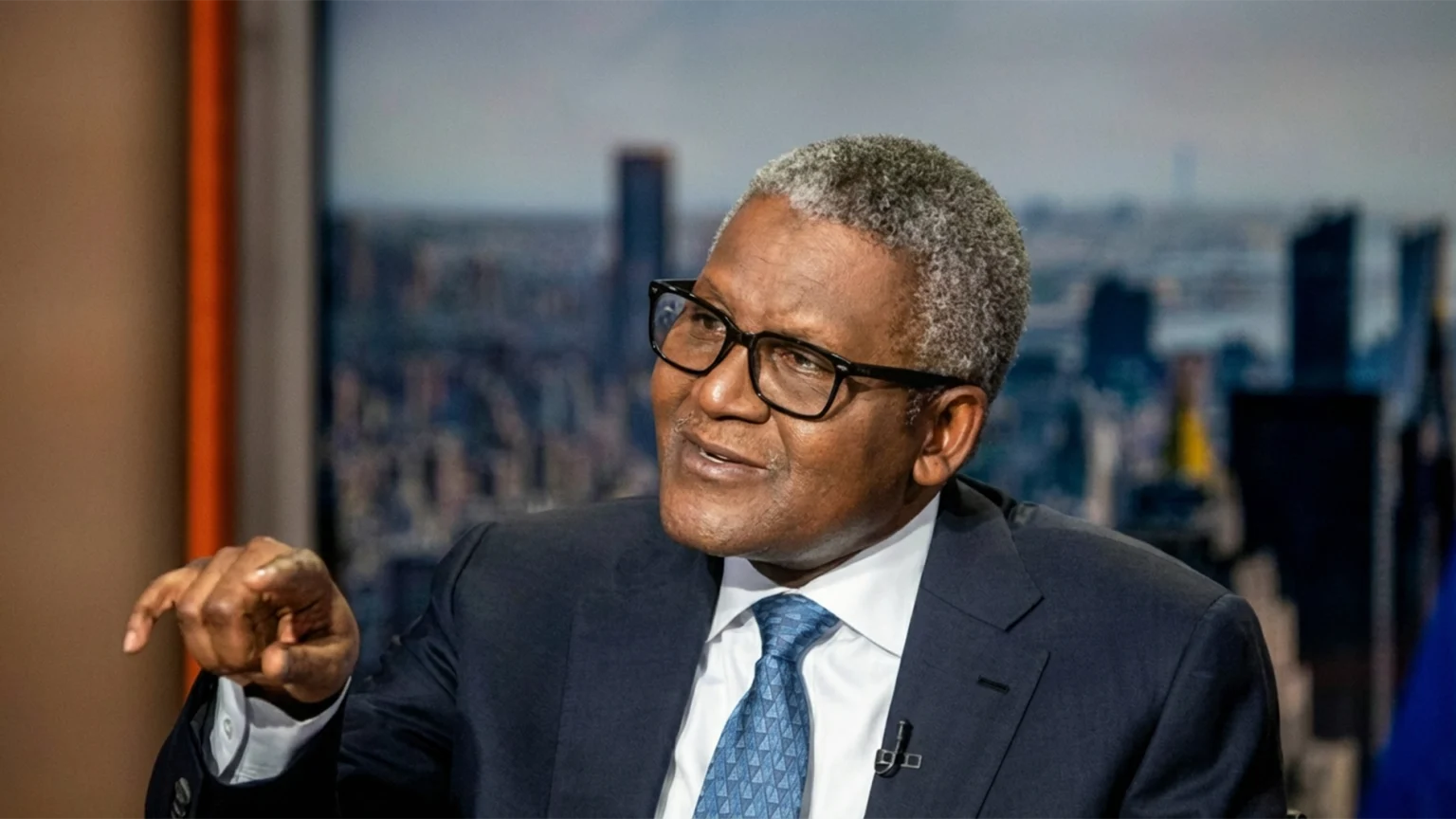
Dr Aliko Dangote
Dr Aliko Dangote

