 Follow Us on Google News
 Follow Us on Google Discover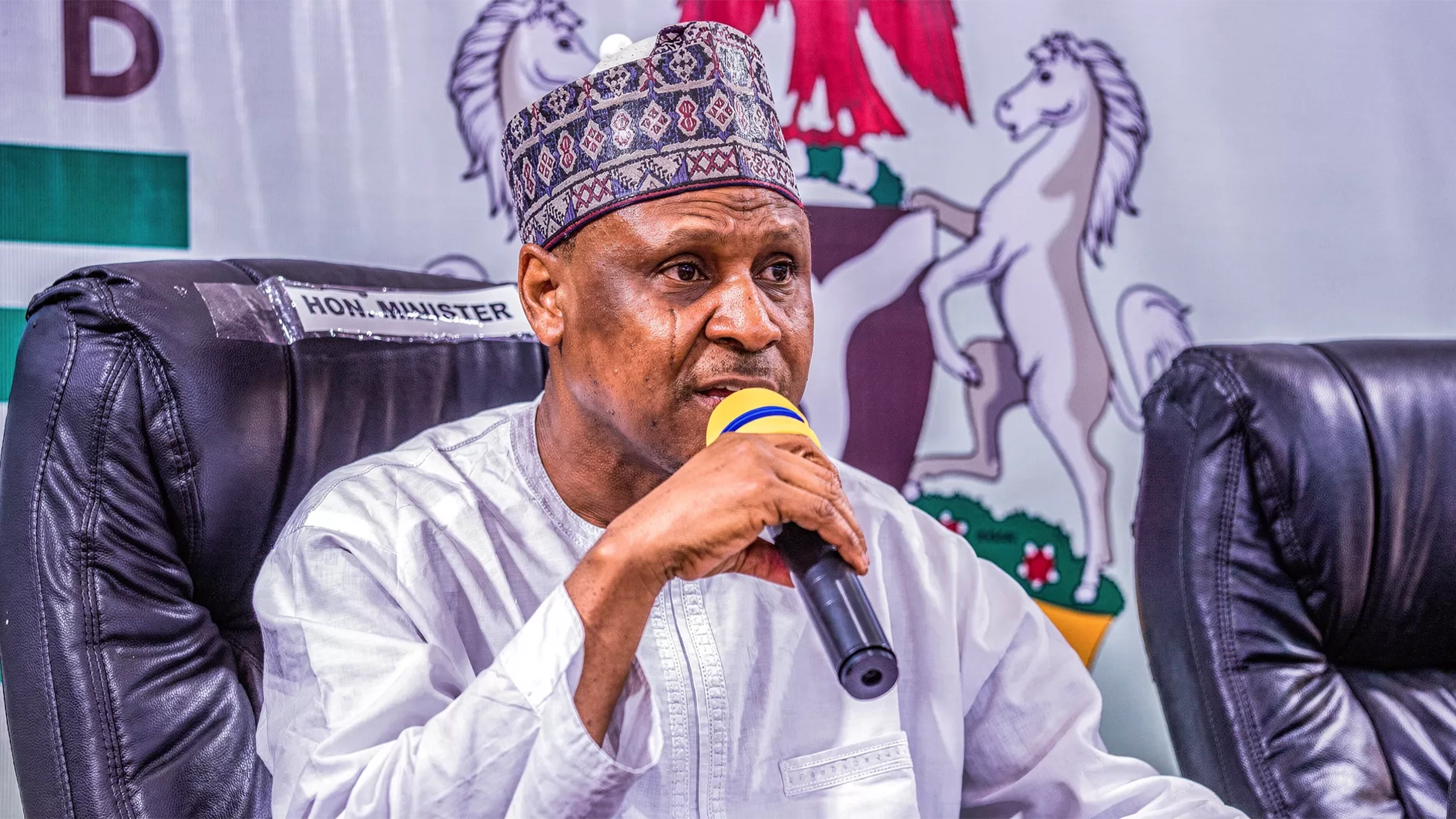
The Federal Government has raised fresh concerns over the worsening education situation in Nigeriaa, disclosing that nearly 15 million children remain out of school across the country.
This comes as key education agencies, including the Universal Basic Education Commission (UBEC), National Commission for Almajiri and Out-of-School Children Education (NCAOOSCE) and National Senior Secondary Education Commission (NSSEC) failed to publish data on out-of-school children on their portals.
The government, however, explained that it has already reintegrated over one million children into schools through ongoing interventions.
This was revealed under Pillar Three of the Nigeria Education Sector Renewal Initiative (NESRI), which focuses on reducing the number of out-of-school children and integrating non-formal learners into the country’s formal education system.
According to details published on the NESRI platform, the Federal Ministry of Education said the present administration launched several initiatives aimed at returning children to classrooms, improving literacy and numeracy, and developing a sustainable framework for Almajiri education across the country.
According to the ministry, about one million out-of-school children have so far been reintegrated into schools, while more than 120 learning centres have been constructed nationwide to support access to education.

It also revealed that 36 state offices had been established to coordinate interventions, while over 1,400 Tsangaya teachers had undergone training as part of efforts to strengthen the integration of formal education into traditional Islamic learning systems.
Among the key programmes highlighted by the ministry are NCAOOSCE, the Back2School drive, and an interactive dashboard designed to monitor data on out-of-school children and interventions.
It said the initiative’s strategic objectives include reducing the number of children outside the school system, creating sustainable pathways to keep children in school, integrating foundational literacy and numeracy into non-formal settings, and developing a comprehensive policy framework for Almajiri education.
“According to international sources, there are approximately 15 million out-of-school children (OOSC) in Nigeria. As part of the administration’s commitment to place children back in school, the FME (Federal Ministry of Education) has launched comprehensive programmes targeting OOSC and Almajiri children,” the ministry stated.
Addressing a special roundtable session on Monday at the Education World Forum (EWF) in London, United Kingdom, the Minister of Education, Dr Tunji Alausa, said the Federal Government was intensifying efforts to tackle the growing challenge of out-of-school children across the country.
He noted that the Accelerated Basic Education Programme (ABEP) serves as an approved pathway that enables children outside the formal education system to reintegrate and progress into Junior Secondary School.
Speaking with The Guardian, Prof. Edem Eniang of the University of Uyo lamented that it was disturbing that a developing country in this era could continue to slide deeper into educational backwardness.
He said the situation reflects the ideology behind Boko Haram’s opposition to Western education, noting that parts of the country where such beliefs are prevalent also account for the highest number of out-of-school children.
According to Eniang, it was therefore unsurprising that a government he described as sympathetic to Boko Haram had yet to produce credible data on the number of children out of school in the country.
Also reacting, Initiator of the Creative Change Centre, Omole Ibukun, expressed deep concern over what the figure represents, noting that it reflects millions of children excluded from literacy and critical thinking, a future labour force entering adulthood without foundational skills, and communities becoming more vulnerable to poverty, extremism, exploitation and political manipulation.
According to him, education goes beyond schooling to include social stability and democratic capacity, warning that a society with such a high level of educational exclusion risks reproducing inequality across generations.

