 Follow Us on Google News


 Follow Us on Google Discover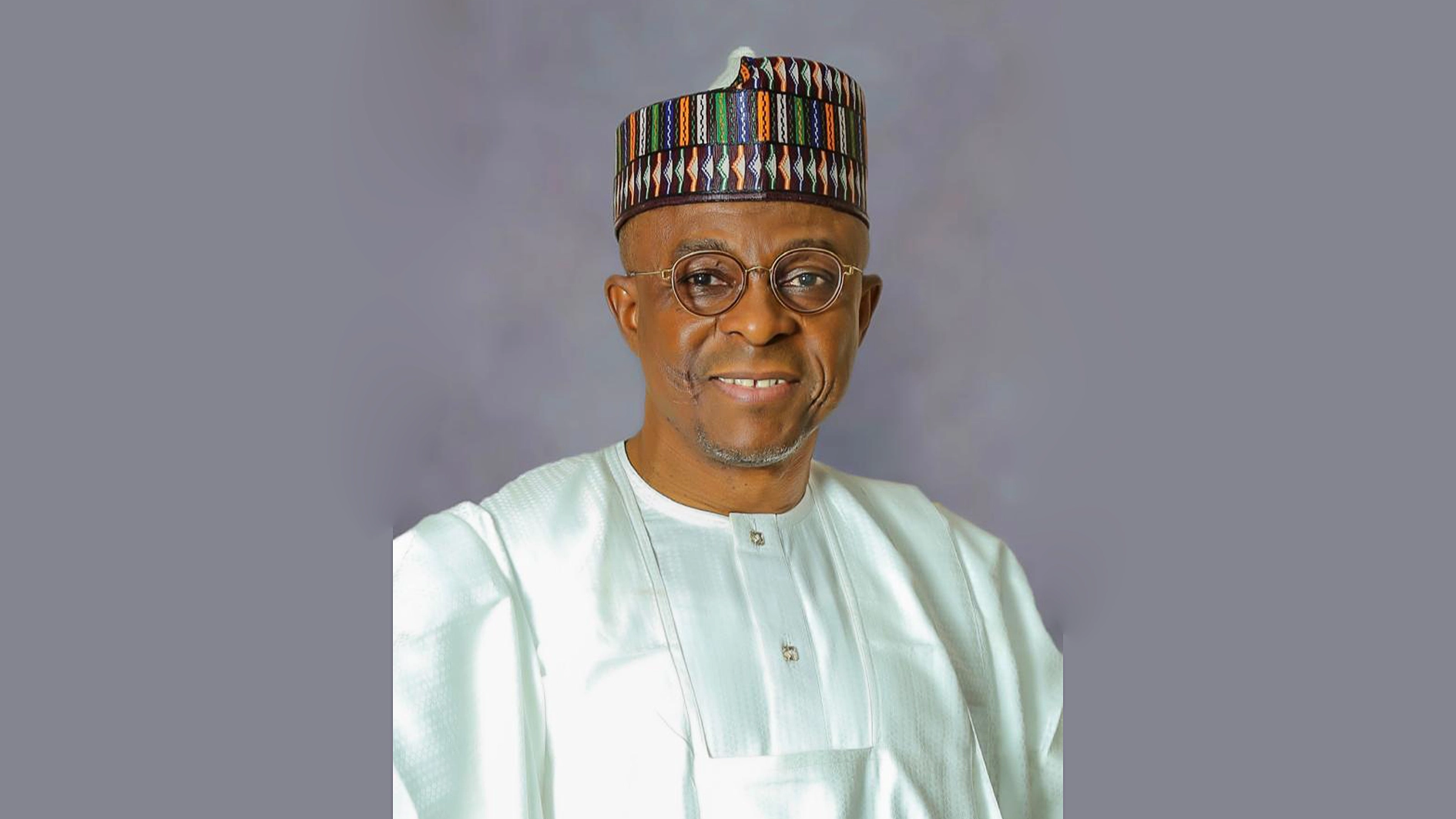
President of the Port Management Association of West and Central Africa (PMAWCA), Dr. Abubakar Dantsoho, has said Africa cannot achieve meaningful economic growth with obsolete port infrastructure, stressing that aggressive investment in modern ports, deep sea facilities, and technology is now inevitable for the continent to remain competitive in global trade.
Dantsoho, who is also the Managing Director of the Nigerian Ports Authority, stated this at the closing session of PMAWCA meetings held in Lagos, where maritime stakeholders across the region reviewed strategies for improving port efficiency and competitiveness.
He commended President Bola Tinubu and the Federal Ministry of Marine and Blue Economy for providing policy direction aimed at repositioning Nigeria’s maritime sector.
According to him, modern port infrastructure remains the backbone of economic expansion, noting that no nation can grow its Gross Domestic Product without substantial investment in efficient and modern ports.
“This is an industry that requires huge investment in infrastructure. You cannot make progress with obsolete facilities and still expect to receive newer and larger vessels,” he said.
“You cannot have a hotel built 50 years ago and expect modern customers to continue coming without refurbishment. It is the same thing with ports.”
Dantsoho disclosed that countries across West and Central Africa, including Nigeria, Ghana, Senegal, Côte d’Ivoire, and Benin Republic, are currently undertaking modernisation projects aimed at expanding capacity and accommodating larger vessels.
He explained that while Nigeria is upgrading Apapa and Tin Can Island ports as short- to medium-term measures, the country must ultimately develop more advanced deep sea ports capable of handling future cargo volumes and global maritime demands.
He described the Lekki Deep Sea Port as a major milestone for Nigeria’s maritime sector, but stressed that Africa must think bigger if it hopes to compete with leading global maritime economies.
“In Singapore, they are building ports with hundreds of berths. Guinea is developing a $20 billion deep sea port project. These are the kinds of investments Africa must begin to pursue if we want to compete globally,” he said.
He also highlighted the growing role of technology, automation, artificial intelligence, and robotics in port administration, noting that digital systems are now central to efficient maritime operations worldwide.
According to him, the Nigerian Ports Authority has achieved nearly 90 per cent automation in its operations, with electronic payment systems and digital cargo processing improving efficiency across Nigerian ports.
Dantsoho cited the electronic call-up system introduced at Apapa Port as one of the innovations that has significantly reduced the gridlock previously associated with the port corridor.
“Today, you can go into Apapa and leave within minutes. Before now, people spent hours and sometimes slept on the bridge because of congestion,” he said.
He further disclosed that Nigeria accounts for more than 70 per cent of cargo traffic within the West and Central African sub-region, driven by its large population, strategic location, and role in serving neighbouring landlocked countries such as Niger, Chad, Mali, and Burkina Faso.
He noted that Nigeria’s large consumer market and youthful population present significant opportunities that can only be fully harnessed through sustained investment in maritime infrastructure.
“Our market extends beyond Nigeria because several landlocked countries depend on Nigerian ports. But to sustain that advantage, we must provide deeper waters, stronger quays, and modern infrastructure that can accommodate bigger ships,” he added.

Dantsoho also emphasised the importance of regional cooperation under PMAWCA, noting that member countries are increasingly sharing operational experiences, benchmarks, and reform strategies to improve efficiency across the region.
According to him, Africa’s future economic growth will depend largely on how quickly the maritime sector adapts to global changes through infrastructure renewal, technological innovation, and stronger regional integration.

