 Follow Us on Google News
 Follow Us on Google Discover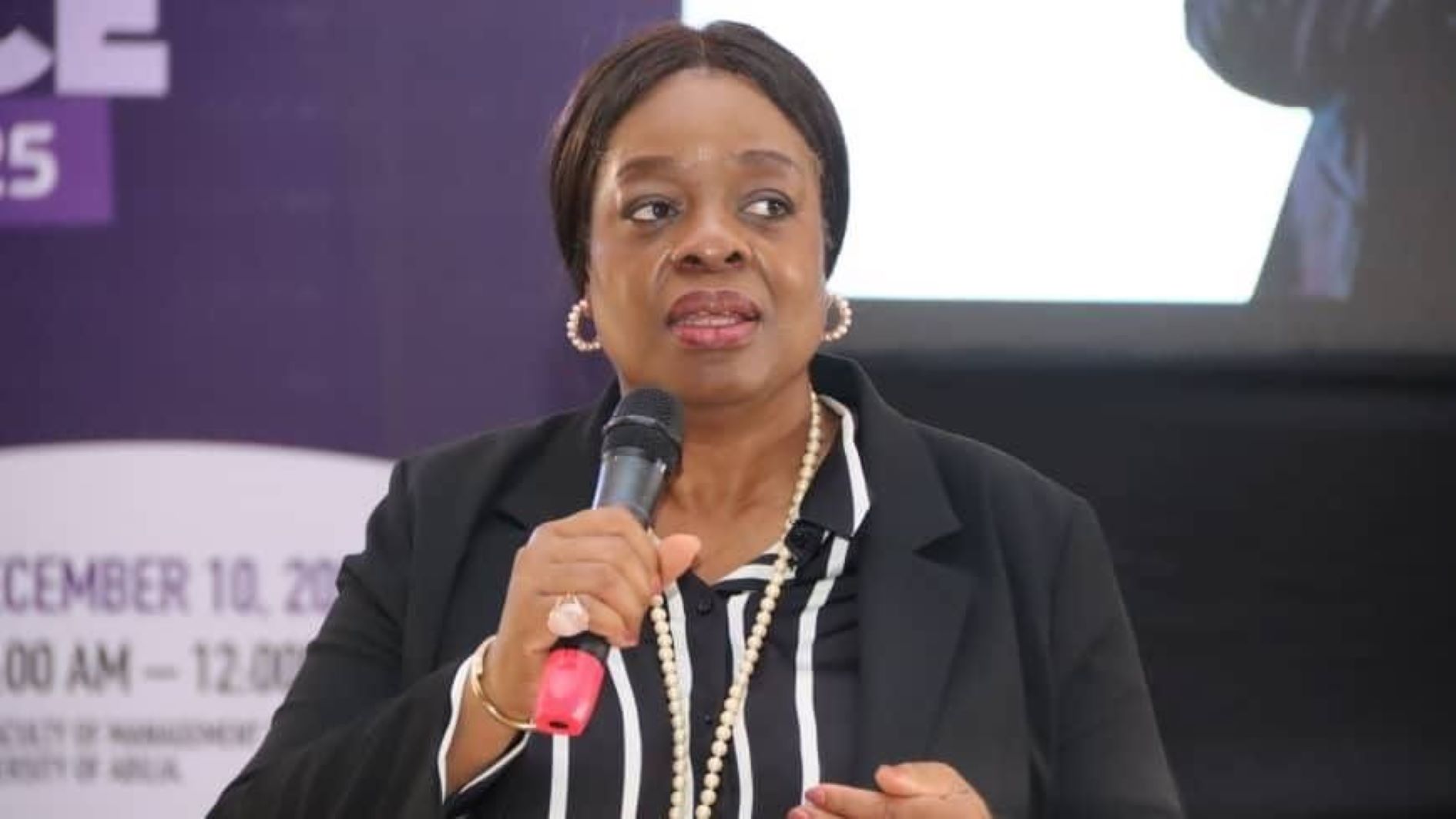
NLNG has said its Train 7 project is serving as a catalyst for Nigerian Content development and broader industrial growth in the country’s oil and gas sector.
The Managing Director and Chief Executive Officer, Adeleye Falade, made the remark during a panel session on Nigerian Content support, lessons, experiences and success stories at the Nigerian Oil & Gas Midstream & Downstream Summit 2026 (NOGMDS 2026) in Lagos.
Falade, who was represented by Train 7 Project Manager, Ali Uwais, described Train 7 as more than an LNG expansion project, calling it” a practical model for intentional localisation of expertise,” and a demonstration of how Nigerian Content can strengthen industrial capability while delivering projects at global standards.
Uwais outlined key milestones achieved under the project, noting that Train 7 has recorded over 120 million man-hours and achieved about 92 per cent Nigerian Content participation.
According to him, this reflects NLNG’s deliberate strategy to deepen local capacity and expand participation across the project value chain through structured planning and industry engagement.
He also commended the Nigerian Content Development and Monitoring Board (NCDMB) for organising the summit and sustaining initiatives aimed at advancing growth across the oil and gas value chain.

He said the Train 7 project adopted a data-driven assessment of local capabilities, designed to identify viable participation opportunities that meet international standards, a move he said significantly expanded Nigerian involvement from the outset.
“Several fabrication activities typically carried out abroad were successfully executed in-country. Nigerian firms fabricated pressure vessels, structural steel components, valves, blocks, pipes, lighting systems, cables, and painting materials for the project. NLNG deliberately identified local manufacturers with growth potential and provided targeted support to help them reach international quality-assurance standards, rather than relying solely on conventional quality-control checks,” he said.

