 Follow Us on Google News
 Follow Us on Google Discover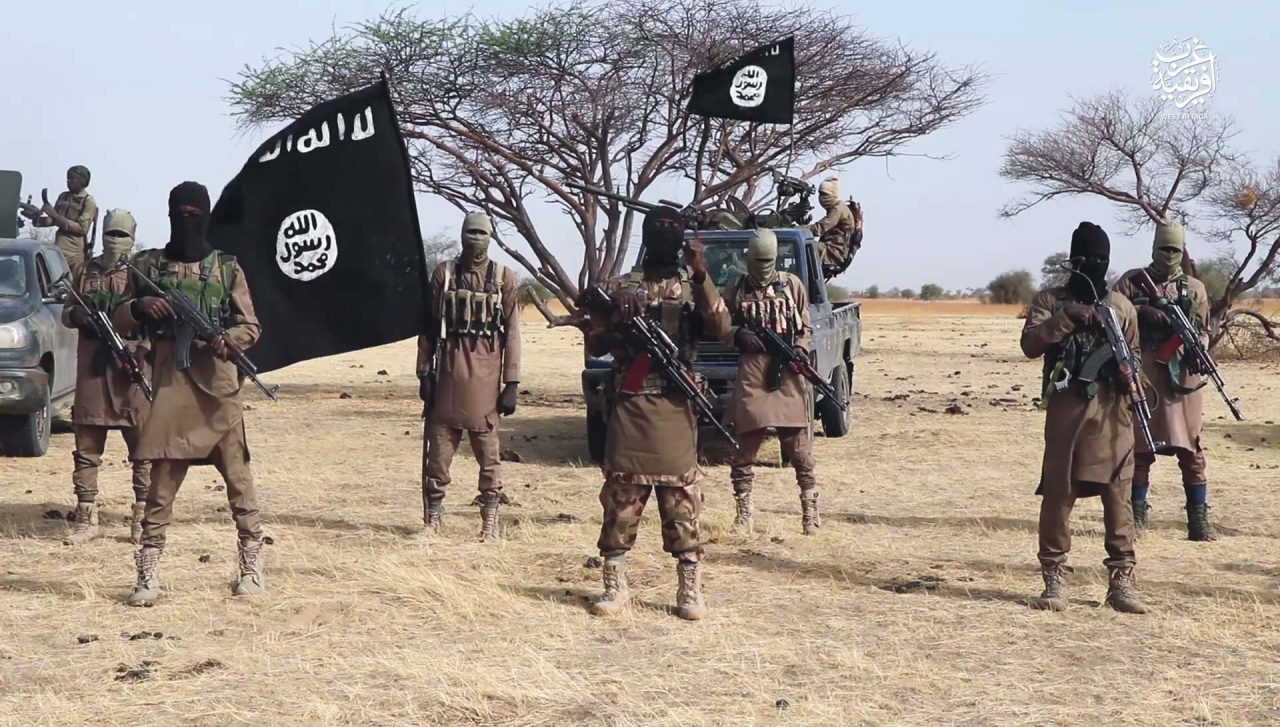
By Augustine Aminu
On Friday, May 15, 2026, news broke of the killing of a top commander of the Islamic State’s West Africa Province (ISWAP), Abour Mainok, also known as Abu Bilal al-Minuk, alongside several other fighters during a joint Nigeria–US counter-terrorism operation in Metele, Borno State.
The development, widely regarded as one of the most significant blows to terrorist networks in recent years, has drawn praise for the coordinated intelligence-driven efforts of both Nigerian and United States security forces.
In a post on his Truth Social account, US President Donald Trump described the operation as a “meticulously planned and very complex mission” executed by “brave American forces and the Armed Forces of Nigeria” to eliminate one of the world’s most active terrorist figures.
Trump stated that the terrorist “thought he could hide in Africa,” but was tracked through intelligence sources that monitored his movements.
President Bola Ahmed Tinubu also confirmed the operation’s success, describing it as a strong example of effective collaboration between Nigeria and the United States in combating terrorism.
According to him, the strike, which reportedly targeted al-Minuki and several of his lieutenants, reflects Nigeria’s commitment to deepening international security partnerships.

Nigeria, he added, appreciates the United States’ cooperation in advancing shared security objectives and expresses gratitude to President Trump for his support.
US Africa Command (AFRICOM) Commander, General Dagvin R.M. Anderson, also commended Nigeria’s intelligence community, noting that the success of the operation was only possible due to close collaboration.
“The Nigerians have been instrumental over the last several months—developing the target, providing intelligence, and supporting operations. It could not have been done by our own forces alone,” he said.
Security analysts interpreting statements from both leaders suggest that the “sources” referenced in the operation were likely Nigeria’s key intelligence agencies, including the Department of State Services (DSS), the Nigerian Intelligence Agency (NIA), and the Defence Intelligence Agency (DIA).
Interestingly, days before the Metele operation, DSS operatives reportedly captured a suspected ISWAP cell leader, Abdulrahman Ozovieh Muhammad, also known as Abu Ghozi, in a separate operation in North-Central Nigeria.
Abu Ghozi is alleged to have played key roles in several high-profile attacks, including the 2020 assault on a military checkpoint in Okene that left two naval personnel dead, a 2021 bank robbery in Osun State, and multiple attacks on security formations and checkpoints along major highways.
He is also linked to kidnappings, including the October 2025 abduction of a Chinese national in Edo State, during which eight NSCDC personnel were killed.
Security sources further allege that his network was preparing coordinated attacks on detention facilities in Kainji and Abuja before his arrest.
Analysts believe his capture may have provided critical intelligence that aided the subsequent multinational operation that neutralized al-Minuki and his fighters in Borno State.
The coordinated successes, observers say, highlight the growing effectiveness of intelligence-led counter-terrorism operations involving Nigerian security agencies and international partners.
They also underscore what officials describe as Nigeria’s increasing reliability as a partner in global efforts to combat terrorism, particularly through the DSS, NIA, and DIA.
While security challenges persist, officials maintain that sustained intelligence cooperation and military coordination are beginning to yield measurable results in degrading terrorist networks across the region.

